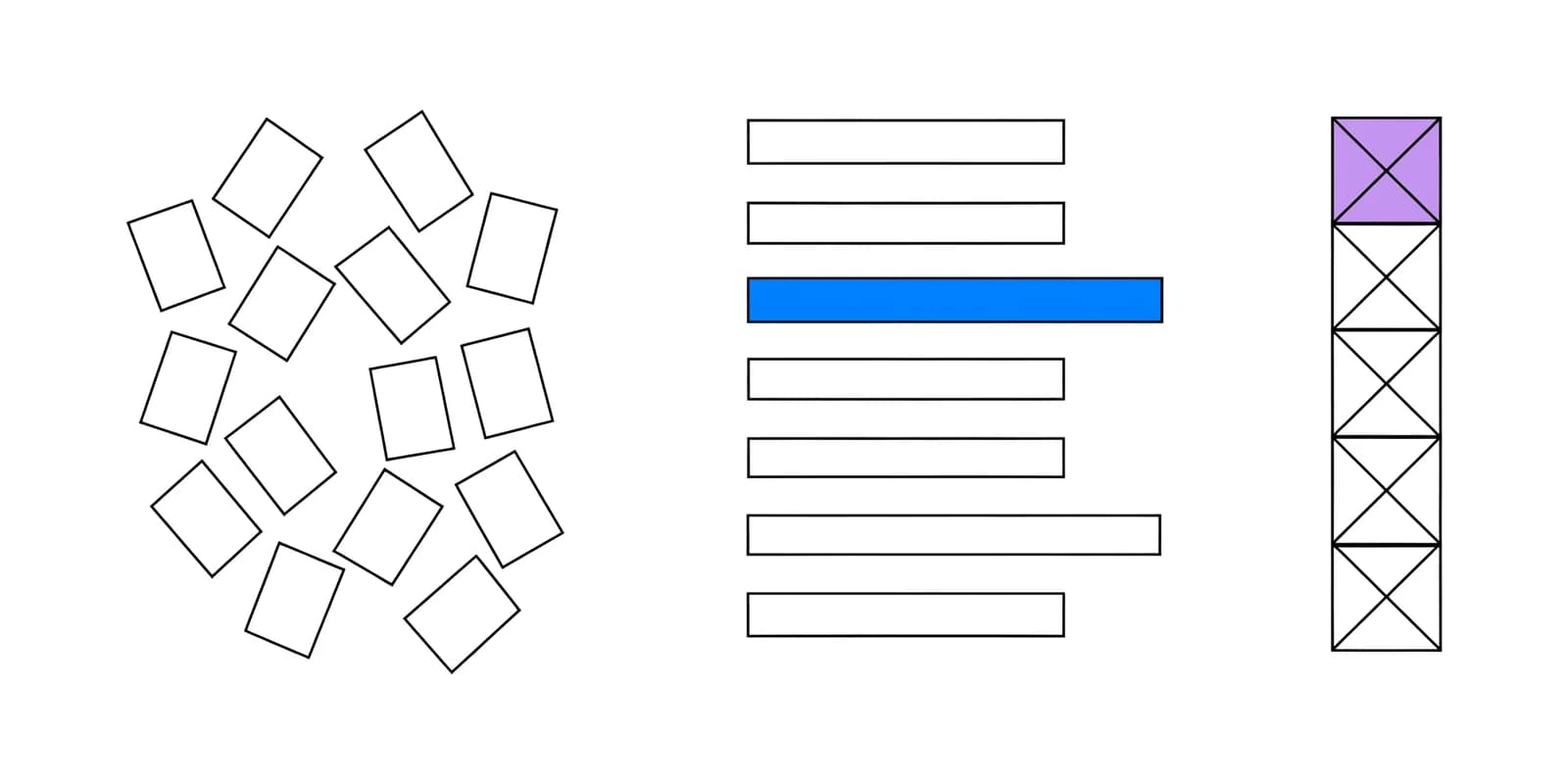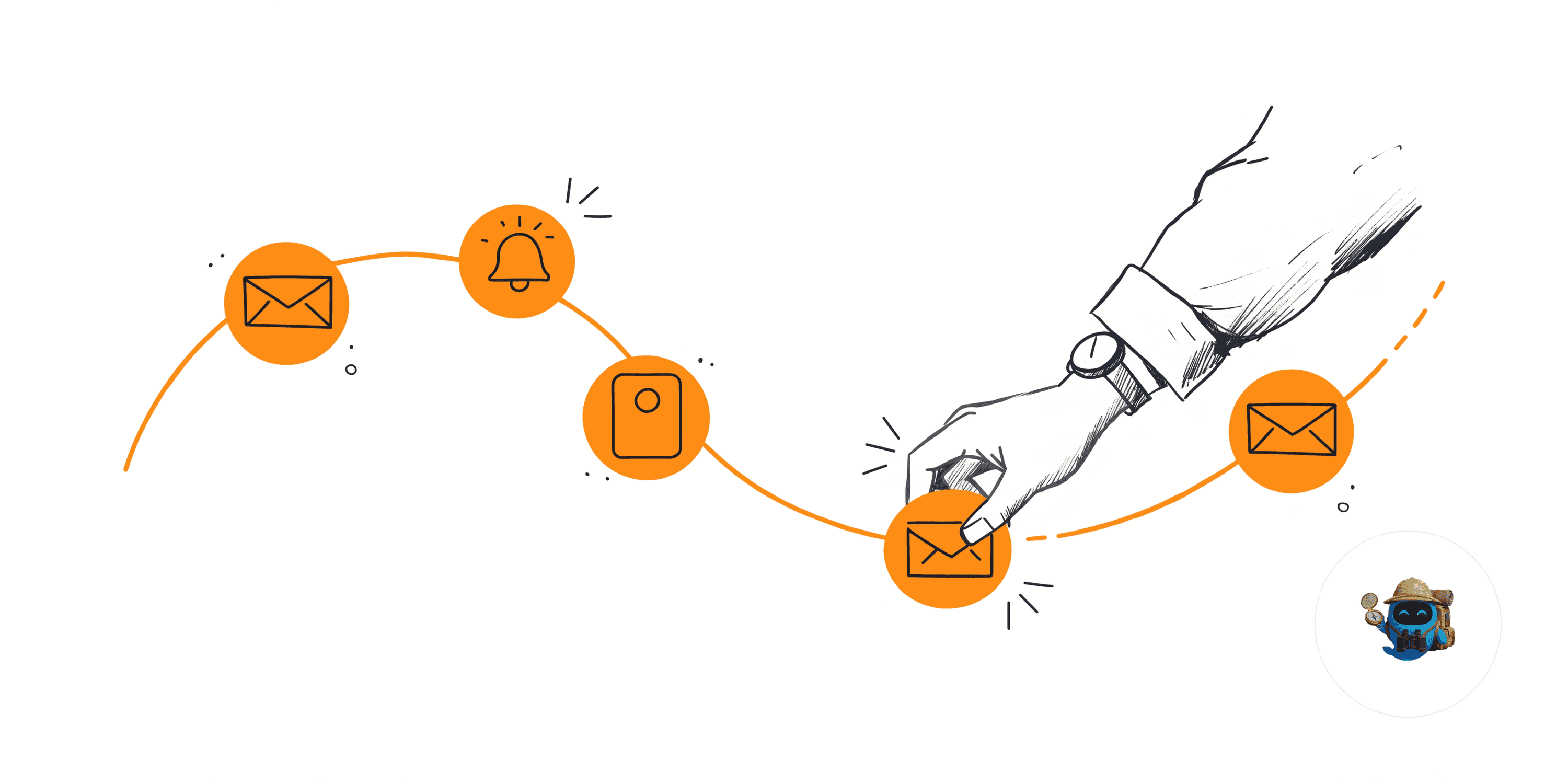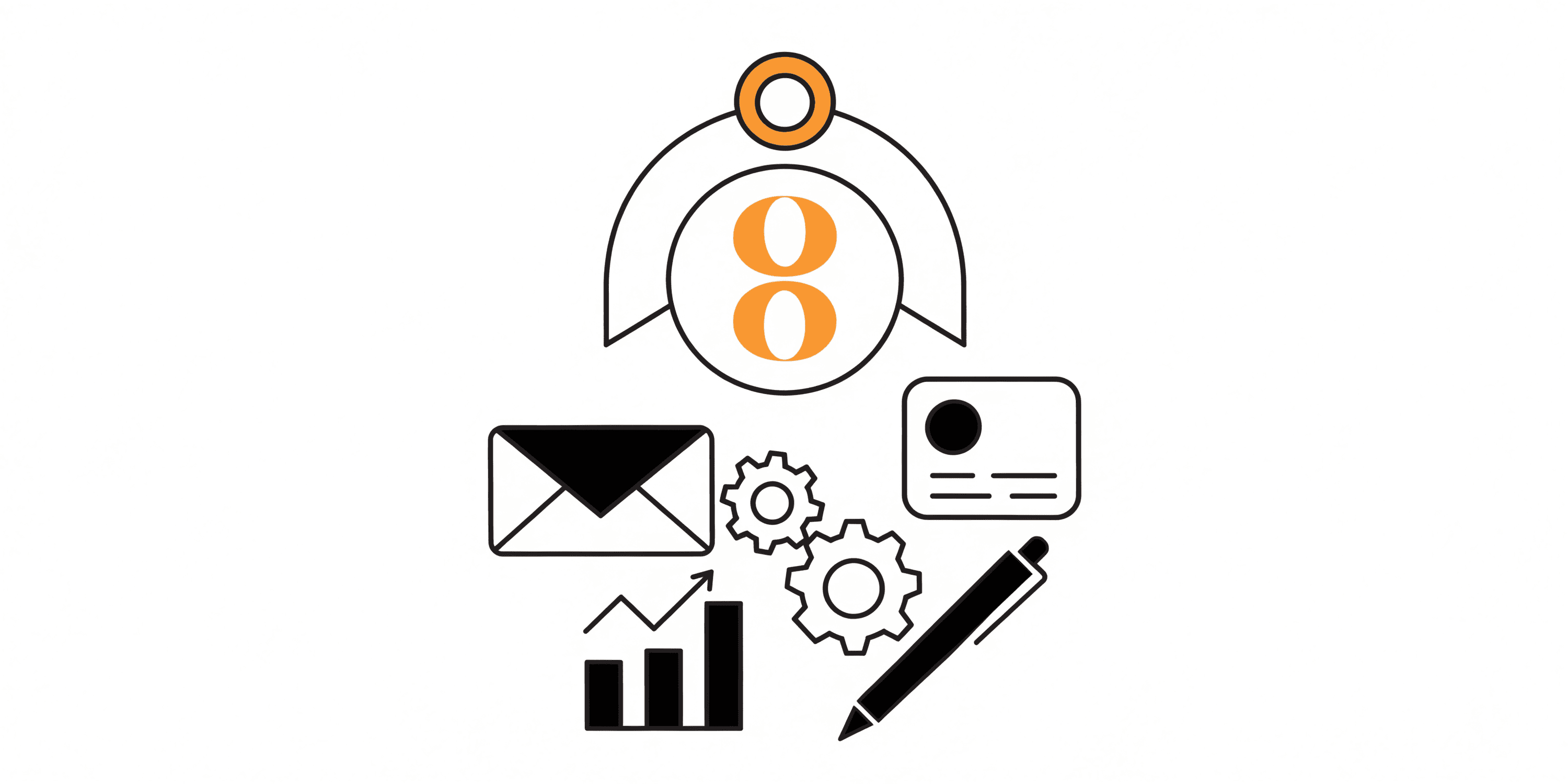

- Agentic AI in marketing is not automation with extra steps. It takes a goal instead of a template and decides channel, timing, and sequencing itself.
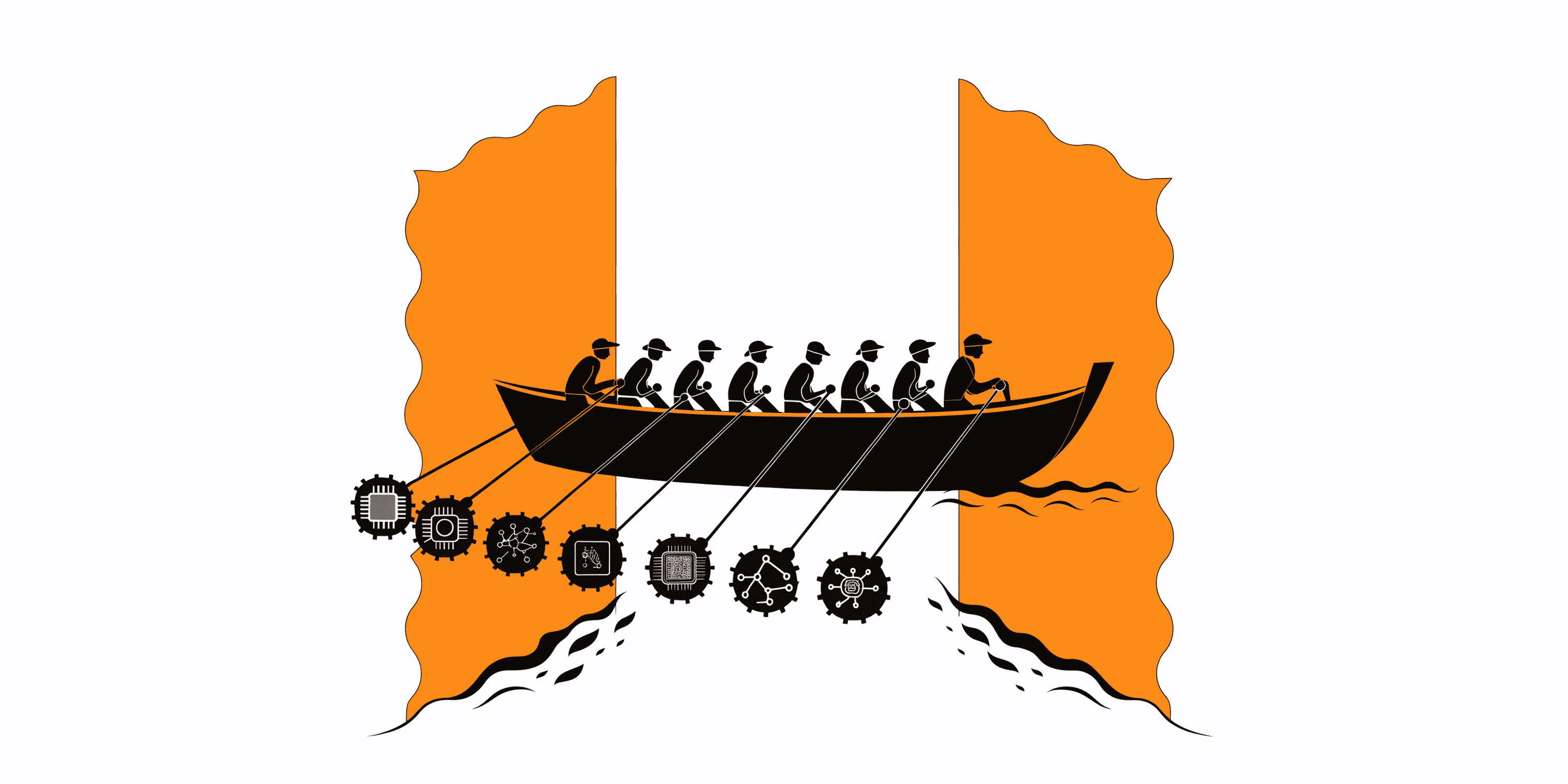
- Fully autonomous agents underperform hybrid human-on-the-loop setups by a measured 68.7 percent, so the useful shape keeps a human at the strategy layer.
- Ship the trigger to feedback loop. Put the human on strategy, not per-message approvals.
Agentic AI in marketing gets used interchangeably with "marketing automation" constantly, and the two are not the same thing. This is the distinction, why it matters for how you evaluate a tool, and the honest tradeoff nobody selling an agentic platform wants to lead with.
Automation vs. agentic: the actual difference
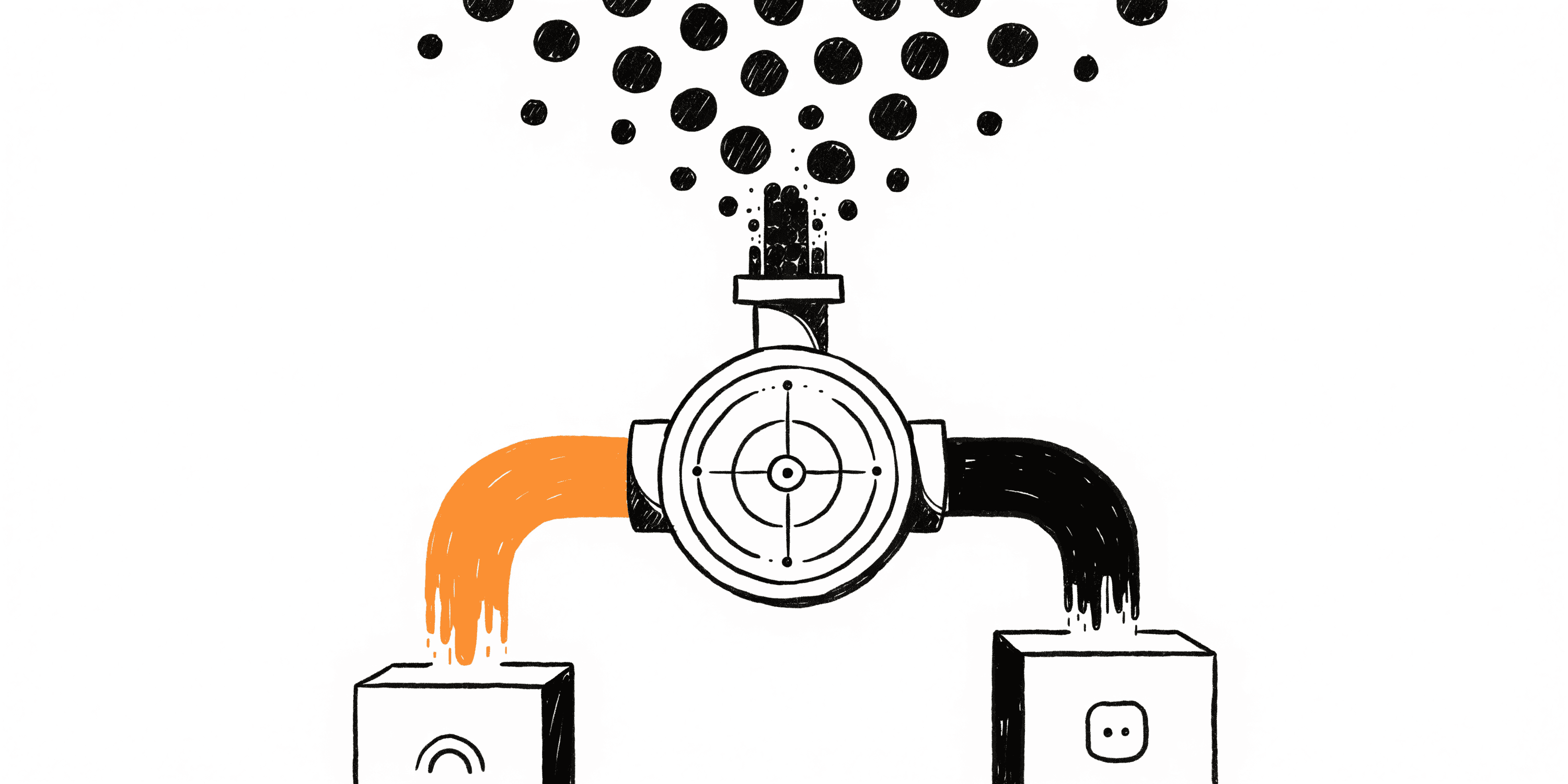
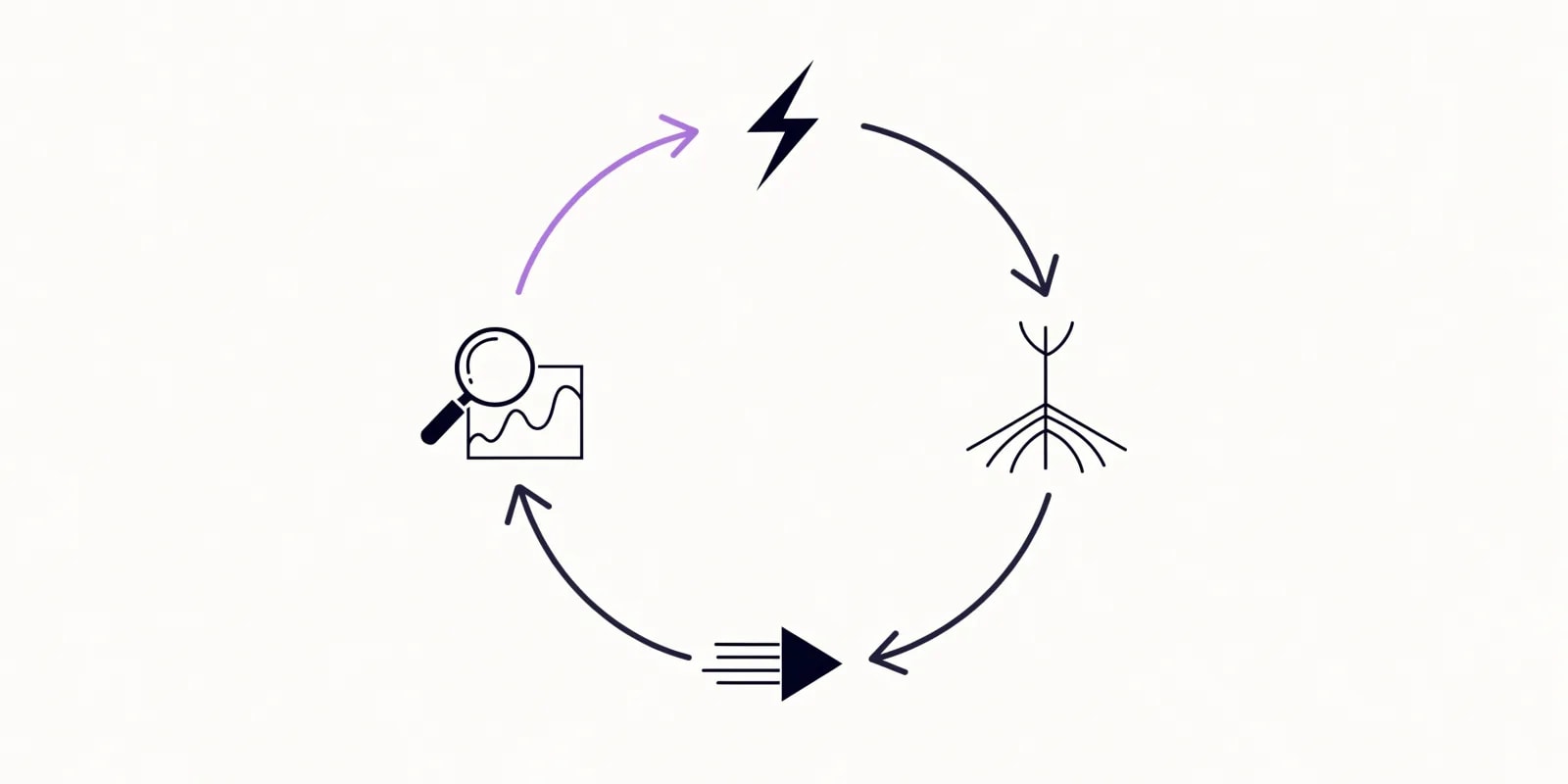
Automation executes a workflow a human already designed: if a cart is abandoned, send this email at this delay. Every decision was made ahead of time by a person. Generative AI sped up the content inside those workflows, which is the shift covered in generative AI's impact on digital marketing, but it left the decisions with people. Agentic AI works differently - it receives a goal ("recover this cart," not "send this specific email") and decides the channel, timing, and content itself, running on a trigger → decision → action → feedback loop that can adjust mid-execution.
| Automation | Agentic AI | |
|---|---|---|
| What it's given | A pre-built workflow | A goal |
| Who decides sequencing | A human, in advance | The agent, in real time |
| Can it change course mid-run? | No - follows the fixed path | Yes - reacts to new signals |
| Example | "If cart abandoned, send email at +1hr" | "Recover this cart" - agent picks channel, timing, offer |
The autonomy ladder: five levels of agentic marketing
Most content on agentic AI treats "autonomous" as one thing. It is not. There are five useful levels of agent autonomy in marketing, each with a different failure mode and a different appropriate use case. The mistake we see most often when teams evaluate agentic marketing platforms is treating a level 5 tool the same way as a level 2 tool. They need different guardrails.
| Level | What the agent does | Human role | Failure mode | Best fit in marketing |
|---|---|---|---|---|
| 1. Suggest | Drafts an action, does not execute | Reviews and executes | Bad suggestions are cheap, just discarded | Copy drafting, subject line ideation |
| 2. Recommend and route | Drafts and routes to the right human | Approves before send | Wrong human gets the queue, work stalls | Lead qualification, ticket triage |
| 3. Execute with approval | Runs the action once approved | Approves each run | Approval fatigue, humans rubber-stamp | Journey activation, segment creation |
| 4. Execute inside a boundary | Runs autonomously within scope (budget, list, action type) | Sets the boundary, spot checks | Agent optimizes for the wrong signal inside the boundary | Cart recovery, send-time optimization |
| 5. Fully autonomous | Sets goals and executes without checkpoint | None active | Compounding drift, invisible errors | Rarely appropriate in marketing today |
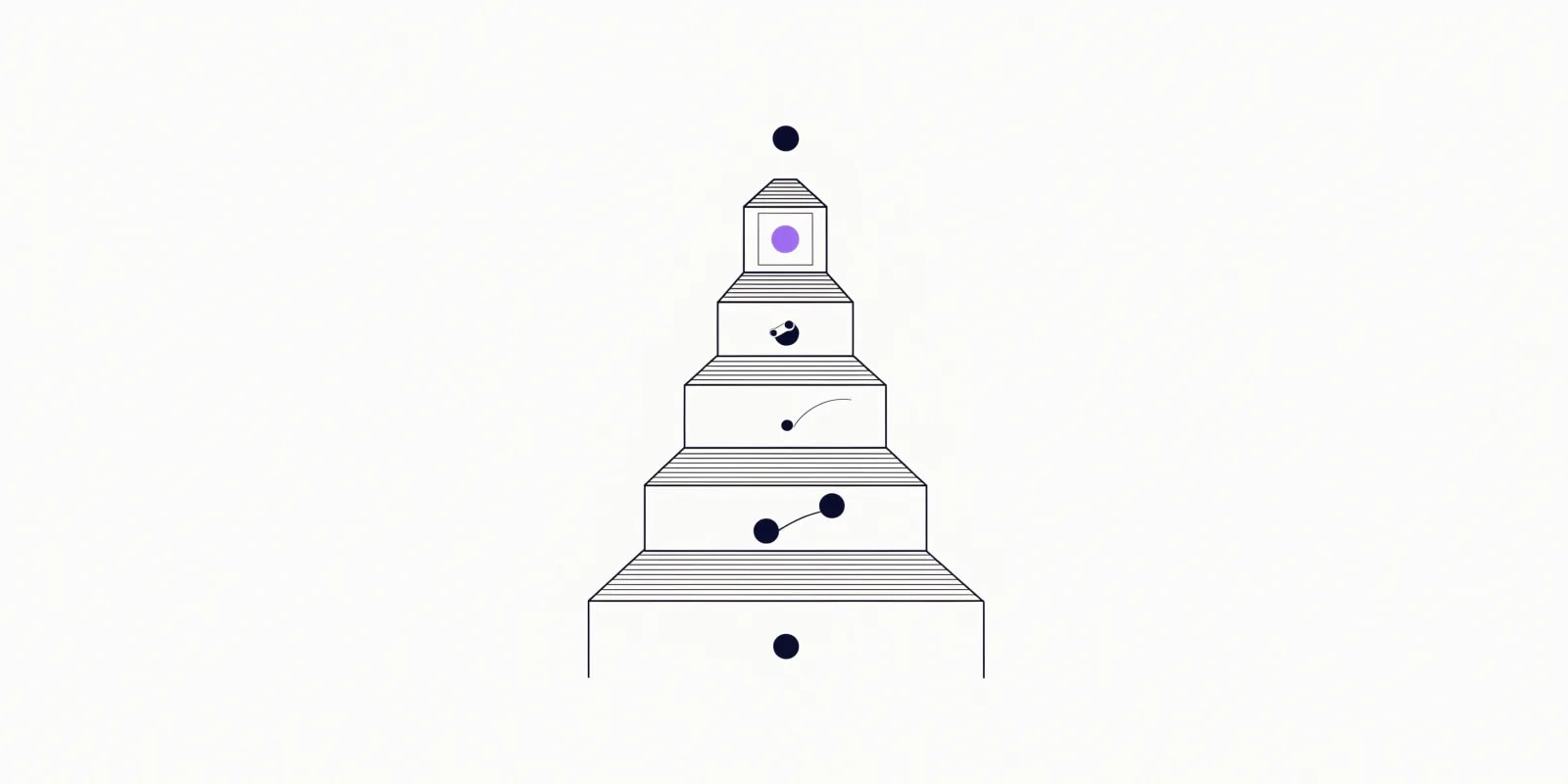
The 68.7 percent hybrid outperformance figure from the Stanford and Carnegie Mellon study is a comparison of level 5 against level 3 to 4. It does not say agents do not work. It says removing the human entirely does not.
When a vendor pitches "fully autonomous marketing," ask which level of the ladder they actually operate at, what the approval gate is, and what the agent is allowed to do without one. If there is no gate before it spends budget or sends to a full list, that is level 5, and the study says that is the level that underperforms. Paid media is where a missing gate costs the most, and how far paid ads automation actually reaches is narrower than most pitches imply.
The loop, broken down into its 4 real parts
The trigger → decision → action → feedback loop isn't a marketing phrase, it maps to a real architecture. Every one of the four parts is where a specific failure mode lives, and understanding the loop by its failure modes is more useful than understanding it by its happy path.
- Trigger. An event (cart abandoned, form submitted), a schedule (recurring check on a timer), or a manual kick-off. The failure mode: a trigger firing without the context the agent needs to decide well, for example "cart abandoned" firing without the shopper's LTV band attached.
- Decision. The agent reasons over the goal and the signals to choose an action, rather than following a pre-written branch. The failure mode: a decision made with too little signal, or with the wrong signal weighted too heavily, for example choosing SMS for a shopper who does not have SMS consent because the model was optimized on channel response rate without a compliance check.
- Action. The execution layer, sending a message, updating a record, calling an API, triggering a downstream workflow. The failure mode: silent action failure, the agent thinks it sent, the send actually failed at the ESP, and no one notices because the agent moved on.
- Feedback. The agent evaluates whether the goal was reached, and if not, decides whether to retry, escalate, or adjust. The failure mode is the one that separates real loops from scripts pretending to be loops: an agent that skips the evaluation and moves to the next task treats the loop as a script, and its errors compound. If a tool cannot show you what evaluation happened at the feedback step, it does not have a real feedback loop.
Where governance actually breaks in practice
Only 1 in 5 companies currently has a mature model for overseeing autonomous agents. Half of deployed agents operate in isolated silos, and 86% of IT leaders warn that without real integration, agents add more complexity than value rather than less. Gartner's own research adds a counterintuitive finding: applying the same governance rules uniformly across every agent, regardless of its autonomy level or access scope, is itself a failure driver - the fix isn't more governance, it's governance matched to what a specific agent can actually do and touch.
The practical framework: define the decision boundary before the agent runs, not after. Which actions can it take fully autonomously, which require human review before executing, and which require explicit human approval every time. Humans set the goals, permissions, and budget ceiling; the agent operates inside that boundary and can be intervened on at any point - the same hybrid pattern the performance gap above is measuring.
What we see running an agentic marketing platform in production
Running Blu Super Agent for real teams surfaces patterns that pure conceptual coverage of agentic AI misses. Three that come up repeatedly.
The context floor. Agents make their worst decisions when the trigger fires without the context the decision needs. In practice this means an identity graph and a live customer profile are prerequisites to good agent decisions, not nice-to-haves added later. A cart-abandonment agent that does not know the shopper's LTV band, prior purchase, or preferred channel will pick a channel and offer that a marketer would not have picked, and its output will look agentic without being useful. It is the 50 percent silo problem felt at the individual decision level. Our walkthrough of the Lifecycle Marketer agent shows what reading the live profile first looks like: the channel for each step comes from opt-in status, not a guess.
Approval fatigue at level 3. Teams that try to run every agent at level 3 (execute with approval) discover within two weeks that they are rubber-stamping approvals rather than reviewing them. Approval as a governance mechanism only works when approvers actually approve. Moving low-stakes actions to level 4 (execute inside a boundary) with periodic audit works better than level 3 as a permanent state.
The feedback step is where most tools cheat. Many tools that call themselves agentic implement trigger, decision, and action, but skip the feedback step. They send the message, log the send, and move on. A real feedback loop needs the agent to check whether the goal (cart recovered, not just email sent) was actually reached, and adjust the next run based on that answer. When evaluating an agentic marketing platform, ask what the agent measures at the feedback step, and what specifically changes in its next run based on what it saw.
The honest tradeoff: fully autonomous underperforms hybrid
This is the part most agentic-AI marketing content skips: fully autonomous systems, with no human checkpoint, measurably underperform a hybrid model where the agent executes but a human sets strategy and approves key decisions. A Stanford/Carnegie Mellon study found hybrid "human-on-the-loop" setups outperformed fully autonomous agents by 68.7%. Removing the human entirely isn't the win it sounds like.
Why this matters when you're evaluating a tool
If a vendor pitches "fully autonomous marketing," ask what checkpoint exists before it spends budget or sends to your full list. The genuinely useful version of agentic AI in 2026 keeps a human in the strategy seat and lets the agent handle execution - not the other way around.
Where to go next
This post covered the concept. For specific agentic marketing platforms compared side by side, including Intempt's own Blu Super Agent, see our best AI agents for marketing guide. To try the planning layer yourself, the AI Marketing Campaign Generator turns a goal into a first draft plan in one pass - a practical entry point into agentic AI in marketing without a full platform rollout. If you want to see results before you pick a tool, these real examples of AI in marketing with the numbers attached are a good gut check, and the free AI tools for digital marketing cover the jobs that need no agent at all. For one agent loop with the approval gate built in, see how to launch more winning ads with Opus 5.5: it builds every campaign paused and changes nothing until a person says yes.
Try the AI Marketing Campaign Generator - goal in, campaign plan and timeline out, free.