
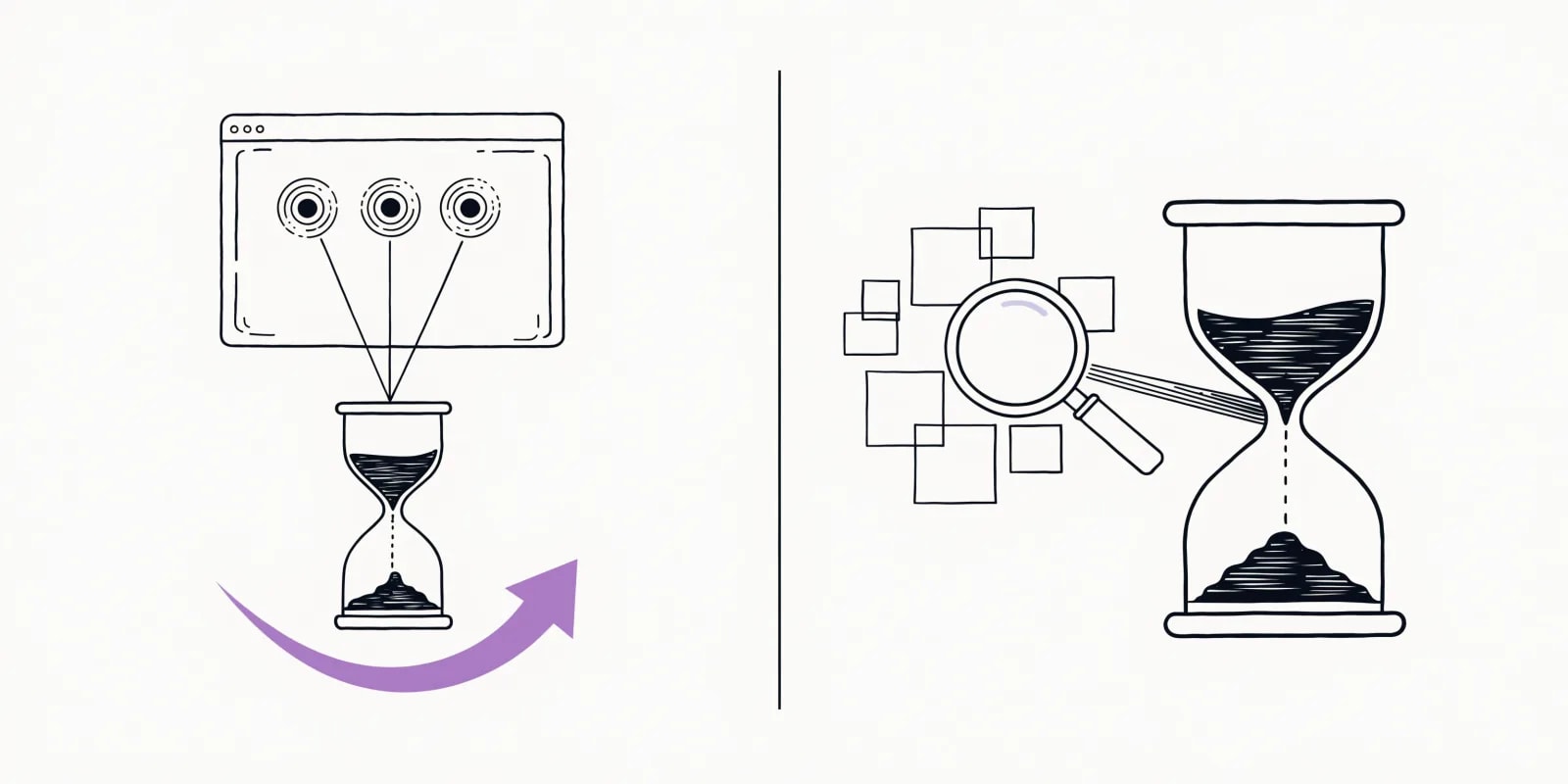
- First-party intent (behavior on your own site) and third-party scraped intent are not the same signal. The scraped kind decays before you can act on it.
- Industry signal-to-action lag averages 5.7 days against a 24 to 48 hour usable window, and cold email reply rates fell from 8.5 percent in 2019 to 3.43 percent in 2026.
- Act on first-party signals inside 24 hours. Demote scraped intent to background segmentation, not trigger data.
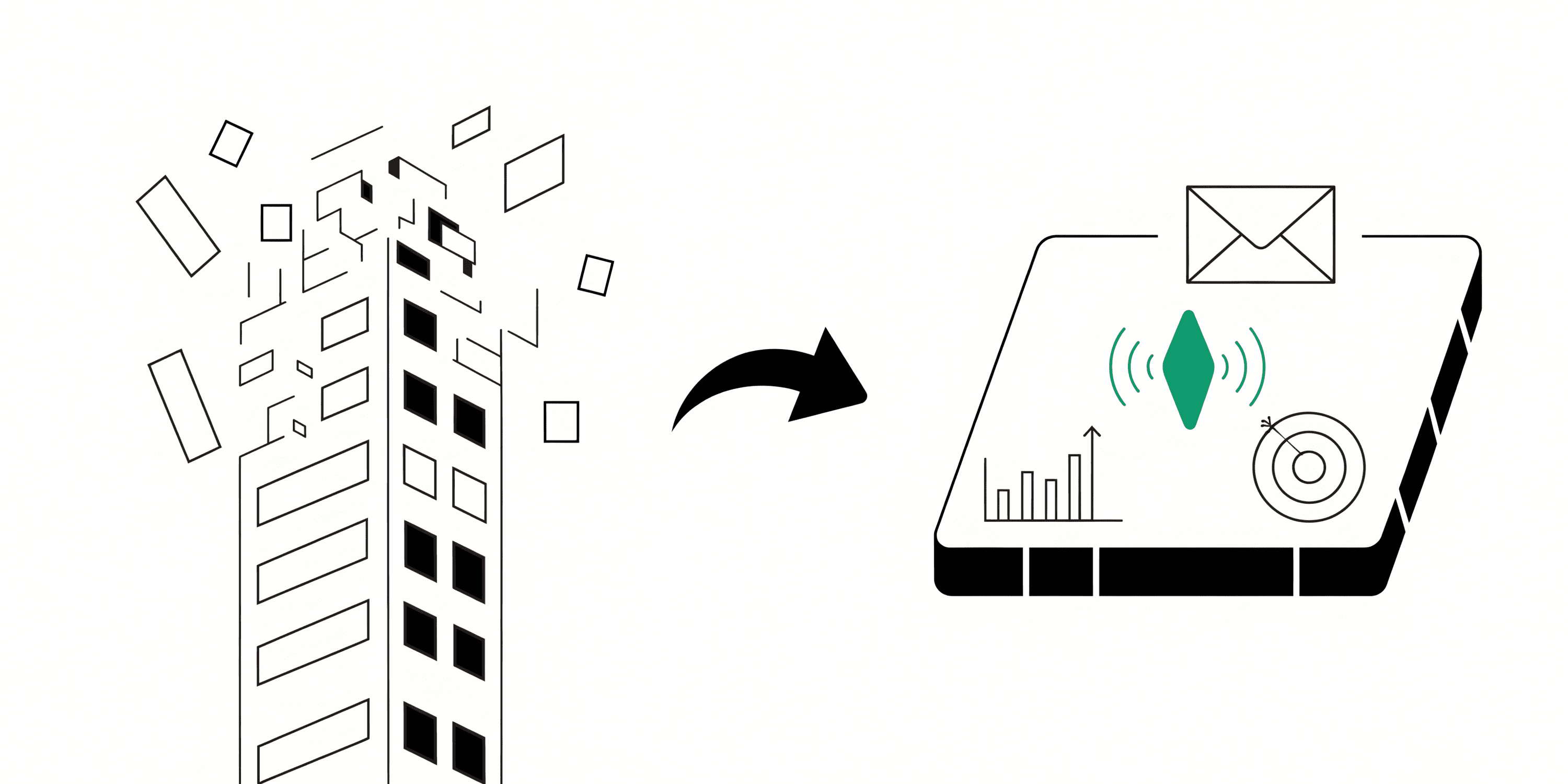
Every sales team running AI cold outreach on first-party data or purchased intent gets the same pitch: know who's in-market before they raise their hand, reach out first, win the deal. The data backs half of that promise. The other half is where most teams are quietly wasting budget.
98% of marketers call intent data fundamental to their demand-gen strategy. Only 24% report exceptional ROI from it. And reply rates on cold outbound overall have declined, from 8.5% in 2019 to 3.43% in 2026, across the same years intent-data spend went up industry-wide. That gap is the actual story here, not the vendor pitch deck. It is also part of why signal-based selling got folded into bigger platforms instead of surviving as its own category.
First-Party vs. Third-Party Intent: Not the Same Signal
"Intent data" gets used as one term for two very different things.
- First-party intent: behavior on your own property. Pricing-page visits, repeat sessions, a demo-request form abandoned halfway, email engagement on a nurture sequence. The prospect chose to be there. That's a real signal, not an inference.
- Third-party (scraped) intent: behavior aggregated across a publisher network by a data vendor and sold to you as "in-market" accounts. It's broader reach, but it's inferred, not observed, and it's typically already 3-5 days old by the time you see it (Forrester's 2026 median).
| Attribute | First-party intent | Third-party (scraped) intent |
|---|---|---|
| Freshness | Real-time to minutes | 3-5 day median lag (Forrester 2026) |
| Confidence | Observed, not inferred | Statistical inference from panel data |
| Reach | Only prospects on your site | Broad, including accounts you haven't touched |
| Cost | Your existing site + a CDP/analytics stack | $30K-$120K/year for mid-market plans (G2 2026) |
| Reply-rate lift when acted on within 24-48h | 2-3x baseline | 1.4-1.8x baseline |
| Reply-rate lift when acted on after 5+ days | Roughly baseline | Roughly baseline |
This is the actual distinction that matters, and it's why a system built on your own website's real signals (not a purchased list) is a different starting point than most outbound tooling. The AI Meeting Prep Generator is a small preview of that: type in a company name, get a real briefing back, on the free plan after signup, no purchased list required.
The Honest Gap: Why Intent Data Isn't Working as Advertised
This is the part most "buy our intent data" content skips.
| Metric | Number | What it means |
|---|---|---|
| Marketers who call intent data fundamental (source) | 98% | Near-universal belief in the category |
| Marketers reporting exceptional ROI from it (source) | 24% | The actual results lag the belief by a wide margin |
| Average cold email reply rate, 2026 (source) | 3.43% | The baseline every outbound program is competing against |
| Top-decile reply rate, first-party intent, 2026 (source) | 9-11% | What's still possible when the motion is tight |
| Response-rate lift when intent data is used well (source) | 2-3x | The upside is real, when execution matches the signal |
| Sales-cycle reduction when used well (source) | 20-40% | Speed compounds when timing is right |
| Industry median signal-to-action lag (Forrester 2026) | 5.7 days | The window is 24-48 hours; most teams miss it by a week |
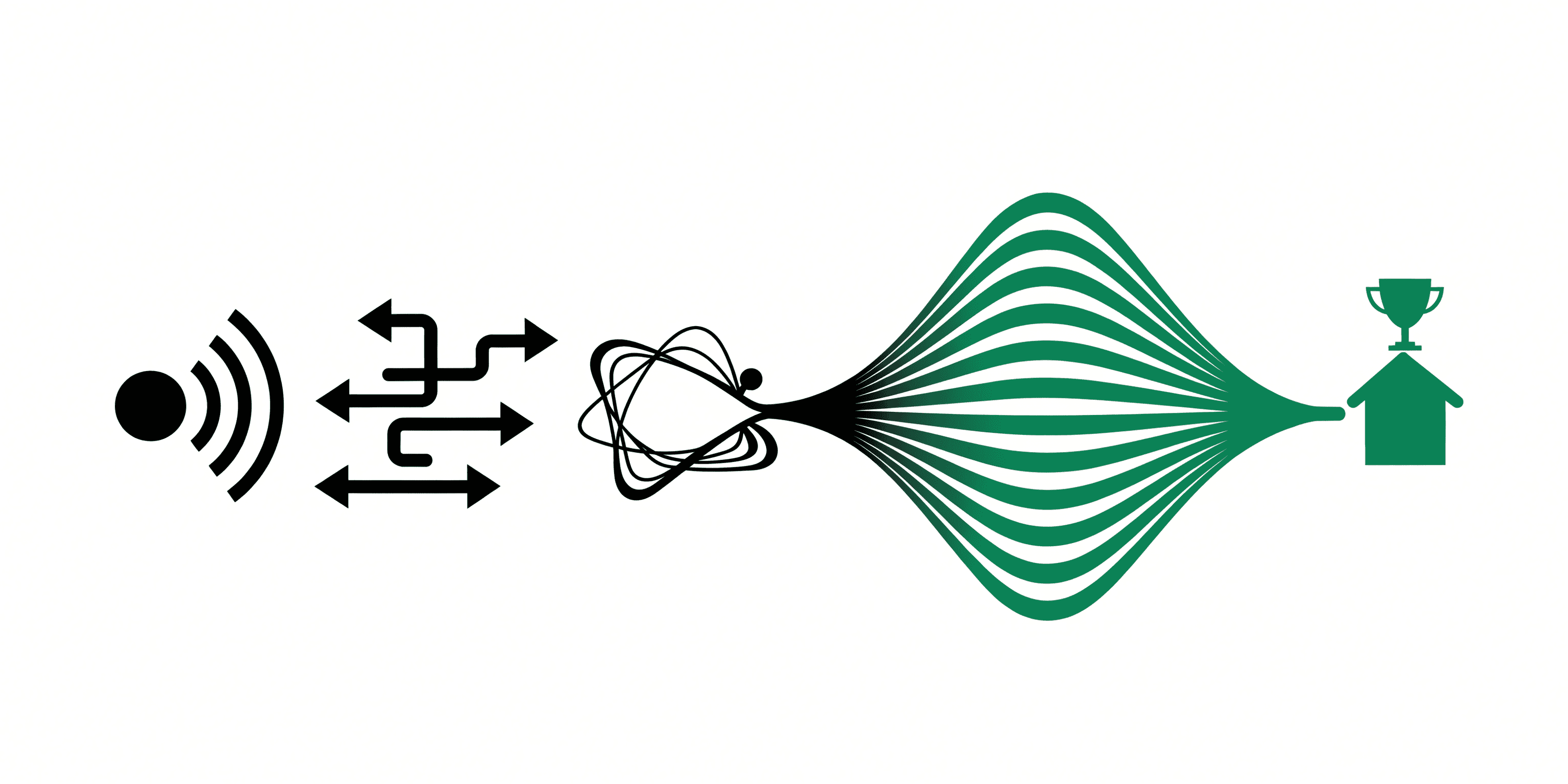
The pattern underneath these numbers: intent data isn't broken as a category. It's misused. Most teams buy the signal and then act on it on the same cadence they always did, weekly list pulls, batch sends, a rep getting to a lead 5-6 days after the signal fired. By then the buying window most sources put at 24-48 hours has already closed.

What Actually Moves the Reply Rate
- Speed, specifically: act on a real intent signal within 24-48 hours, not at the next scheduled outreach cadence. This is the single biggest lever in the research, and the one most processes fail on.
- Layer first-party and third-party, don't choose one. First-party confirms known interest on accounts already engaging with you. Third-party surfaces accounts you haven't touched yet. Used together, they cover both the "already warm" and "not yet on your radar" cases.
- Personalize the first line with the actual signal, not a generic company-research line. "Saw you checked our pricing page" reads as observant. "I noticed your company is growing" reads as a mail merge.
- Prep before you send, not after they reply. A rep who already knows the deal stage, the contact's role, and a real reason to reach out closes the speed-to-action gap that most teams lose on.
- Kill the batch. If your sequence tool only sends at 8 AM ET, you've already added 12-24 hours of lag to every signal that fires overnight. Move to signal-triggered sending, not calendar-triggered sending.
How to Find Out Your Own Signal-to-Action Lag
Most teams don't know their real number until they measure it, and the Forrester 5.7-day median is an average, not a diagnosis. Here's a rough audit you can run in an afternoon with data you already have.
- Pull the timestamp of the last 20 pricing-page visits from a known contact in your analytics tool, then pull the timestamp of the first outbound touch that referenced that visit (or would have, if you're not personalizing on it yet). The gap between the two is your real lag, not the vendor's benchmark.
- Check whether that gap is consistent or bimodal. A consistent 2-3 day lag usually means a manual export-and-upload step in the workflow. A bimodal pattern (some same-day, some a week-plus) usually means the signal only reaches a rep when someone happens to check a dashboard.
- Find where the signal sits between firing and being seen. It's almost always one of three places: a nightly batch job, a dashboard nobody has open, or a CRM field that updates but doesn't trigger a notification. Fixing that one hop usually closes more of the gap than any amount of better targeting.
- Re-measure after the fix. If the lag doesn't move, the bottleneck wasn't where you thought it was. This is the same failure mode as the 24%-ROI number from earlier: the data was fine, the pipe carrying it to a human was the actual problem.
The 4-Step Motion That Actually Runs
- Instrument first-party intent on the pages that actually predict revenue (pricing, integrations, demo, docs). If your analytics stack doesn't emit a real-time event when a known contact loads pricing twice in 24 hours, that's step zero.
- Route the signal to the rep in under 5 minutes via Slack or CRM notification. The InsideSales 2026 benchmark still holds: 5-minute response drives 21x conversion vs 30 minutes.
- Prep the outreach with a signal-specific first line, not a template. The AI Meeting Prep Generator turns this from a 20-minute rep task into a 60-second one.
- Send within 24 hours of the signal firing. Not the next Monday. Not the next campaign window. Inside the buying window the research actually names.
Intent data isn't the differentiator anymore. Almost everyone has access to some version of it. AI cold outreach on first-party data, speed-to-action on your own website signals, the ones a purchased list can't give you, is where the 2-3x response-rate gains in the research actually come from.