


- Outbound teams lose 60 to 70 percent of SDR time to research and prioritization, not outreach. The skills that pay back are the ones that handle signal, not the ones that write copy.
- Claude skills processing signals and researching accounts return two to four times more pipeline per hour than skills generating email copy. These 10 cover signal scoring, account research, personalization, sequence auditing, call analysis, and re-engagement.
- Run the research skills first. Every prompt copy-pastes into Claude today. No integrations required.
The best Claude skills for outbound marketing don't write your emails. They tell you who to email, why, and what to say about their specific situation, before you write a single word. And one of them now writes the email too.
Most outbound teams are using AI at the wrong layer. They run subject lines through Lavender, feed sequences into Copy.ai, and wonder why reply rates stay flat. The copy was never the bottleneck. The bottleneck is signal processing: knowing which of your 300 accounts is worth contacting today, what changed at that company this week, and which angle maps to their current pain. When those accounts reply and turn into deals, the scoring, objection and renewal work is covered in our Claude skills for sales roundup.
McKinsey's 2024 research on AI in sales found that teams using AI for prospecting and personalization tasks reduced research time by 40 to 60 percent, but only when the AI was applied to the research layer, not the copy layer. These 10 skills cover the full outbound cycle, from signal prioritization through cold email writing, account research, personalization, sequence auditing, call analysis, and re-engagement. Each one is built for the workflows that growth-stage SaaS and eCommerce outbound teams run every day. Every skill below includes a full copy-paste prompt, and each one has a downloadable SKILL.md file with example inputs, pro tips, and the complete prompt ready to use. If you want these running automatically against your live pipeline, Intempt's sales prospecting platform handles the signal layer natively. For a broader comparison of AI tools in this space, see best AI SDR tools for demand generation.
What is a Claude skill
A Claude skill is a structured, reusable prompt with a fixed input format, a defined output format, and a single use case. You fill in your data where the brackets are, run it in Claude, Anthropic's AI assistant, and get a consistent professional output every time. For outbound teams, that means replacing 15 to 25 minutes of manual research per account with a two-minute prompt run. The skill does not change what you do. It changes how long it takes.
Why outbound teams need Claude skills now
The average SDR spends 21 percent of their time on manual research, according to Salesforce's 2024 State of Sales report. LinkedIn's State of Sales puts the same bottleneck front and center: outbound reps consistently rank prospecting research and data entry as their largest time drains, ahead of actual selling. At a team of five SDRs, that is one full-time equivalent doing nothing but reading LinkedIn profiles and Google News alerts.
Claude skills solve this at the task level. You do not rebuild your outbound motion. You add a two-minute prompt before your first email and recover three to four hours per rep per week.
The skills that move the needle are not the ones that write better copy. They are the ones that answer three questions faster:
- Which account is worth my next 30 minutes?
- What happened at that account this week that I can reference?
- What objection will this persona raise, and how do I handle it before they do?
10 best Claude skills for outbound marketing
1. ICP signal scorer

Takes a list of enriched account signals and outputs a priority tier and one-sentence outreach rationale for each account. Most SDR teams score accounts using gut feel or a static lead score that ignores current signals. This skill applies your ICP criteria consistently across every account in under two minutes.
When to use: Before starting any new campaign list or when working through a weekly account batch.
How to run:
/icp-signal-scorer
Score this Apollo export against my ICP:
B2B SaaS, 50–200 employees, VP Sales present,
key signals are recent funding or SDR hiring.
[paste account list]Best used with: Clay export, Apollo list, or a CRM export with enrichment fields.
Where this skill hits its ceiling: You run it on a static export. A high-priority signal that fires on Thursday is not actioned until your next batch run.
With Intempt: The SDR scores and re-ranks accounts automatically as new signals arrive, with no manual trigger needed.
2. Account research digest
Takes a company name and domain and outputs a structured three-paragraph brief a rep can read in 90 seconds before a call or before writing the first email. SDRs spend 15 to 25 minutes researching an account before outreach. This skill cuts that to two minutes and produces a more structured output than manual browsing. For teams running this research at scale with AI, see how to use AI for sales prospecting.
When to use: Before first contact with any new account, and before every discovery call.
How to run:
/account-research-digest
Research Fieldpath at fieldpath.io.
We sell Intempt, agentic GTM software that replaces fragmented sales and marketing tools.
I'm targeting their VP of Sales.Best used with: Any account where you have a domain. Run this before the first email or before booking prep.
Where this skill hits its ceiling: One prompt run per account, manually triggered before each touchpoint. At 30 new accounts a week, that is 30 separate Claude sessions before you write a single email.
With Intempt: Account context is generated automatically inside your pipeline view before every scheduled touch, with no prompt runs and no copy-paste between tabs. The meeting prep brief recipe runs this exact automation - company name in, call-ready briefing out - and pairs with Intempt's AI Meeting Prep Generator if you want to try the free version first.
The full prompt above is the skill - copy it, fill in your inputs, and run it. Browse the full skill library → for the rest of the pack.
3. LinkedIn personalization brief
Takes a prospect's LinkedIn profile text and outputs three distinct personalization angles for an opening line, each grounded in something specific to that person. Generic openers have a 0.5 to 1 percent reply rate. Openers grounded in a specific post, career change, or project the prospect shared publicly reach 3 to 6 percent, according to Lavender's 2024 email benchmark data. Gong Labs research on B2B email patterns confirms the same finding: references to a specific business event at the prospect's company consistently outperform compliments, curiosity questions, and feature-led openers.
When to use: Before any cold email or LinkedIn connection request.
How to run:
/linkedin-personalization-brief
Give me three personalization angles for Marcus Chen, VP of Sales at Fieldpath.
He just posted about ramping 8 new SDRs and previously led sales at two Series B SaaS companies.
[paste his LinkedIn about section and recent posts]Best used with: LinkedIn Sales Navigator or a manual profile pull.
Where this skill hits its ceiling: One prospect at a time, and there is no link between the angle you picked here and what actually gets sent in your sequence.
With Intempt: Personalization signals from enrichment and behavioral data feed directly into the email step being composed, so the opening line and the outbound sequence stay in sync without manual bridging.
The full prompt above is the skill - copy it, fill in the LinkedIn text, and run it. Browse the full skill library → for the rest of the pack.
4. Outbound sequence auditor
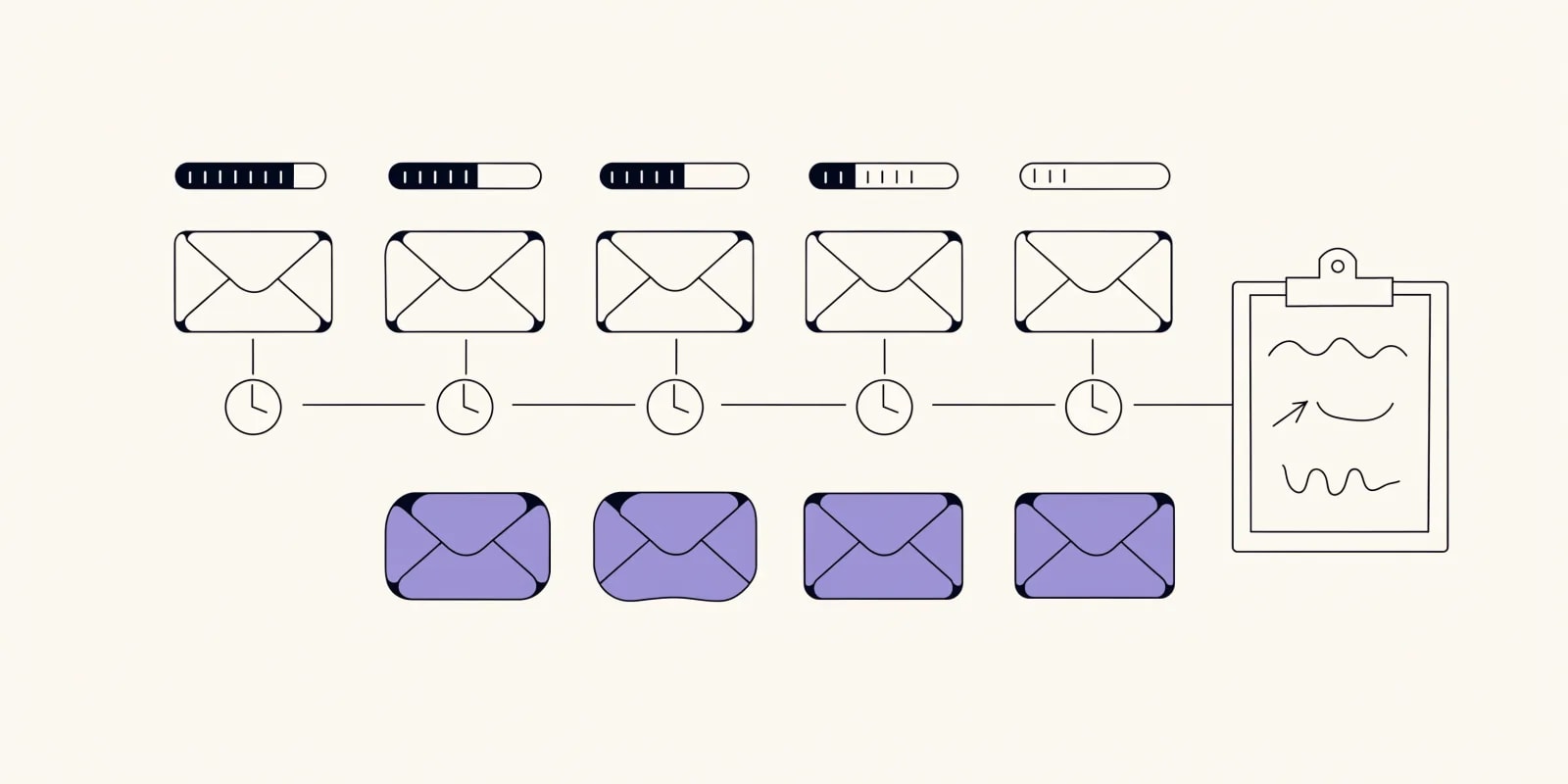
Takes your current outbound email sequence and outputs a gap analysis identifying weak touches, missing follow-up logic, and rewrites for the three lowest-performing emails. Most outbound teams add new sequence steps instead of fixing broken ones. A sequence with two strong emails and three weak ones underperforms a sequence with five consistent emails.
When to use: When reply rates drop or before launching a new sequence.
How to run:
/outbound-sequence-auditor
Audit this 5-email sequence targeting Head of Growth at B2B SaaS companies with 50–150 employees.
We sell Intempt, a platform that replaces fragmented GTM tools.
Reply rates dropped from 4% to 1.2% last month.
[paste each email]Best used with: Your active sequence from Outreach, Salesloft, HubSpot, or Intempt Journeys.
Where this skill hits its ceiling: You audit after reply rates have already dropped, optimizing retroactively rather than preventively.
With Intempt: Journey workflows surface per-step open and reply signals in real time, flagging underperforming emails while the campaign is still running, before you have burned the full list.
5. Objection pre-handler

Takes your ICP definition and outputs the five most likely objections from that persona, with a specific response strategy and a follow-up question for each. Reps who know the objection before it arrives handle it more calmly, more briefly, and more effectively. A rep who says 'we hear that often, and here is the specific reason it does not apply in your case' closes two to three times more than a rep caught off guard. Intempt's free AI sales pitch generator helps build out the pitch context you need as input for this skill.
When to use: Before any new persona campaign, before cold calls, and during new rep onboarding.
How to run:
/objection-pre-handler
Give me the top 5 objections a VP of Sales at a 100-person SaaS company will raise
about replacing their Outreach + HubSpot stack with Intempt.
They care about rep adoption and CRM data quality.Best used with: Sales team prep sessions and new rep onboarding.
Where this skill hits its ceiling: The map is static. It does not update as reps hear new objections on live calls, and it has no memory of what was said in prior conversations with this specific prospect.
With Intempt: The Account Executive has full context from every call and email in the deal, so objection guidance is specific to this account's history, not a generic persona template you re-run each quarter.
Running these prompts manually gets you results today. When you're ready to automate the signal and research layer across your full pipeline, start for free on Intempt and connect your live accounts in minutes.
6. Call transcript signal extractor
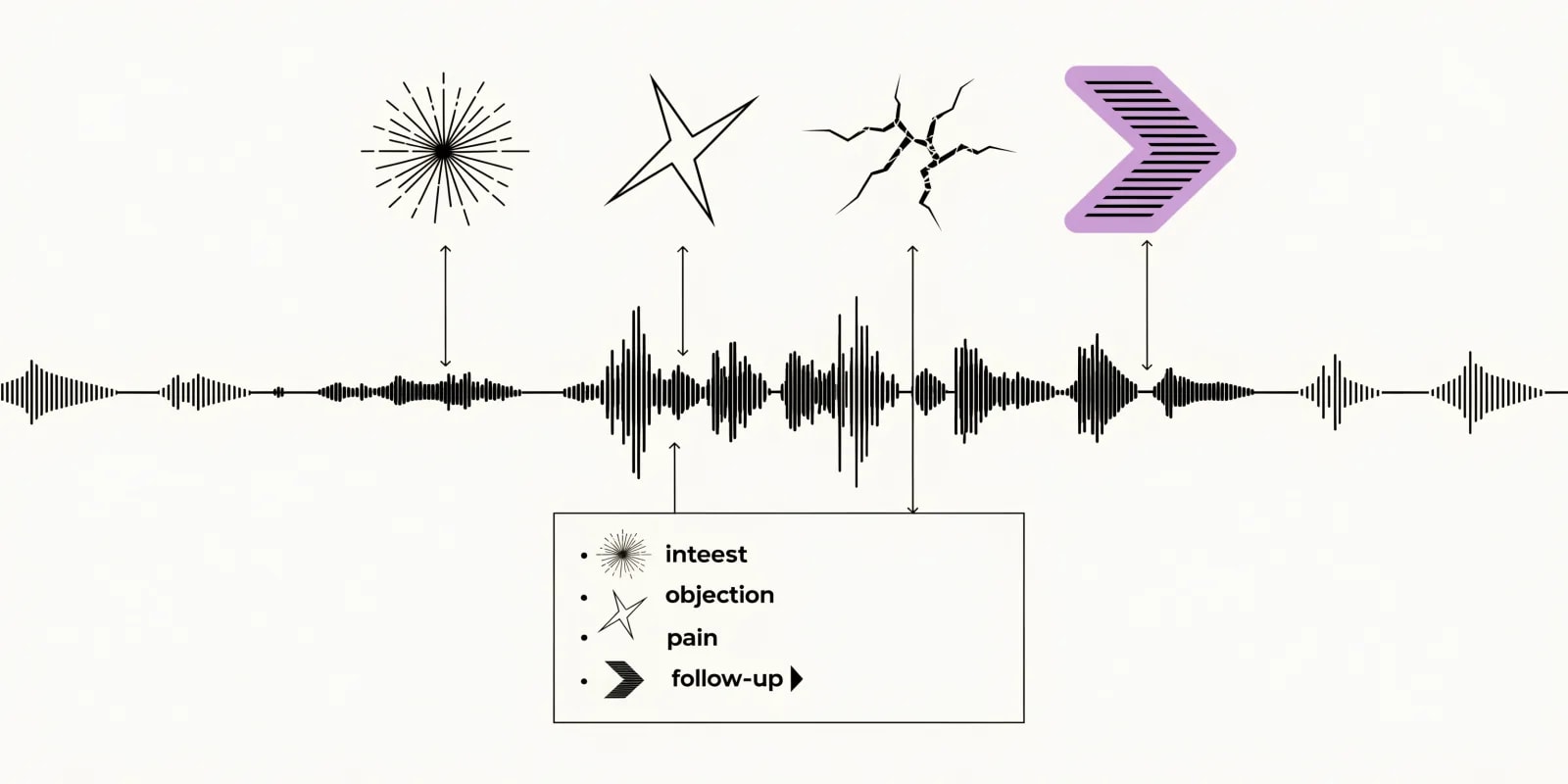
Takes a raw call transcript and outputs deal signals, objections raised, buying intent indicators, and a recommended next action. Reps listening to 30 to 45-minute calls manually miss an average of 40 percent of signals, according to Gong's 2024 State of Revenue research. This skill extracts all of them in 90 seconds. For context on what conversation AI can do beyond signal extraction, see conversation intelligence.
When to use: Immediately after every discovery call, before writing the follow-up email.
How to run:
/call-transcript-signal-extractor
Extract signals from this 35-minute discovery call with Fieldpath.
Two stakeholders were on: VP Sales and Head of RevOps.
I need deal signals, open objections, and a recommended next step.
[paste transcript]Best used with: Intempt Meetings, Fathom, Otter.ai, or any meeting recorder that exports a transcript.
Where this skill hits its ceiling: You paste the transcript manually, the extracted signals stay in Claude, and there is no automatic path from the output to your CRM or follow-up queue.
With Intempt: Meetings transcribes the call, extracts signals, updates CRM fields, and drafts the follow-up email, all within 60 seconds of the call ending, without the rep touching anything.
7. Competitor displacement framer
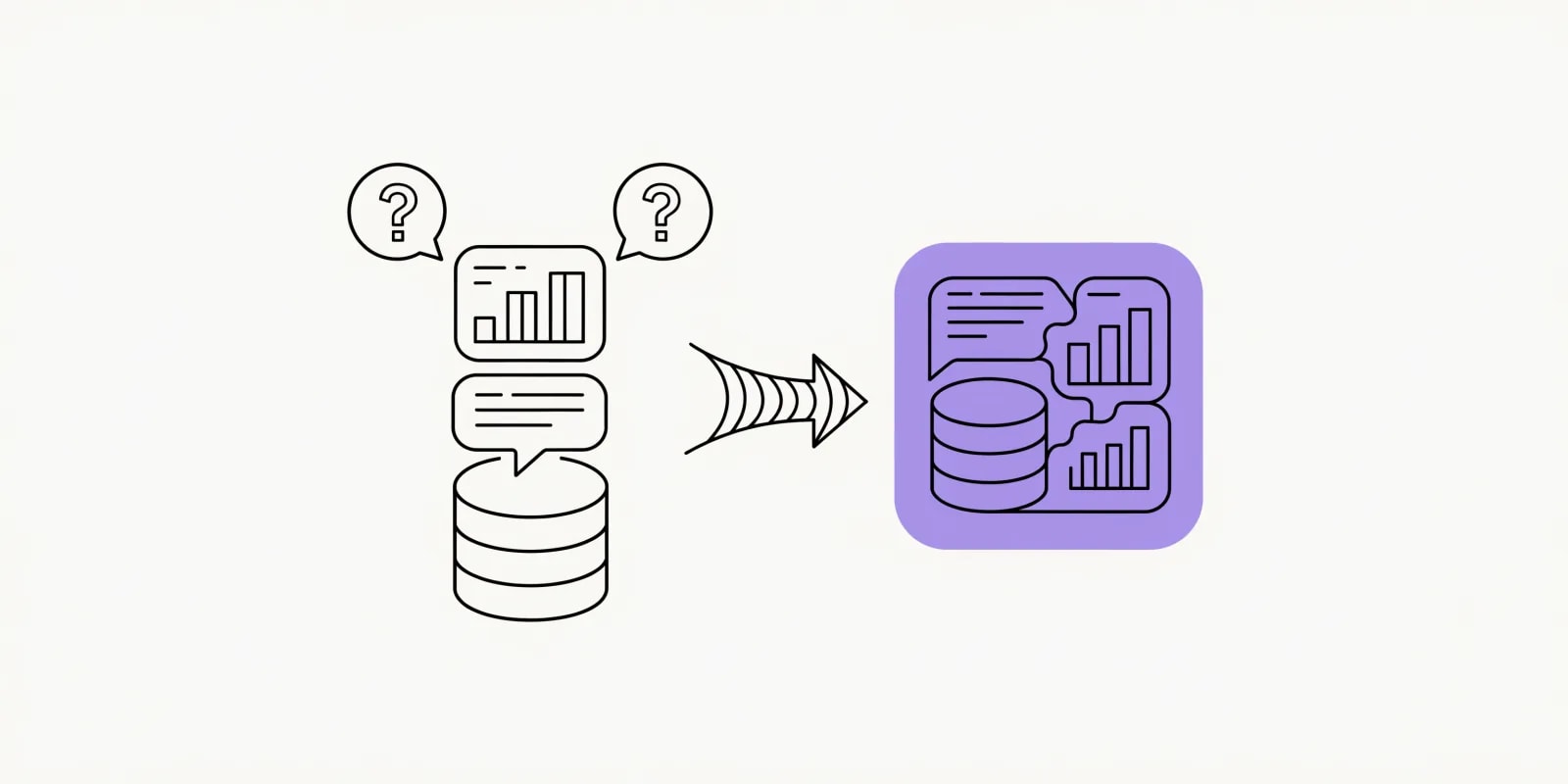
Takes a prospect's current tool stack and outputs the strongest competitive displacement angle specific to their configuration, not a generic comparison. Generic competitive claims are ignored. Specific displacement claims that reference the exact overlap costing the prospect real money open conversations. This skill builds the specific version.
When to use: When a prospect is locked into a competitor or when their tech stack is visible from enrichment data.
How to run:
/competitor-displacement-framer
Frame a displacement angle for a prospect running Segment + Klaviyo + Outreach + Salesforce.
We sell Intempt, flat-rate seat pricing, replaces all four tools, AI agents handle the execution layer.
Their job postings show 3 open RevOps roles.Best used with: Clay enrichment data, LinkedIn job postings, or G2 profile data.
Where this skill hits its ceiling: The displacement angle is only as current as the stack data you paste in. If the prospect swaps a tool, your angle is stale until you re-run.
With Intempt: Tech stack signals from enrichment integrations are monitored continuously, so competitive angles stay current without you re-triggering the prompt every time a change is detected.
The full prompt above is the skill - copy it, drop in the prospect's stack, and run it. Browse the full skill library → for the rest of the pack.
8. Re-engagement rewriter

Takes the notes from a lost deal or gone-dark prospect and rewrites the outreach to address the original objection directly. Sixty percent of prospects who go dark do so because of timing, not fit, according to HubSpot's 2024 sales trends report. A re-engagement email that references the original conversation and acknowledges what changed gets two to three times the reply rate of a generic check-in.
When to use: For closed-lost opportunities and contacts who went silent after a demo.
How to run:
/re-engagement-rewriter
Rewrite outreach to Sarah Okafor, Head of Growth at Tilio.
We spoke in March, she said timing was wrong and they were mid-migration.
They just posted 3 new SDR roles and announced a new VP Sales last week.
We sell Intempt.Where this skill hits its ceiling: You have to manually identify which accounts went dark, dig up the original conversation notes, and remember to run the prompt, all before you write anything.
With Intempt: Gone-dark accounts surface automatically from engagement signal dropoff, and re-engagement is triggered by a real event at the prospect's company, not by you remembering to check the CRM on a slow Friday.
This prompt pattern isn't packaged as its own skill file in the current library, but the same gone-dark-deal signal handling lives in the-cold-opener →, or browse the full skill library →
9. Weekly pipeline signal prioritizer

Takes a week's worth of intent signals across your pipeline and outputs a ranked outreach list with a one-sentence reason per account. Signal volume is not the bottleneck. SDR attention is. This skill turns 50 signals into 10 prioritized outreach actions so reps spend Monday morning acting, not reading. For context on what makes a signal worth acting on, see buying signals: what they are and how to track them.
When to use: Every Monday before your team's outreach begins.
How to run:
/weekly-pipeline-signal-prioritizer
Rank this week's signals for my pipeline.
ICP is VP Sales at B2B SaaS, 50–200 employees.
Signals: Fieldpath hired a new VP Sales (LinkedIn), Tilio raised $8M Series A (Crunchbase),
Orbit posted 4 SDR roles (LinkedIn), Stackr added Outreach to their stack (Clay).
Intempt replaces fragmented sales tools.Best used with: Weekly Clay digests, Intempt pipeline signals, or any CRM with activity alerts enabled. Intempt's signals to pipeline use case shows how this runs in an automated flow.
Where this skill hits its ceiling: Monday morning prioritization means Thursday and Friday signals are already three to four days old by the time you act on them, which is a long time in outbound.
With Intempt: Signal prioritization runs continuously. A signal that fires on Wednesday surfaces for outreach on Wednesday, not next Monday.
The full prompt above is the skill - copy it, paste your week's signals, and run it. Browse the full skill library → for the rest of the pack.
10. Cold email writer
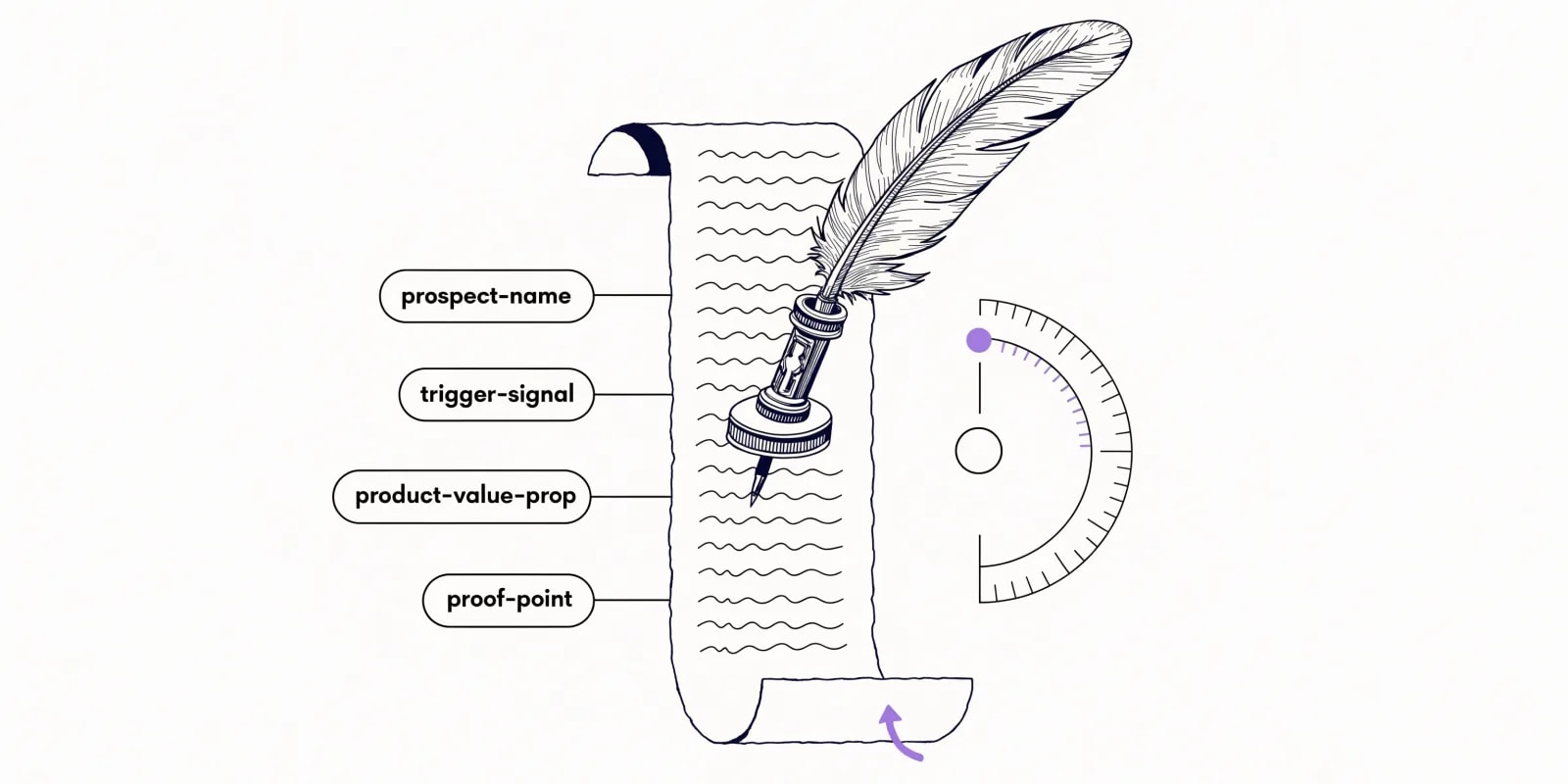
The gap most outbound skills leave open: actually writing the email. Skills 1 through 3 tell you who to contact, why, and how to open. This skill uses that research to write a complete cold email body in under two minutes. The output is under 120 words, structured around a specific trigger, and ships with five scored subject line variants in the same run, so nothing goes out with an untested subject line.
Most reps write from a template (which reads like a template) or spend 15 minutes crafting each email from scratch (which does not scale). This skill bridges the two: personalized output built from your research inputs, with no generic filler and no hallucinated company details. The 120-word cap is not arbitrary. Boomerang's analysis of millions of emails found that emails between 50 and 125 words get the highest reply rates, with response rates declining sharply above 200 words.
When to use: After running skill 2 (account research digest) and skill 3 (LinkedIn personalization brief) to get your inputs. If you want a fast starting point before running the full prompt, Intempt's free AI sales email generator produces a quick draft you can then refine here.
How to run:
/cold-email-writer
Write a cold email to Marcus, VP of Sales at Fieldpath.
Trigger: he posted 2 days ago about onboarding 8 new SDRs and their ops team
being stretched across two CRM processes.
We sell Intempt: automates CRM updates, meeting notes, and follow-ups so reps log 90% less manually.
Proof point: one team eliminated 312 hours/year of admin per rep in 60 days.Best used with: Output from skill 2 (account research digest) and skill 3 (LinkedIn personalization brief) as inputs.
Where this skill hits its ceiling: Running the full chain (research digest, personalization brief, then this prompt) is three separate Claude sessions before you have a sendable email. At 20 accounts per week, that is 60 prompt runs.
With Intempt: The SDR researches the account, identifies the strongest trigger, writes the personalized email, and queues it for rep review, in a single pipeline action.
Free Intempt tools that pair with these skills
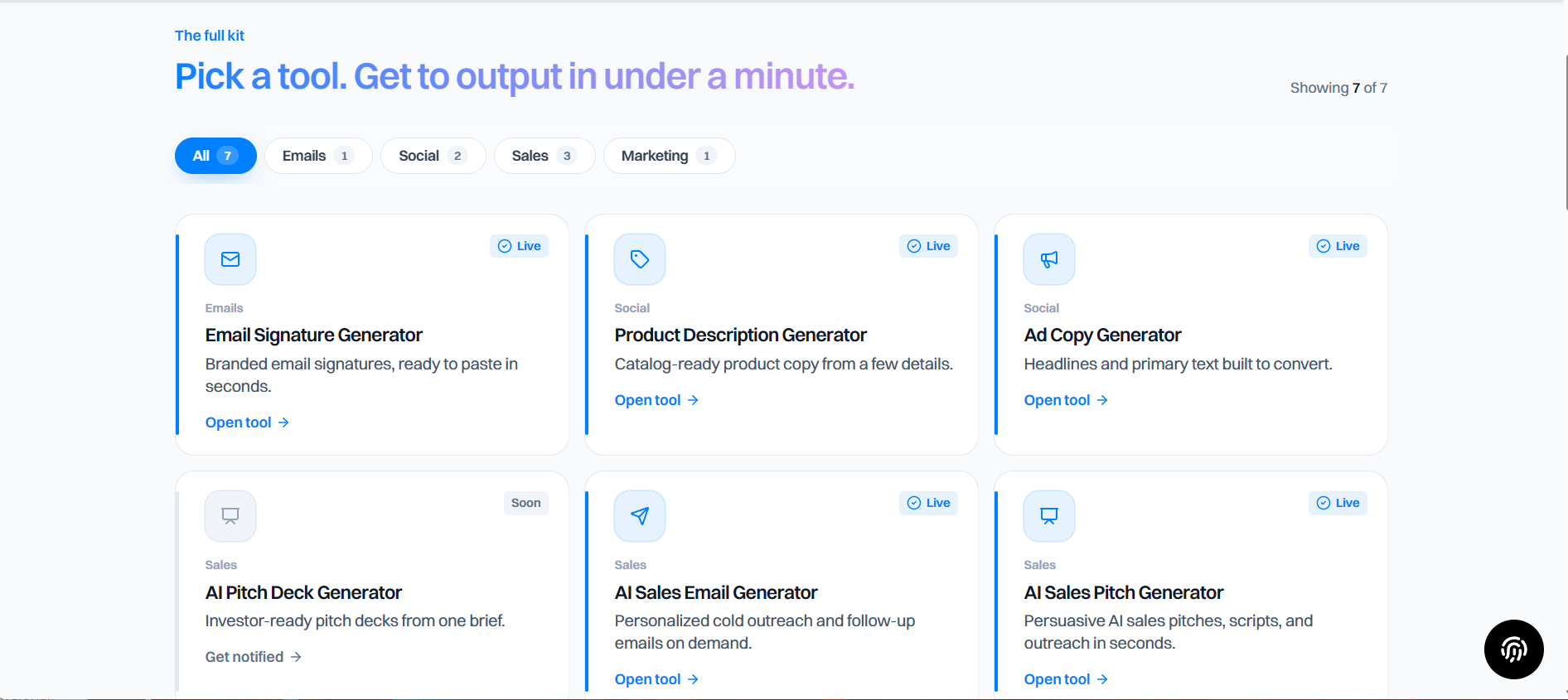
These are browser-based tools, no sign-in required, that produce quick outputs you can use as inputs for the skills above.
- AI sales email generator: Generate a first draft email from a basic brief. Use as a starting input for skill 10.
- AI sales pitch generator: Build out your pitch narrative. Useful as input context for skill 5 (objection pre-handler).
- Email deliverability test: Check SPF, DKIM, and DMARC on your sending domain. A small detail that decides whether outbound lands in the inbox.
Comparison: which skill to use when
| Skill | Best moment to use | Time saved | What you get |
|---|---|---|---|
| ICP signal scorer | Before any new list or campaign | 3–5 hrs per week | Priority tiers and rationale per account |
| Account research digest | Before first email or call | 15–20 min per account | Structured rep brief |
| LinkedIn personalization brief | Before cold email or connection request | 10–15 min per prospect | Three personalization angles |
| Outbound sequence auditor | When reply rates drop or new sequence is built | 2–4 hrs per audit | Gap analysis and rewrites |
| Objection pre-handler | Before new persona campaign or rep onboarding | 1–2 hrs per session | Objection map and responses |
| Call transcript signal extractor | After every discovery call | 20–30 min per call | Signals, objections, next action |
| Competitor displacement framer | When prospect is locked into a competitor | 30–45 min per account | Displacement angle and questions |
| Re-engagement rewriter | For closed-lost and gone-dark accounts | 15–20 min per email | Ready-to-send re-engagement email |
| Weekly pipeline signal prioritizer | Every Monday morning | 1–2 hrs per week | Ranked outreach list |
| Cold email writer | After research | 10–15 min per email | Complete personalized email body with subject line variants |
What to look for in a Claude skill for outbound
Not every Claude prompt is worth building into your workflow. The ones that stick share four characteristics.
Fixed input format. You should not need to think about how to structure your data. The prompt tells you exactly what to paste, and where.
Consistent output format. Every run returns the same type of output so you can plug it into your workflow without reformatting.
Single use case. Skills that try to do three things do none of them well. The best outbound skills do one job.
Verifiable output. You should be able to evaluate the output within 60 seconds. If you cannot tell whether it is good or bad, you cannot improve it.
Final thoughts: which skill to build first
Start with these three, in order:
- Weekly pipeline signal prioritizer: changes how your team starts every week
- Account research digest: changes how you prepare for every new contact
- Cold email writer: changes what you send and how fast you send it
Add the copy refinement skills (objection pre-handler, competitor displacement framer) after you have the signal and research layer running. Fix the signal layer first, then the message layer. For a broader look at how B2B teams are building AI into their outbound motion, see how B2B companies are building stronger sales pipelines.
The 10 best Claude skills for outbound marketing are not about writing better emails. They are about compressing the research, prioritization, and email-writing work that happens before your pipeline sees a single reply, and that is where most outbound teams lose the week. Start for free on Intempt to run this entire layer automatically, without the 60 prompt runs per week.