
- Adoption of AI in B2B marketing is no longer the story. Execution is: 43 percent of marketers cannot connect AI to their existing martech stack.
- Only about 5 percent of B2B buyers are in-market at any given time, which is why intent data (not more content) is where the advantage compounds. Cisco's intent-based shift drove 25 million dollars in pipeline.
- Fix the integration layer before adding another AI tool. Route outputs through your existing identity graph.
AI in B2B marketing is now near-universal: 96% of B2B marketers already use it in some form, so adoption isn't the story anymore. The real story is the 43% who can't connect AI to their existing martech stack well enough to get value from it, and the 91% correctly betting on intent data to solve the hardest problem in B2B: knowing which 5% of accounts are actually in-market right now.
This post walks the actual gap. Adoption numbers first. Why intent data is the lever that actually matters. The 8 ABM tech categories named, with real vendors. Cisco's $25M case study and the integration barrier that shows up even at that scale. How to size the stack to team size instead of copying the full enterprise loadout. What the honest failure modes are. For the related read on where signal-based selling ended up as a category, see signal-based GTM already had its category moment.
The adoption numbers
The headline is that AI in B2B marketing is not an early-adopter story anymore. Every credible research shop reports 90-plus percent adoption on some form of AI. The number that actually differentiates a team is the second column - the percent doing something with intent data specifically, and the percent whose stack lets that data flow into execution.
| Metric | Value | Source |
|---|---|---|
| B2B marketers using AI in some form | 96% | Demand Gen Report 2026 |
| Using AI specifically in ABM programs | 91% | WebFX ABM stats |
| Using AI for ABM personalization | 84% | WebFX |
| Conversion lift from predictive models on key accounts | 22% | WebFX |
| Using intent data to prioritize accounts | 91% | WebFX |
| Struggling to connect AI with existing martech stack | 43% | MarTech |
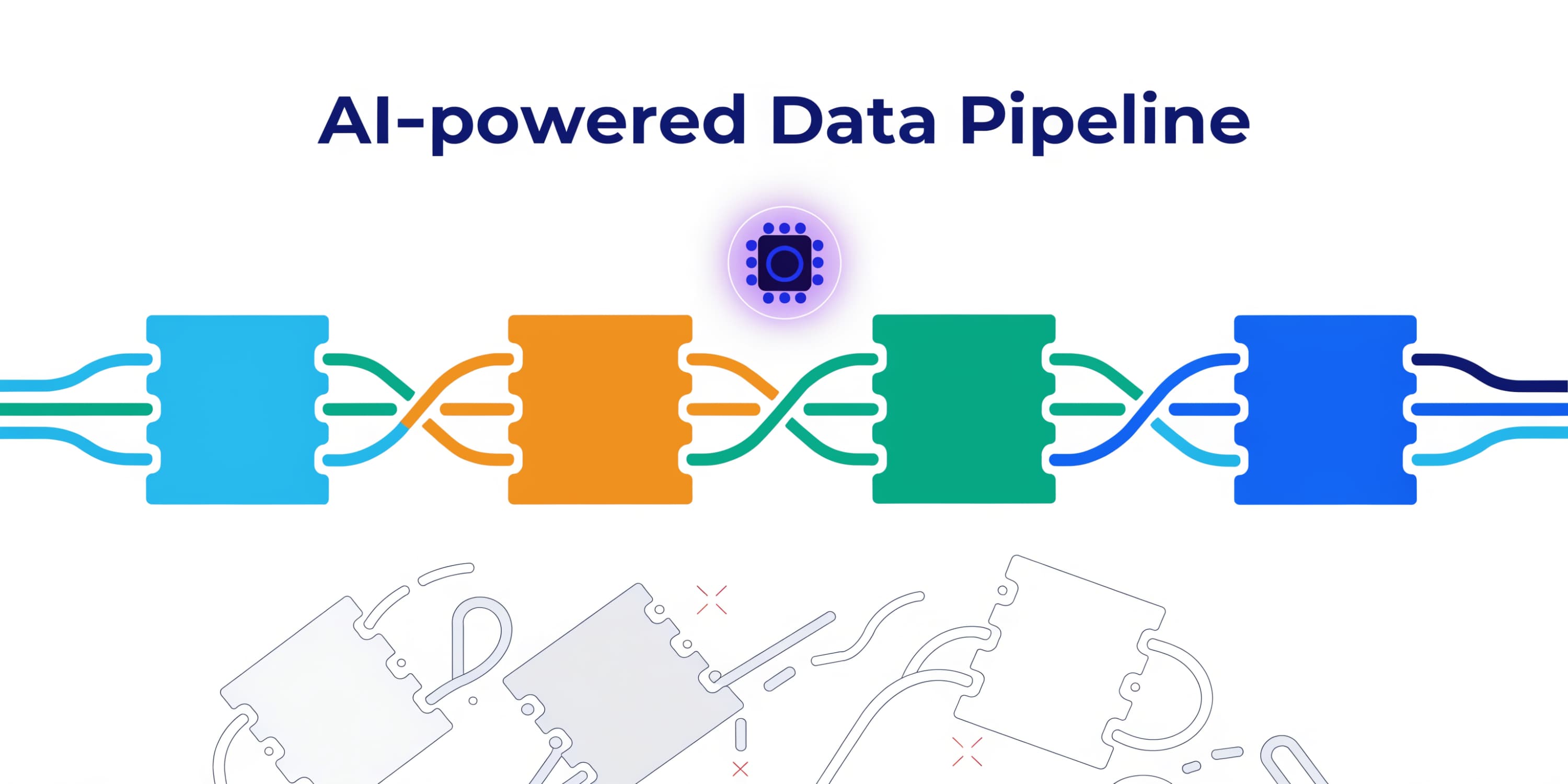
The gap between the 91 percent using intent data and the 43 percent who can't get their stack to work with AI is the whole story. Teams are buying the intent tool and connecting it to nothing. Signal comes in, sits in a report, and gets ignored because the campaign platform can't act on it without a manual sync. The AI part isn't the bottleneck. The plumbing is. Survey data on how 62 revenue teams build their GTM tech stack lands in the same place: the connections between tools decide whether any of it works.
Why intent data is the real lever
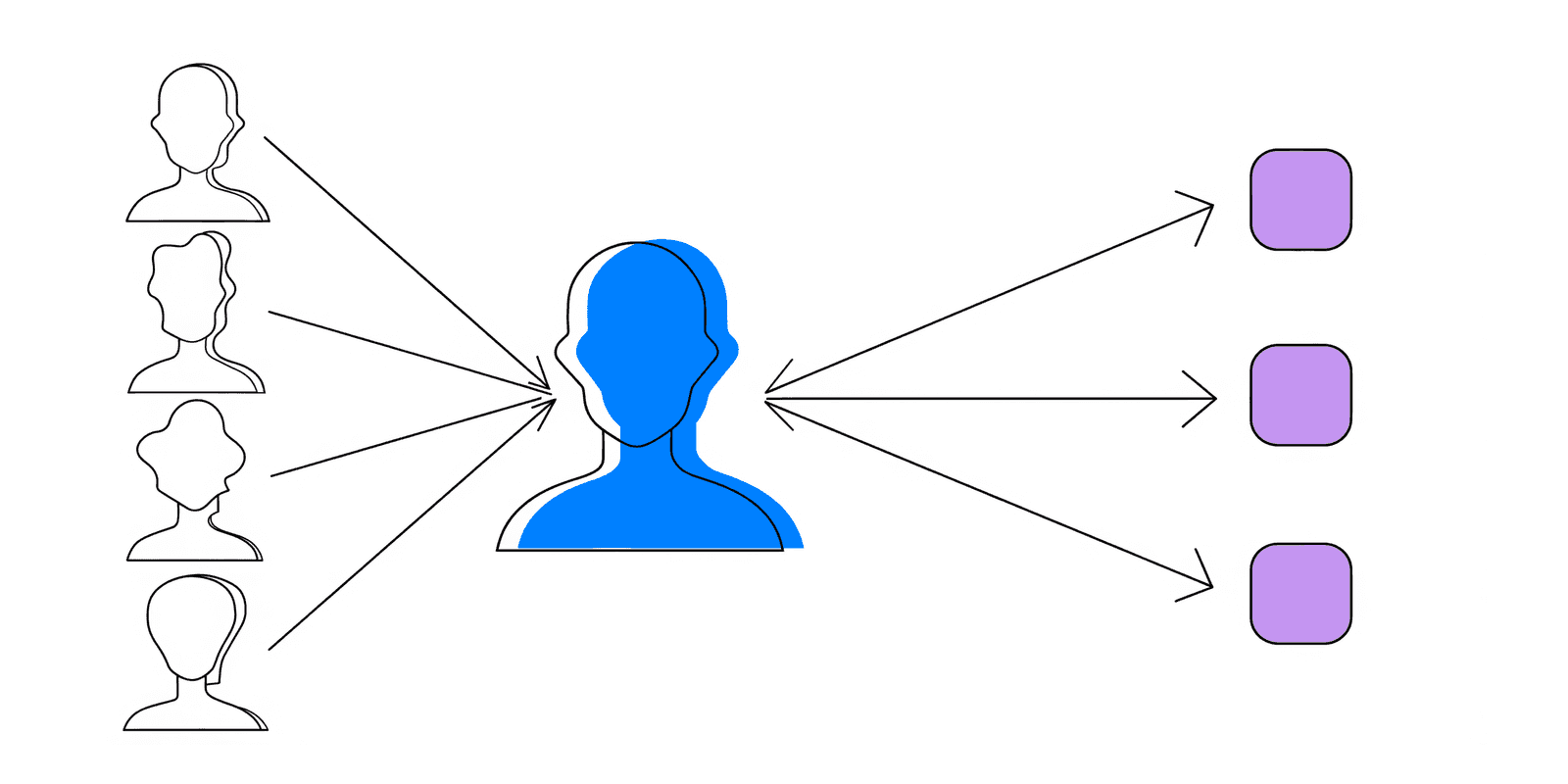
Only about 5% of B2B buyers are actively in-market at any given time - the Ehrenberg-Bass 95/5 rule. Without a real intent signal, most account-based outreach is aimed at the 95% who aren't ready yet. That's the single best "why this matters" fact in B2B marketing right now, and it's why 91% of tech marketers already lean on intent data to prioritize.
The 95/5 problem, restated in plain math
If a target list has 2,000 accounts and 5 percent are in-market at any given time, that's 100 accounts worth the rep's outbound attention right now. The other 1,900 are worth brand exposure and category education, but not a phone call this quarter. A team that doesn't sort those two piles apart pays SDR salaries to work the 95 percent, and reports a poor reply rate as a copy problem instead of a targeting problem.
First-party versus third-party intent
| Signal type | Where it comes from | Resolution | Actionability |
|---|---|---|---|
| Third-party intent | Bombora, TechTarget, G2 - research across the open web | Account-level, category-level | Directional - which accounts are researching your category somewhere |
| First-party intent | Your own site, product, email, and CRM | Person-level, event-level | Actionable - specifically who did what and when |
| Manual research | SDR spending 30 minutes per account | Deep but slow | High-quality signal, doesn't scale past 5-10 accounts per rep per week |
Third-party intent works even without stack integration - it's a report you can read. First-party intent is the layer that compounds, but it requires the integration the 43 percent don't have. That's why the median B2B team over-invests in third-party (a report they can act on today) and under-invests in first-party (a live signal that needs plumbing to activate). The integration debt is the actual blocker, not the tool choice.

The AI Marketing Campaign Generator turns a goal, audience, and budget into a real plan, a useful starting point before building the full ABM sequence.
The 8 categories, named
"8 common ABM tech categories" isn't abstract - the real named platforms cluster into intent/intelligence (6sense, Demandbase One, ZoomInfo), personalization (Mutiny), and advertising/orchestration (RollWorks, Madison Logic), with Terminus and Folloze rounding out the rest of the category. Most B2B teams run 3-5 of these in combination, not all 8, choosing based on where their specific ABM motion has the most friction - which is exactly why the sub-$10M-ARR average of 3 categories isn't under-resourced, it's most teams' realistic combination.
| Category | Named vendors | Primary job |
|---|---|---|
| Intent / intelligence | 6sense, Demandbase One, ZoomInfo, Bombora | Score accounts by in-market signal |
| Personalization | Mutiny, PathFactory | Vary the site or landing page by account |
| Advertising / display | RollWorks, Terminus, Madison Logic | Serve display and social ads to named accounts |
| Content and enablement | Folloze, Uberflip | Present a curated experience to a specific stakeholder |
| Orchestration and journey | Demandbase, Marketo, HubSpot | Coordinate the sequence across email, ads, and site |
| Attribution | Dreamdata, HockeyStack, Bizible | Tie revenue back to the ABM spend |
| Sales alignment / signal routing | LeanData, Salesloft, Outreach | Route the in-market signal to the right rep at the right moment |
| Data foundation / CDP | Segment, Rudderstack, Intempt | Stitch identity across the stack so the other seven can act |
The eighth row is the one most teams skip and then wonder why the other seven aren't producing. Without a data foundation stitching identity across email, product, ads, and CRM, every other tool ends up siloed and the 43-percent integration figure becomes the team's own reality.
A real case study: what the payoff actually looks like
Cisco shifted to intent-based programs powered by TechTarget's Priority Engine, focusing effort on accounts showing active purchase-intent signals instead of spreading budget evenly across the full target list. The result: $25 million in pipeline directly influenced (725 active-prospect deals across 14 Cisco partners in under a year). That's the concrete version of the "5% of accounts are actually in-market" stat above - Cisco's program is what it looks like when a team actually acts on that number instead of just citing it.
The integration barrier is just as real at Cisco's scale as it is for a smaller team: 82% of B2B marketing leaders say clean data, documented processes, and reliable routing are prerequisites before AI can scale at all, and data silos remain a top-cited worry. That's the same 43% integration blocker from above, restated from the leadership side rather than the practitioner side - it's not a smaller-team problem that disappears at enterprise scale, it's the same problem at a bigger dollar amount.
What Cisco actually did, in three moves
- Bought the intent signal (Priority Engine) and treated it as the sequencing input, not a supplementary report.
- Distributed the signal to 14 channel partners with a scoring rubric they could act on, not a raw feed.
- Attributed pipeline back to the intent-flagged accounts so the program had a defensible number at the next budget review, not a productivity claim.
The pattern is generalizable at any size. The only variable that scales with team size is how much of the plumbing has to be built versus bought.
Size your stack to your team
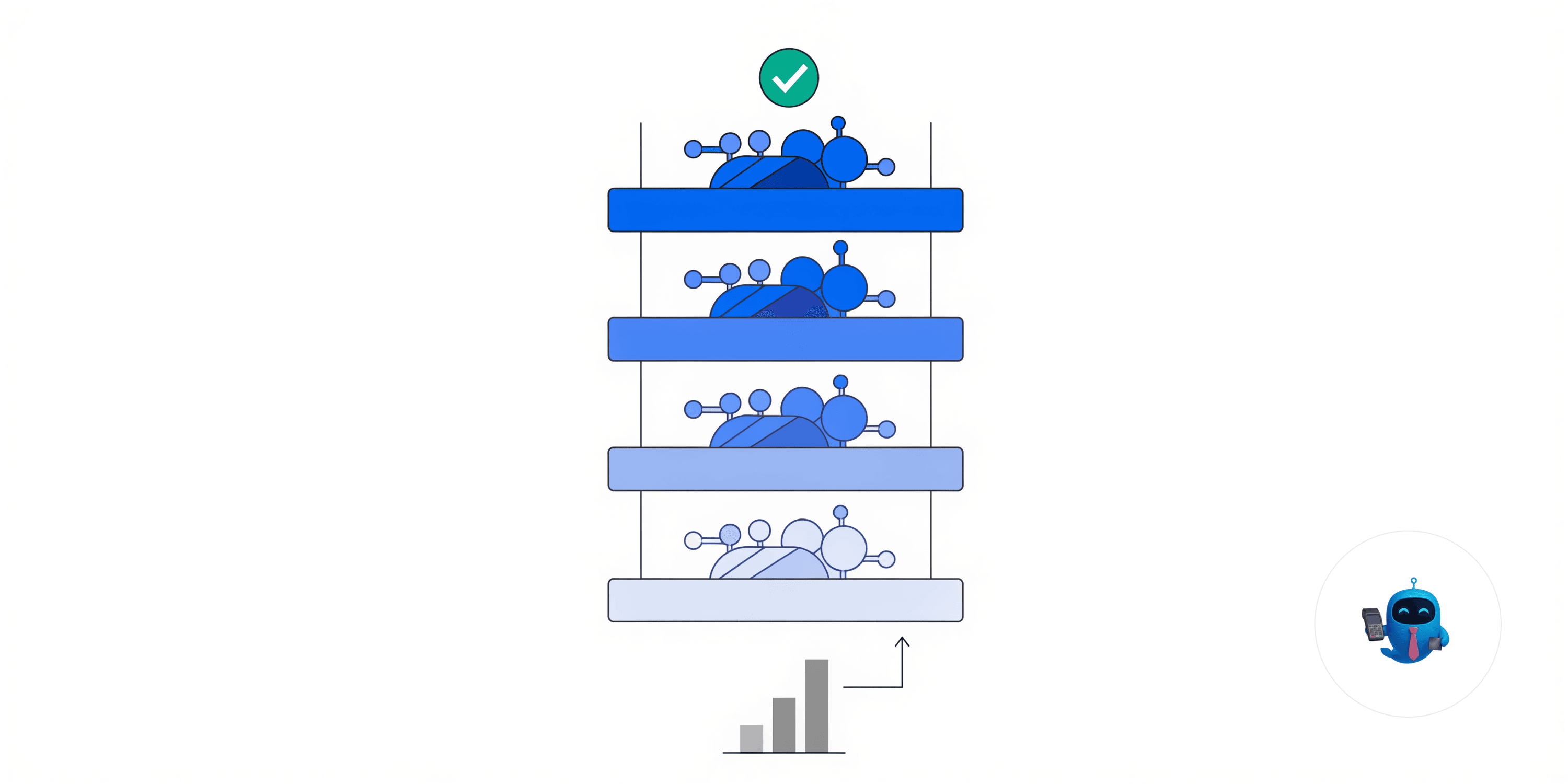
Sub-$10M ARR teams run about 3 of 8 common ABM tech categories on average; $50M+ teams run 6 to 7. A smaller team trying to run a $50M+ team's full stack isn't ahead, it's overextended. The right way to scale AI in B2B marketing is to pick the highest-impact categories, intent data and personalization first, before adding the rest.
| Team size (ARR) | Realistic category count | Prioritize |
|---|---|---|
| Sub-$10M | 3 | Intent + CDP + orchestration (email at minimum) |
| $10M to $50M | 4-5 | Add personalization and advertising |
| $50M+ | 6-7 | Add attribution, sales alignment, content curation |
| Enterprise (Cisco-scale) | 7-8, plus partner distribution | Same eight, plus a partner-signal-distribution layer |
The trap at the smaller end is trying to run five vendors on a two-person marketing team with no data foundation. The trap at the larger end is running seven and calling the integration debt a technology problem when it's a headcount problem.
Why the 43 percent integration gap doesn't fix itself
The 43 percent integration figure has been reported at roughly the same level for three years. It isn't shrinking, because the underlying causes are structural, not technical. Vendors have zero incentive to make integration easier (the harder it is, the stickier the seat), and the marketer buying the tool is not the same person maintaining the pipe. Every new AI point tool arrives with an API, and the API sits idle because there's no headcount to wire it in.
- Vendor incentives point away from integration. A hard-to-integrate tool is a tool nobody rips out.
- The marketer buys the tool; ops or engineering maintains the pipe - and ops doesn't get the budget win.
- Every point tool has its own identity schema. Reconciling ten schemas is a full-time job, and nobody has that job on a small team.
- The data foundation category (CDP row above) is the least-glamorous line item in the ABM budget - it wins nothing in the trade press, so it gets skipped.
- AI capability advances faster than integration standards, so the gap keeps re-opening even for teams that closed it once.
What AI in B2B marketing does not do
The contrarian close on adoption stories: the tool is the smaller variable. The team, the plumbing, and the willingness to act on the signal are the larger ones. AI can score the account, personalize the page, and route the signal, but if nobody's job is to act on the flagged account within 24 hours, the signal decays into noise.
- It does not fix a bad ICP. A better model of the wrong accounts is still the wrong accounts.
- It does not close the deal. Intent surfaces the account; the AE closes it.
- It does not survive without an owner. AI programs have the same failure mode as conversation-intelligence rollouts: no owner, no adoption, six months in it's shelfware.
- It does not integrate itself. The 43 percent figure is the honest ceiling until a team pays the plumbing bill.
- It does not compress the buyer's cycle. Buyers move at their own pace; better targeting reaches them faster, it doesn't make them decide faster.
The short version
AI in B2B marketing stopped being an adoption story and became an execution story. Ninety-six percent use AI. Forty-three percent can't connect it. Ninety-one percent bought intent data. Cisco pointed at the same problem and translated it into $25 million in pipeline by treating intent as the sequencing input, not a supplementary report. Every other team can copy that pattern at their own size, but only after paying the plumbing bill the trade press does not celebrate.