

- The honest answer to "will AI replace marketers" for lifecycle and retention work is augmentation, not replacement. AI drafts the save flow and sizes the referral incentive. Humans still set the discount ceiling.
- The gtm-skills Lifecycle Marketer pack covers the full retention motion in 7 skills: base segmentation, journey design, repeat-purchase auditing, churn saves, honest promo measurement, and referral programs.
- Install the 7 skills or route the same logic through Intempt's Lifecycle Marketer agent.
"Will AI replace marketers" gets searched often enough to measure - not a huge number, but real, and it's the only marketer-specific version of that question with any measurable volume at all. Most other phrasings return close to zero. So take it seriously instead of dismissing it, and answer it specifically for the part of marketing this pack covers: lifecycle and retention.
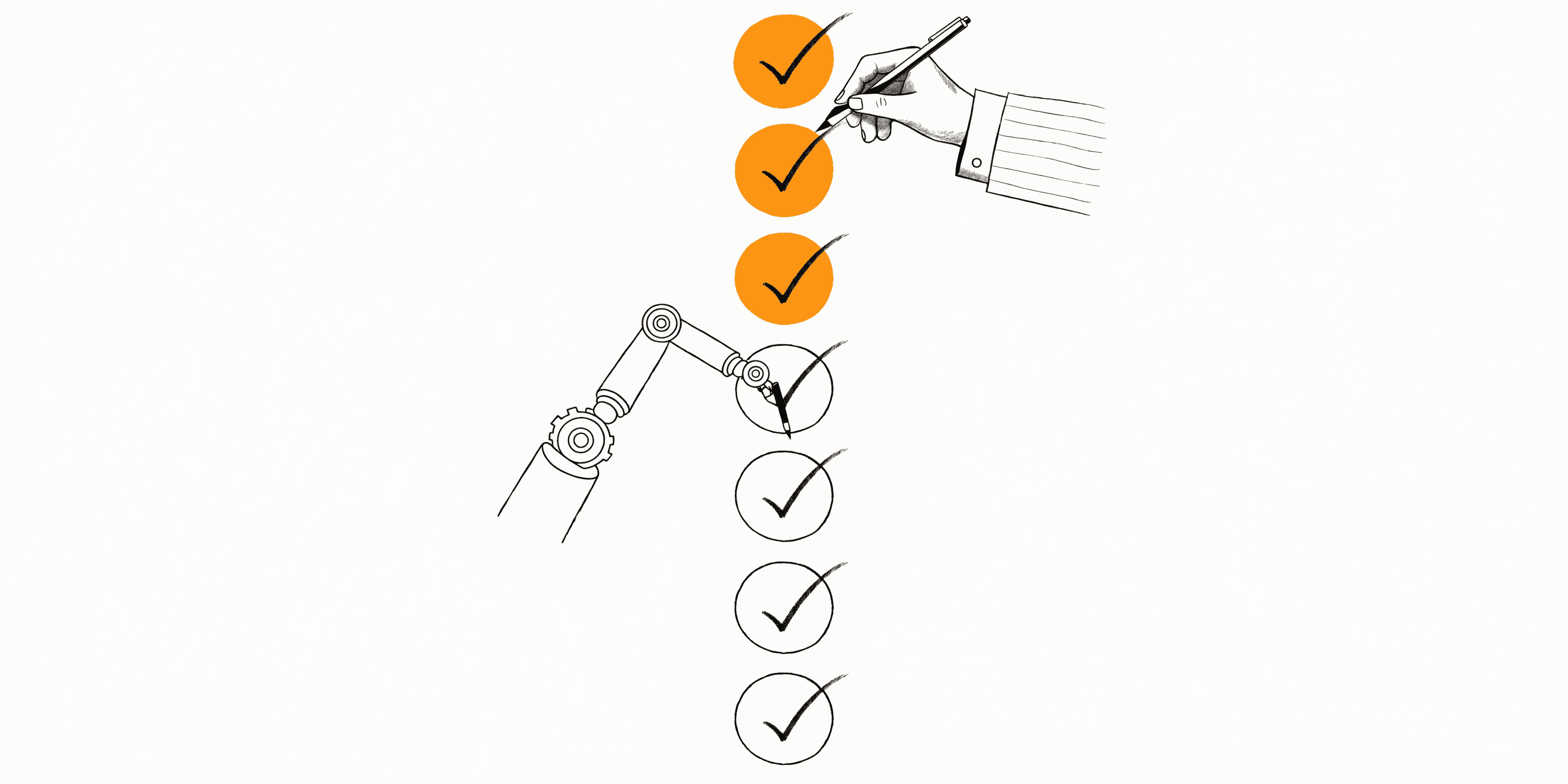
Here's the honest answer. AI can draft a lifecycle segment, a save flow, or a referral program structure in minutes. It can't decide what a customer is worth to your business, what discount you're willing to concede to keep one, or what compliance actually requires in your jurisdiction. That's the split this whole pack is built around: AI does the structure, a person owns the numbers and the sign-off.
Quick summary
- gtm-skills' Lifecycle Marketer pack covers the full retention motion in 7 skills.
- The-referral-architect designs a customer referral program: trigger, priced incentive, tiers, and anti-abuse rules. It's the natural companion to the-save-desk - one keeps customers, the other turns happy customers into a growth channel.
- All 7 are free and MIT-licensed. Install once with npx skills add sidchaudhary/gtm-skills.
How to install these in about 60 seconds
- Run npx skills add sidchaudhary/gtm-skills.
- Create a Claude project per skill - "Referral Architect," "Save Desk."
- Paste the skill's SKILL.md into the project instructions.
- Start a chat with your inputs - segment criteria, a journey trigger, a churn signal, a referral moment.
The 7 skills
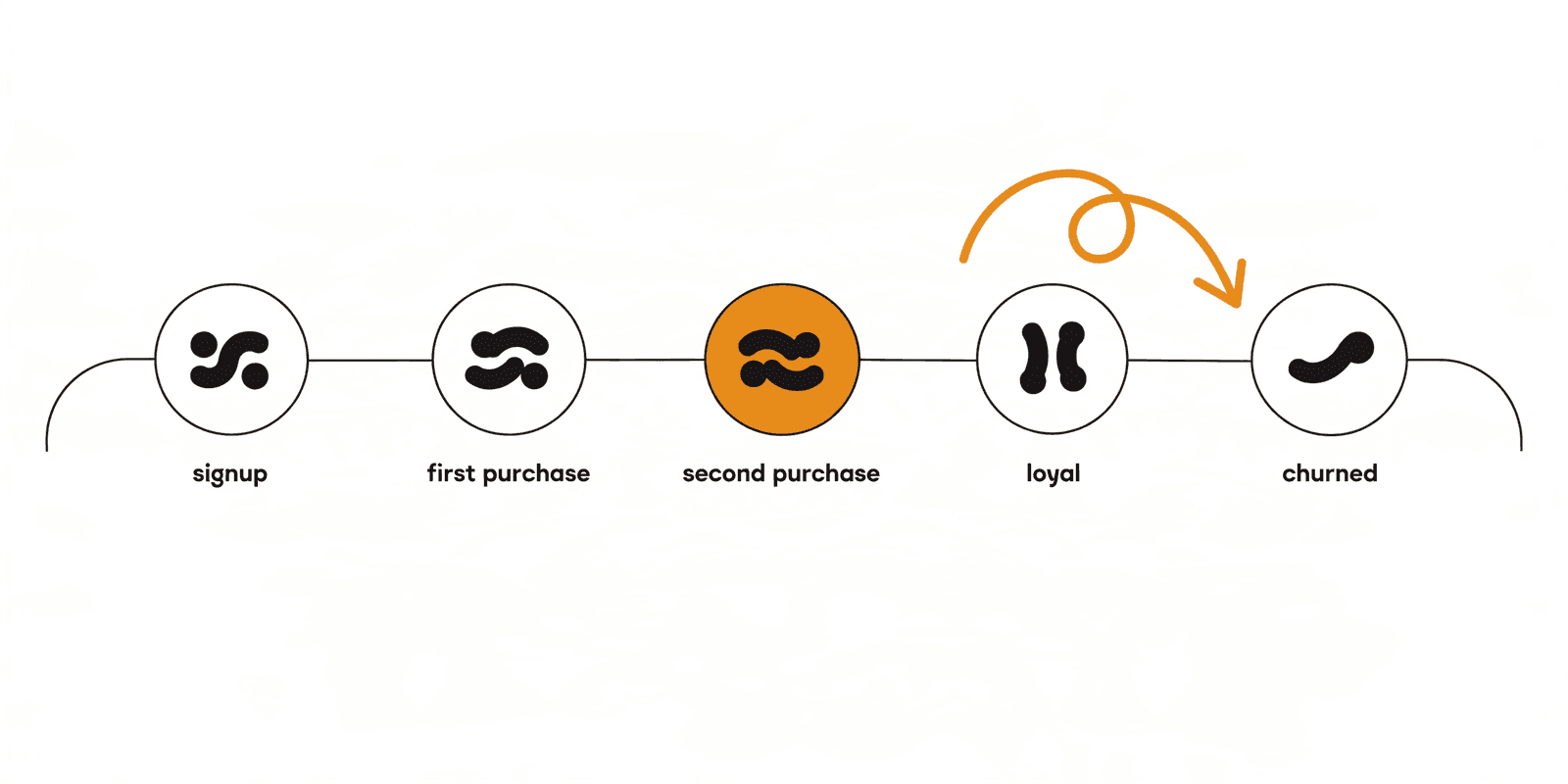
7 skills covering the full lifecycle motion: segmenting a base, designing multi-channel journeys, auditing a leaking post-first-purchase flow, saving customers about to churn, measuring what a promo actually did, and turning happy customers into a referral channel.
| Skill | What it does |
|---|---|
| The Lifecycle Mapper | Segments customers with RFM scoring and behavioral signals across 6 lifecycle stages |
| The Flow Architect | Designs branching multi-channel journeys with holdout groups and channel guardrails |
| The Campaign Engine | Designs a lifecycle campaign end to end - email, SMS, and push sequencing with deliverability and consent gates, one-time or recurring |
| The Repeat Purchase Check | Audits an existing post-first-purchase flow and names what's blocking the next order |
| The Save Desk | Builds cancel flows, dynamic save offers, churn risk scoring, and dunning sequences |
| The Promo Impact Check | Measures whether a promo added real profit or just pulled demand forward |
| The Referral Architect | Designs a referral program: trigger moment, priced incentive, reward tiers, anti-abuse rules |
1. The Lifecycle Mapper
Builds lifecycle segments with RFM scoring, behavioral signals, and filter logic across 6 lifecycle stages. This is the input every journey, campaign, and save flow downstream needs - build it first. Read the skill.
2. The Flow Architect
Designs multi-channel journeys with conditional branching, holdout groups, and channel guardrails - for onboarding, retention, and win-back automation. Read the skill.
Try the Customer Journey Generator free - describe a trigger and a goal, get a draft journey back. Same structure the-flow-architect designs by hand, no install required to test the thinking.
3. The Campaign Engine
Designs a lifecycle campaign end to end and decides whether it runs once or forever: email sequences with subject variants and deliverability gates, SMS and push with carrier registration and consent gates, and the recurring version of either with a cadence matched to how fast its signal actually moves. The-flow-architect designs the journey structure it sits inside. This one writes the messaging. Read the skill.
4. The Save Desk
Designs cancel flows, dynamic save offers, churn risk scoring, and dunning sequences for failed payments - built to reduce churn systemically, not to win back one gone-dark account at a time. Read the skill.
5. The Referral Architect
Designs a customer referral program: a trigger moment tied to a real lifecycle signal, a two-sided incentive sized against actual customer value with the math shown, reward tiers, and anti-abuse rules specific to the incentive type. This is the one gap almost every AI-skills researcher flags when they look at a retention-focused pack: the missing growth-via-existing-customers side. The-save-desk covers keeping a customer. Nothing covered turning a kept customer into new pipeline. Now something does. Read the skill.
6. The Repeat Purchase Check
Audits the post-first-purchase flow you already have - reorder prompts, replenishment timing, second-purchase incentives - and names exactly what's blocking the next order. For when repeat purchase rate is flat and you don't know which stage is leaking. It audits existing flows against a fixed set of reorder stages; the-flow-architect is the one that designs a new journey from scratch. Read the skill.
7. The Promo Impact Check
Builds a promotional campaign per channel from what's actually working in the market for similar products, and measures whether a promotion that already ran added real profit or just pulled demand forward, using a stated baseline-versus-promo-versus-recovery window comparison. Run it to design a promo before launch, or after one ends, when a promo calendar is about to repeat, or when revenue rose but profit stayed flat. It designs and measures time-boxed promotions; standing pricing tiers are the-price-point-finder. Read the skill.

| The Save Desk (retention) | The Referral Architect (acquisition) | |
|---|---|---|
| Job | Keeps a customer who's about to leave | Turns a staying customer into new pipeline |
| Trigger | Churn risk signal, cancellation intent, failed payment | Renewal, milestone, or high-satisfaction moment |
| Output | Save offer, cancel flow, dunning sequence | Priced incentive, reward tiers, anti-abuse rules |
| Shared input | Segments from the-lifecycle-mapper | Segments from the-lifecycle-mapper |
| Stays human | The actual discount ceiling | The actual reward amount |
The order to build them in
The-lifecycle-mapper always comes first - nothing else in the pack works without segments to target. Add the-flow-architect once segments exist so journeys have a real audience. Run the-repeat-purchase-check before rebuilding anything - a mistimed reorder prompt is a one-line fix a rebuild would have buried. Bring in the-save-desk once churn is a number you're tracking, not just a feeling, and pair it with the-referral-architect right after - one plugs the leak, the other opens a new channel from the customers who didn't leak. Use the-promo-impact-check after every promo, before the next one.
What to never hand over
The actual discount ceiling on a save offer, and the actual reward amount on a referral payout. Both skills design the structure - the trigger, the tiers, the math showing what an incentive costs against what a customer is worth. But the real dollar figure you're willing to spend to keep or acquire a customer is a business call. A person approves the spend; the skill never does.
Free tools if you want to try the thinking without installing anything
- Customer Journey Generator
- Email Deliverability Checker
- Marketing Campaign Generator
- Marketing Plan Generator
- Newsletter Generator
When you outgrow the manual version
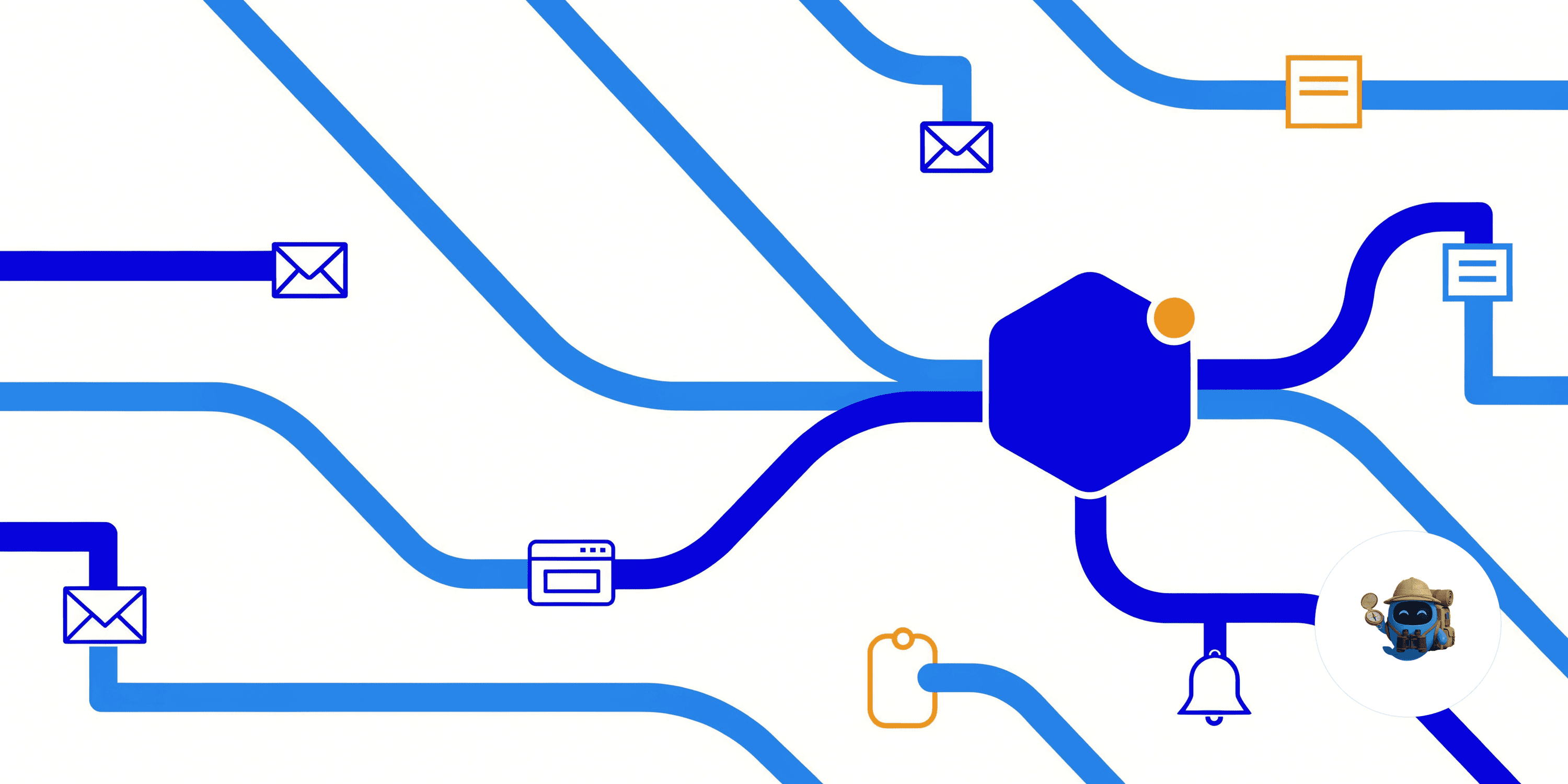
Intempt's Lifecycle Marketer agent runs this same job continuously: describe a trigger and a goal, and it builds the full journey in one turn - steps, delays, branches, channel, content - then reports step-by-step conversion against real behavior data. Same jobs these 7 skills cover, running against your live customer base instead of the segment you exported once.
Frequently asked questions.Answered.
- Yes. A generic widget gives every user the same flat reward regardless of when they're asked or what they're worth. The-referral-architect ties the ask to a real lifecycle signal (a renewal, a milestone, a high-satisfaction moment), sizes the two-sided incentive against actual customer value with the math shown, builds in tiers, and adds anti-abuse rules specific to the incentive type - not a copy-paste widget config.