


- Lifecycle marketing fails quietly. The flows send, the numbers stay flat, and nobody can point to which stage is leaking because it is all measured as one blended email revenue figure.
- These 7 free MIT-licensed Claude Code skills break the motion into named stages: segment, journey, campaign, save, repeat, refer. Ordered so you know which one earns its install first.
- Start with the-lifecycle-mapper. Audit before you architect. Do not skip the referral half.
The lifecycle team's Monday looks the same across most companies. Open the ESP, look at yesterday's blended email revenue, note it moved half a percent, and go back to writing the next campaign. The flows exist. The numbers look flat. Nobody can point to which stage is leaking because the whole motion is measured as one number, and one number can't tell you whether the welcome series is broken, the second-purchase window is empty, or the win-back is aimed at customers who never had a chance.
The best Claude skills for lifecycle marketing break the motion into the stages it actually has - segment, journey, campaign, save, repeat, refer - and give each one a method with a defined output. "Retention is bad" becomes "the reorder prompt fires 60 days too late," which is a thing you can fix this week instead of a rebuild you'll present in Q3. The pack in this post covers the full lifecycle: 7 skills, MIT-licensed, ordered so the audit step comes before the architect step.
For context on the ceiling here, Klaviyo's 2024 benchmarks put the median flow revenue at roughly 30 percent of total email revenue for ecommerce - meaning 70 percent still comes from broadcast blasts that ignore lifecycle stage entirely. And HubSpot's 2024 State of Marketing report found improving customer retention is a top-three priority for 82 percent of marketers, but only a third have a defined process for the second-purchase window. For a broader tour of the tooling around it, see best marketing automation tools for GTM teams. For the primitive-layer explainer covering every pack, see the hub: Claude Code skills: what they are and which ones earn their install.
What is a Claude skill
A Claude skill is a versioned SKILL.md file with a stated method: the inputs it asks for, the framework it applies, and the shape of the output it returns. You install a pack once with npx skills add sidchaudhary/gtm-skills/skills/lifecycle-marketer, restart Claude Code, and every skill in the folder is available by name. Two lifecycle marketers running the same skill get the same output shape - segment definitions mapped to lifecycle stages, a multi-channel journey blueprint with triggers and branches, a scored save-desk design with churn risk tiers - so the work stops drifting between sessions and between people.
Why lifecycle marketing teams need Claude skills now
Lifecycle work is a stack of specialized jobs pretending to be one job. Defining segments, designing flows, writing subject lines, tuning SMS quiet hours, scoring churn risk, sizing referral incentives - each is its own discipline, and most teams have one lifecycle marketer covering all of them. The strategy layer keeps getting compressed into whatever time is left after the send calendar goes out on Friday.
Recharge's subscription retention research has consistently shown that the biggest retention lever in ecommerce isn't a save offer at cancel - it's the second-purchase window, and most brands don't have a dedicated prompt in that window at all. That's the shape of the problem across most teams: the flows they have are aimed at the stages they already noticed, and the leaking stage is the one nobody wrote a skill for.
Claude skills fix this at the task level. You do not replace the lifecycle marketer. You give them a segment definition they can defend, a flow blueprint that inherits their compliance rules, and a repeat-purchase audit that names the specific stage that's blocking the second order, so the strategy layer stops being the thing that gets cut.
The skills that move the needle here are the ones that answer three questions faster:
- Who are we actually talking to, and how big is that segment?
- Is the flow that exists broken at a specific stage, or is the strategy the problem?
- Did that promo add profit, or just pull demand forward from next month?
Install the pack in about 30 seconds
One command pulls all 7 Lifecycle Marketer skills into your project's .claude/skills/ folder. Restart Claude Code afterward - skills load at startup, so a running session won't see them.
npx skills add sidchaudhary/gtm-skills/skills/lifecycle-marketer

# restart Claude Code, then confirm:
# "What lifecycle skills do you have?"You can install a single skill instead by appending its folder name, e.g. .../skills/lifecycle-marketer/the-lifecycle-mapper. The pack install is the better default because these skills reference each other by stage - the-flow-architect builds against the segments the-lifecycle-mapper defines, and the-referral-architect sizes incentives against the margin work the Data Analyst pack produces.
7 best Claude skills for lifecycle marketing
1. the-lifecycle-mapper
Takes a specific business question - who is churning, who is ready to upsell, who needs re-engagement - plus the events and attributes your product actually tracks, and returns segment definitions mapped to a 6-stage lifecycle model with RFM scoring. It deliberately doesn't invent a headcount per segment; you run the sizing yourself against the method it gives you. That refusal is on purpose: a perfectly-defined segment that turns out to hold 40 people doesn't justify a five-email journey, and the skill won't guess that number for you.
When to use: Before designing anything. Broadcast sends are landing with the wrong people and one-off list pulls aren't holding up over time.
How to run:
You: "Run the-lifecycle-mapper. Question: who is about to churn?
      We track orders, sessions, email opens, plan tier."

Claude: -> segment definitions mapped to lifecycle stages
        -> the rule that defines each segment
        -> how to SIZE each one (% of base, cohort, lookup)
-> deliberately no invented headcountsBest used with: A specific business question, not "segment my users." The skill returns better segments when the question is narrower.
Where this skill hits its ceiling: Definitions, not counts. If you need real segment sizes, you run the sizing method against your warehouse - the skill won't do it for you on purpose.
With Intempt: Segments defined here map directly to Intempt's lifecycle workflows, so the segment definition and the send infrastructure share one source of truth instead of drifting between your ESP and your data warehouse.
2. the-repeat-purchase-check
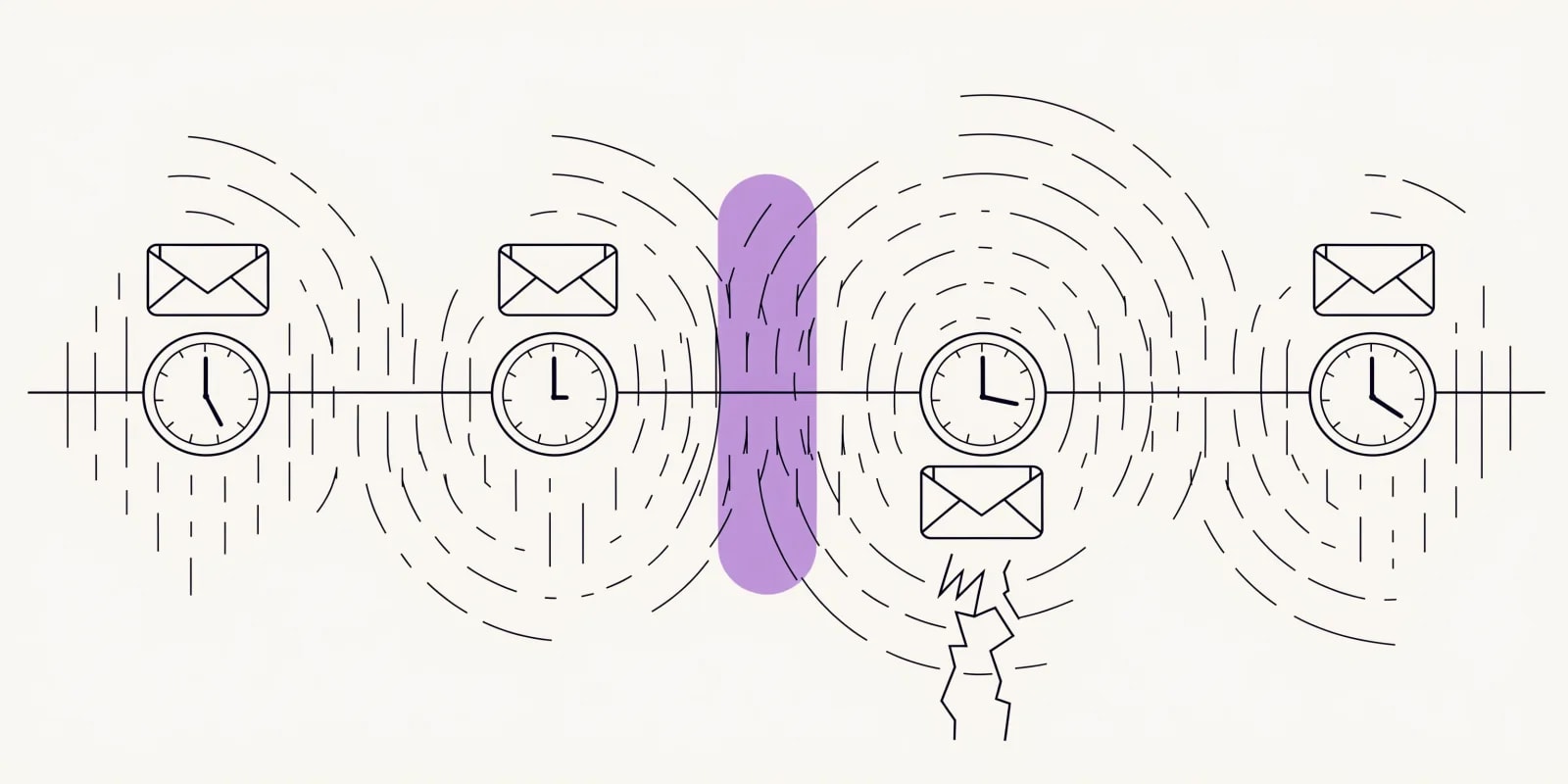
Reviews your existing post-first-purchase flow - reorder prompts, replenishment timing, second-purchase incentives - against a fixed set of stages and names what's actually blocking the next order. Almost always cheaper than a rebuild. This is the audit skill you reach for before you touch the-flow-architect, because a mistimed reorder prompt is a one-line fix that a new journey would have buried.
When to use: First-purchase customers aren't coming back, and nobody's reviewed the flow that's supposed to bring them back.
How to run:
You: "Run the-repeat-purchase-check.
      Flow: welcome D+0, thank-you D+3, review request D+14,
            reorder prompt D+90.
      Median second-order timing in our data: D+42."

Claude: -> stage-by-stage audit of the existing flow
        -> named blocker (e.g. reorder prompt fires 60 days too late)
-> specific fixes ranked by impactBest used with: Screenshots or a written description of your current post-purchase flow, plus your actual second-order timing from your data. Without both, it's guessing.
Where this skill hits its ceiling: It audits an existing flow. If there's no flow at all, that's the-flow-architect's job, not this one.
With Intempt: Repeat-purchase audits run continuously against live behavior data rather than a one-time paste of your current flow.
3. the-flow-architect
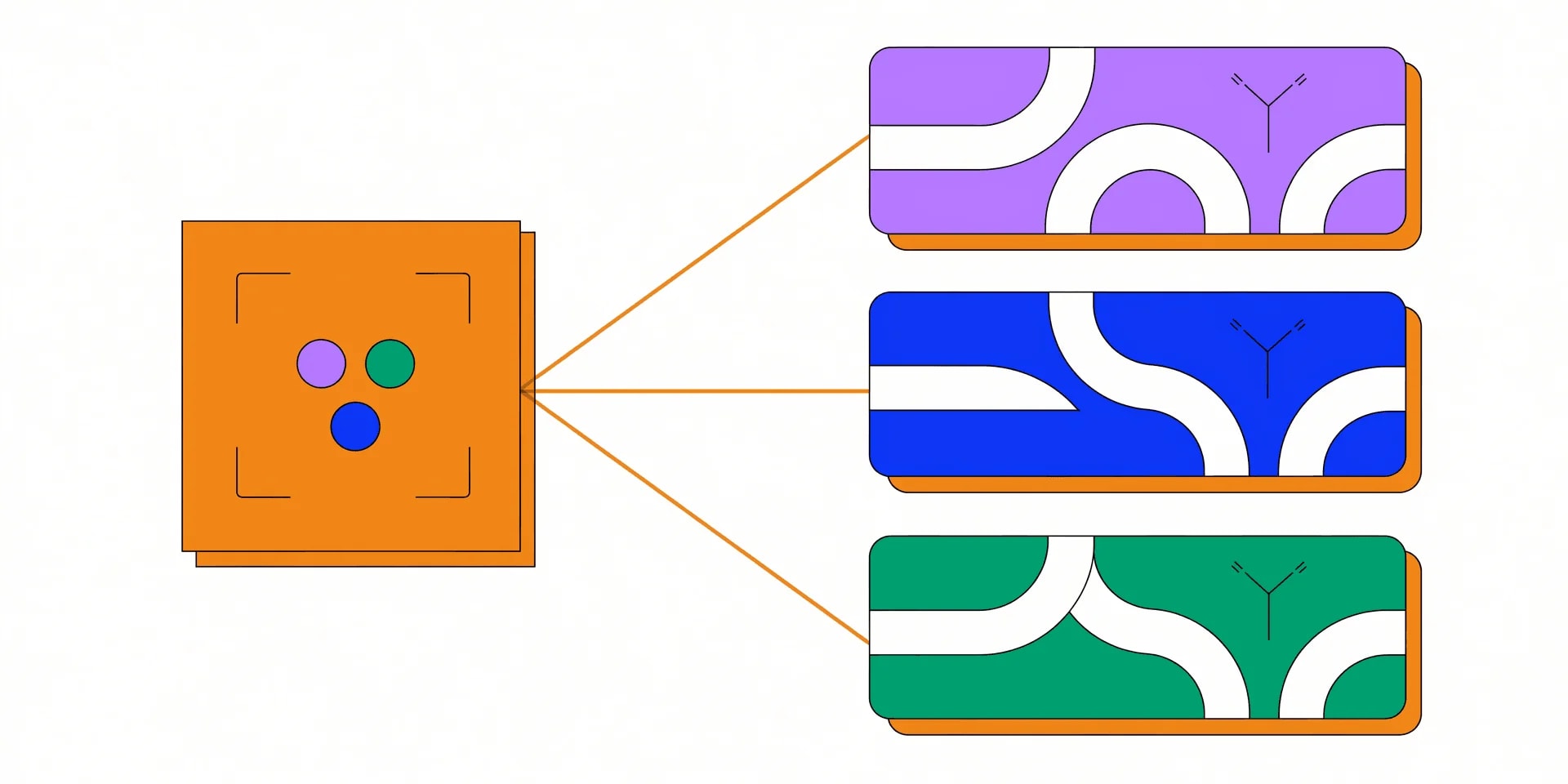
Designs a new multi-channel automation journey from scratch: triggers, delays, branches, channels, holdout groups. Reads the segment definitions from the-lifecycle-mapper if you've run it, so the journey is built against a real segment instead of a vibe. Includes channel guardrails - which stages get email, which get SMS, which get push - so you're not deciding it inline.
When to use: Users need different paths based on behavior, and manual campaign lists can't cover the branching. Not when a flow already exists at that stage - that's the-repeat-purchase-check.
How to run:
You: "Run the-flow-architect.
      Segment: at-risk from the-lifecycle-mapper output.
      Goal: reactivate before D+120 inactivity.
      Channels available: email, SMS (opted-in only)."

Claude: -> journey structure (triggers, delays, branches)
        -> channel-per-stage recommendation
        -> holdout group definition
-> exit criteria and re-entry rulesBest used with: A defined segment. The architect designs paths for a group; without a group definition, it defaults to a generic journey that fits nobody in particular.
Where this skill hits its ceiling: Blueprints, not copy. The-campaign-engine writes what goes inside each step; this one draws the map.
With Intempt: Journey blueprints designed here plug into Intempt's marketing workflows as executable flows rather than a diagram somebody has to translate into your ESP by hand.
4. the-campaign-engine

Runs the campaigns inside a journey: subject line variants, personalization, send timing, plus the SMS and push touches when the flow needs a second channel. Meant to sit inside a flow designed by the-flow-architect rather than stand alone as a broadcast.
When to use: Open and click rates are trending down, or the flow needs a second channel and the copy has to fit the medium.
How to run:
You: "Run the-campaign-engine.
      Stage: 30-day re-engagement in the at-risk journey.
      Channels: email + SMS (opted-in only).
      Offer: 15% off next order, one product recommendation.
      Voice profile: paste from .agents/product-context.md."

Claude: -> subject-line variants + scoring rationale
        -> full email body with personalization
        -> SMS variant fitting character limit + quiet-hour rules
-> send-time recommendation with reasonBest used with: A specific stage in a specific flow, and a voice profile from the Brand Designer pack. Generic "write me a re-engagement email" produces generic re-engagement email.
Where this skill hits its ceiling: One campaign per run. Full-flow copy in a single pass is a chain of runs, not one call.
With Intempt: Campaigns are A/B tested inside the platform against real segments rather than picked on gut feel, so the winner is measured.
5. the-save-desk
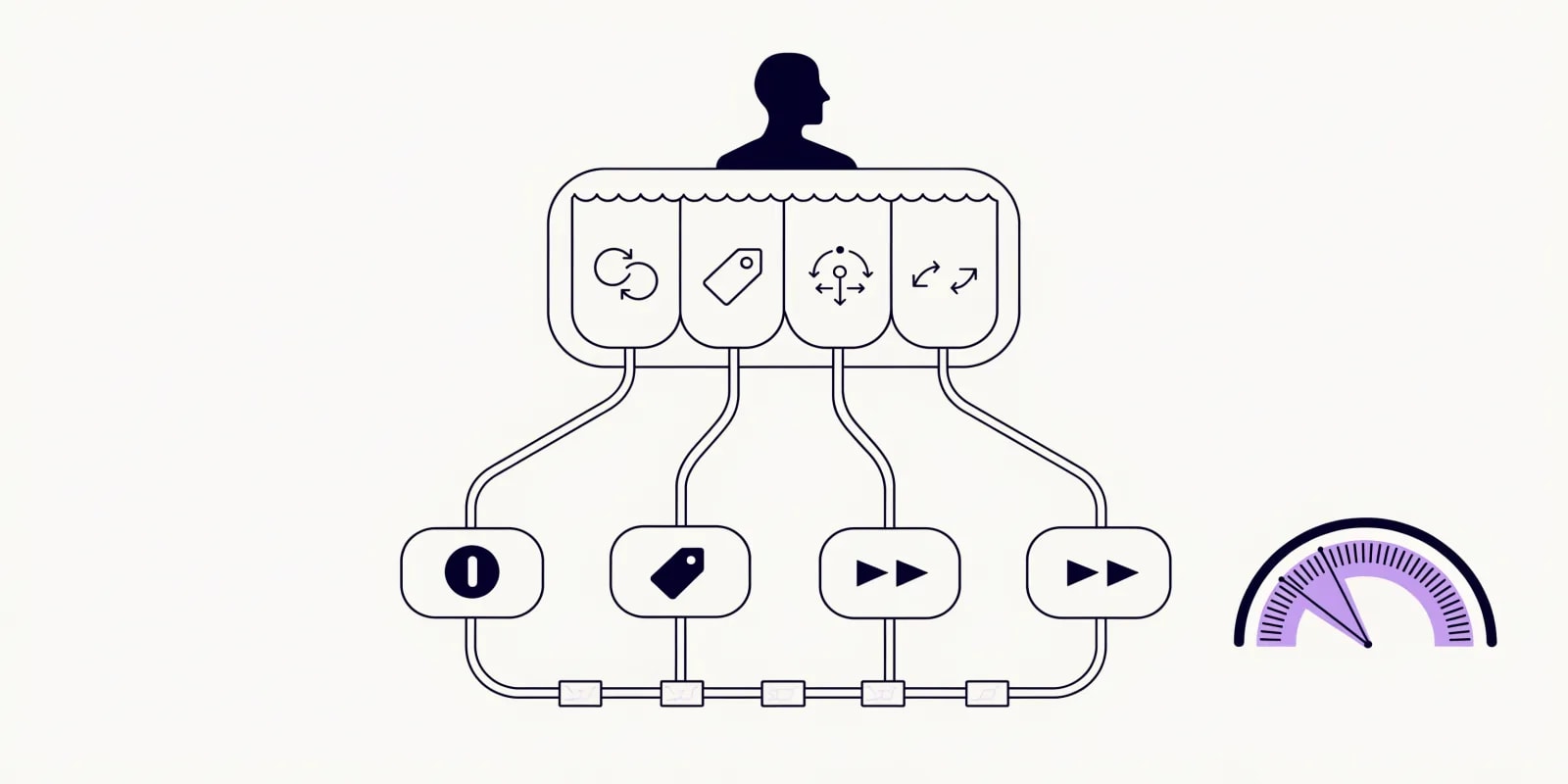
Designs the retention machinery: cancel flow, save offers, churn risk scoring, dunning sequences for failed payments. For subscription and delivery-cycle products, it also covers pause/skip as an alternative to full cancellation, and frequency mismatch as a churn cause - not every churn is a value churn, and offering a discount to someone who cancels because deliveries were too frequent is money set on fire.
When to use: Monthly churn is trending up, and cancellations are one-click with nothing catching them on the way out.
How to run:
You: "Run the-save-desk.
      Product: monthly coffee subscription.
      Cancel reasons currently tracked: too much coffee, price,
        found alternative, moving.
      Current save flow: none."

Claude: -> cancel flow: reason picker, branch per reason
        -> save offer per branch (pause vs discount vs skip)
        -> churn risk scoring inputs and thresholds
-> dunning sequence for failed paymentsBest used with: Your actual cancel-reason data if you track it. Without it, the skill designs a generic cancel flow instead of one aimed at your real churn drivers.
Where this skill hits its ceiling: It designs the machinery. Sizing the discount inside the save offer is a margin question that needs contribution margin from the Data Analyst pack - a save offer that's generous relative to your CM2 costs you money per save.
With Intempt: Save flows execute against live churn risk scores rather than a snapshot pulled at flow design time, so the offer shown at cancel reflects the customer's current risk, not last month's.
6. the-promo-impact-check

Builds a promotional campaign per channel from what's actually working in the market for similar products, and measures the after-the-fact impact of one that's already run - lift, margin cost, and the post-promo dip - over a stated recovery period. Uses a baseline-vs-promo-vs-recovery window rather than just "revenue during the promo," because a promo that pulled demand forward from next month is not incremental, it's a timing shift with a margin cost attached.
When to use: Designing a promo and want it grounded in live market activity, or a promo just ran and nobody's checked whether it actually made money once the post-promo dip is counted.
How to run:
You: "Run the-promo-impact-check.
      Promo: 20% off sitewide, Nov 15-22.
      Baseline window: Oct 15-Nov 14.
      Recovery window: Nov 23-Dec 22.
      Revenue and orders per day for all three windows: [paste]."

Claude: -> lift during promo (vs baseline)
        -> margin cost of the discount
        -> post-promo dip (vs baseline, over recovery window)
-> net incremental revenue (or the honest "pulled forward")Best used with: A defined baseline and recovery window. Comparing a promo to "last year" or "vibes" isn't a comparison the skill can compile against.
Where this skill hits its ceiling: It measures one promo. Building a promo calendar that avoids pull-forward across multiple runs is a cadence question, not a measurement one.
With Intempt: Promo impact checks run continuously across the calendar so the next promo is scheduled against what the last one actually did, not what it looked like on day one.
7. the-referral-architect

Designs a customer referral program: trigger moment, two-sided incentive sized against real customer value, tiers, and anti-abuse rules specific to the incentive type. The retention half of the pack keeps a customer; this one turns a kept customer into new pipeline. It's the half that usually gets skipped, and the reason most retention setups plateau at "we kept them" instead of "they brought us more."
When to use: Growth is entirely paid-acquisition-driven, and happy existing customers aren't being asked to bring in new ones. Referral program benchmarks from Extole and ReferralCandy consistently show referred customers convert 3-5x higher than paid channels and churn less - and yet most brands still don't run a program.
How to run:
You: "Run the-referral-architect.
      Product: DTC skincare, $60 AOV, 40% CM2.
      Trigger moment: after 2nd purchase (repeat customers only).
      Existing program: none."

Claude: -> trigger moment + rationale
        -> two-sided incentive sized against CM2
        -> tier structure (Give-Get, Milestone, VIP)
-> anti-abuse rules specific to the incentive typeBest used with: A real contribution margin figure from the Data Analyst pack's the-margin-stack. Referral incentives sized against a competitor's offer instead of your CM2 lose money per referral.
Where this skill hits its ceiling: It designs the program. Building the referral landing page, the share flow, and the reward-redemption UX are separate jobs - the skill produces the spec, not the pages.
With Intempt: Referral programs run inside the same lifecycle workflows as retention, so the trigger moment (second purchase, milestone hit, NPS response) fires without you re-wiring your ESP.
Comparison: which Claude lifecycle skill to use when
| Skill | Best moment to use | Time saved | What you get |
|---|---|---|---|
| the-lifecycle-mapper | Before designing any journey | Every downstream skill run | Segment definitions + sizing method |
| the-repeat-purchase-check | When first-purchase repeat rate is flat | 1-2 days per audit | Stage-by-stage audit + named blocker |
| the-flow-architect | When no journey exists for a stage | 1-2 days per flow | Multi-channel journey blueprint |
| the-campaign-engine | When open/click rates are trending down | 45-60 min per campaign | Scored variants + email/SMS copy |
| the-save-desk | When churn is trending up | 2-3 days per cancel-flow rebuild | Cancel flow + save offers + risk scoring |
| the-promo-impact-check | After every promo, before the next one | Half a day per promo | Lift, margin cost, honest post-promo dip |
| the-referral-architect | When growth is 100% paid acquisition | 1-2 weeks per program design | Trigger + two-sided incentive + anti-abuse |
Free Intempt tools that pair with these skills
Browser-based, sit behind free-plan signup, produce quick outputs you can feed back into the skills above.
- Churn risk calculator: A quick per-account churn risk score to compare against the tiers your save-desk design uses.
- Ad copy generator: Angle-first ad copy for the paid half of your lifecycle spend, sized against the audiences the-lifecycle-mapper defines.
- Newsletter generator: First-pass newsletter drafts you can hand into the-campaign-engine before the engine does angle assignment and cadence.
What to look for in a Claude skill for lifecycle marketing
Not every lifecycle prompt is worth wrapping in a skill file. The ones that stick share four traits.
Refuses to guess numbers. The-lifecycle-mapper won't invent segment sizes; the-promo-impact-check won't skip the recovery window. A skill that agrees with itself on made-up figures is worse than a chat prompt, because you'll trust it more.
Audit before architect. The instinct is always to build a new journey. Any pack worth its install has an audit skill (the-repeat-purchase-check) that catches the case where the existing flow just needs a one-line fix.
Compliance as design input. SMS and push copy inside the-campaign-engine respects consent rules, quiet hours, and frequency caps by default. Skills that treat compliance as a review step after the fact end up requiring a redesign, not a check.
Closes the loop to growth. Retention that stops at "keeping the customer" leaves the referral half on the table. A lifecycle pack without a referral skill is a pack that ends where the growth story starts.
Final thoughts: which skill to install first
Start with these three, in order:
- the-lifecycle-mapper: every other skill in the pack works better with a real segment definition. Skip it and you're designing journeys for a base that behaves like five different bases.
- the-repeat-purchase-check: audit before you architect. A mistimed reorder prompt is a one-line fix that a rebuild would have buried.
- the-referral-architect: the missing half. Retention that doesn't close the loop back to new pipeline is a plateau, not a motion.
For what AI changes in the lifecycle job itself, see will AI replace marketers. If you want the wider tooling picture around lifecycle, see best marketing automation tools for GTM teams. And if you'd rather run the same jobs against live customer data than paste inputs by hand every Monday, start for free on Intempt - the same skill definitions run continuously against your real base instead of a snapshot.