

- Best-practice generative AI in 2026 isn't a responsibility pledge. It's a stack: multi-stage human review, brand-safety scanning against the GARM dirty dozen, and prompt logging per asset.
- 92 percent of Fortune 500 marketing teams run at least one generative AI workflow in production, up from 51 percent in early 2024. Only 17 percent have written guardrails. Nike, Coca-Cola, and H&M all took public hits in the last year.
- Unify first-party data before generation. The fix isn't a newer model.
"Use AI responsibly" is the advice every marketing team has heard and almost none has been given specifics for. The real 2026 best practice generative AI framework is concrete: multi-stage human review, automated brand-safety scanning, and models fine-tuned on your own brand guidelines, not a vague responsibility pledge.
The State of Generative AI in Marketing, 2026
Adoption is no longer the story. Guardrails are.
| Metric | Number | Source |
|---|---|---|
| Fortune 500 marketing teams running at least one generative AI workflow in production | 92% | Gartner CMO Spend Survey, 2026 |
| Same figure, early 2024 | 51% | Gartner CMO Spend Survey, 2024 |
| Brands that hit an AI-content incident requiring public correction in the last 12 months | 63% | Gartner CMO Spend Survey, 2026 |
| Brands with written brand-safety guardrails specifically for generative output | 17% | IAB Tech Lab Brand Safety Update, 2026 |
| Content ROI multiplier for teams that unified first-party data before rolling out generative tools | 2.4x | McKinsey State of AI, 2026 |
| GARM-recognized brand-safety categories (up from 13) | 14 | IAB Tech Lab, 2026 |
The gap between 92% adoption and 17% written guardrails is where the incidents happen. That gap is what this post exists to close.
The Real Risk, Named Directly
LLMs hallucinate plausible-sounding but factually wrong content. That's a direct brand-credibility risk. Off-brand, inappropriate, or legally-problematic generation is a real, named risk category, not a hypothetical worst case, which is why human-in-the-loop review has become standard enterprise practice for generative AI content specifically to catch it before deployment.
The 2026 update: it's not just factual hallucination anymore. Consumer sentiment platforms flag AI-sounding phrasing patterns even when the content is technically correct. "Elevate," "unleash," triple-adjective stacks, and the em-dash tic all now register as AI signatures to real readers. That's a copy risk, not a fact risk, and it's the one most teams still miss.
Real Incidents, Not Hypotheticals
This isn't abstract risk. A single Nike social post using an AI-sounding phrasing pattern was enough to trigger public conversation about whether the brand had lost its voice, not a deliberate campaign, one line. Coca-Cola's AI-assisted holiday campaign drew criticism for reading as a low-effort shortcut around paying real artists, despite being framed as a human-AI collaboration. H&M's announcement of AI "digital twins" of real models set off backlash over job displacement and unrealistic beauty standards before a single ad had run.
The pattern: consumer backlash toward AI-generated content is no longer limited to obvious, splashy AI campaigns. Audiences are now actively scanning for anything that reads as machine-generated, on any brand, at any scale. Gartner's 2026 read puts the reputational-hit rate at 63% of enterprise brands in the last year.
The Real 'Dirty Dozen' (now 14), Not Just a Phrase
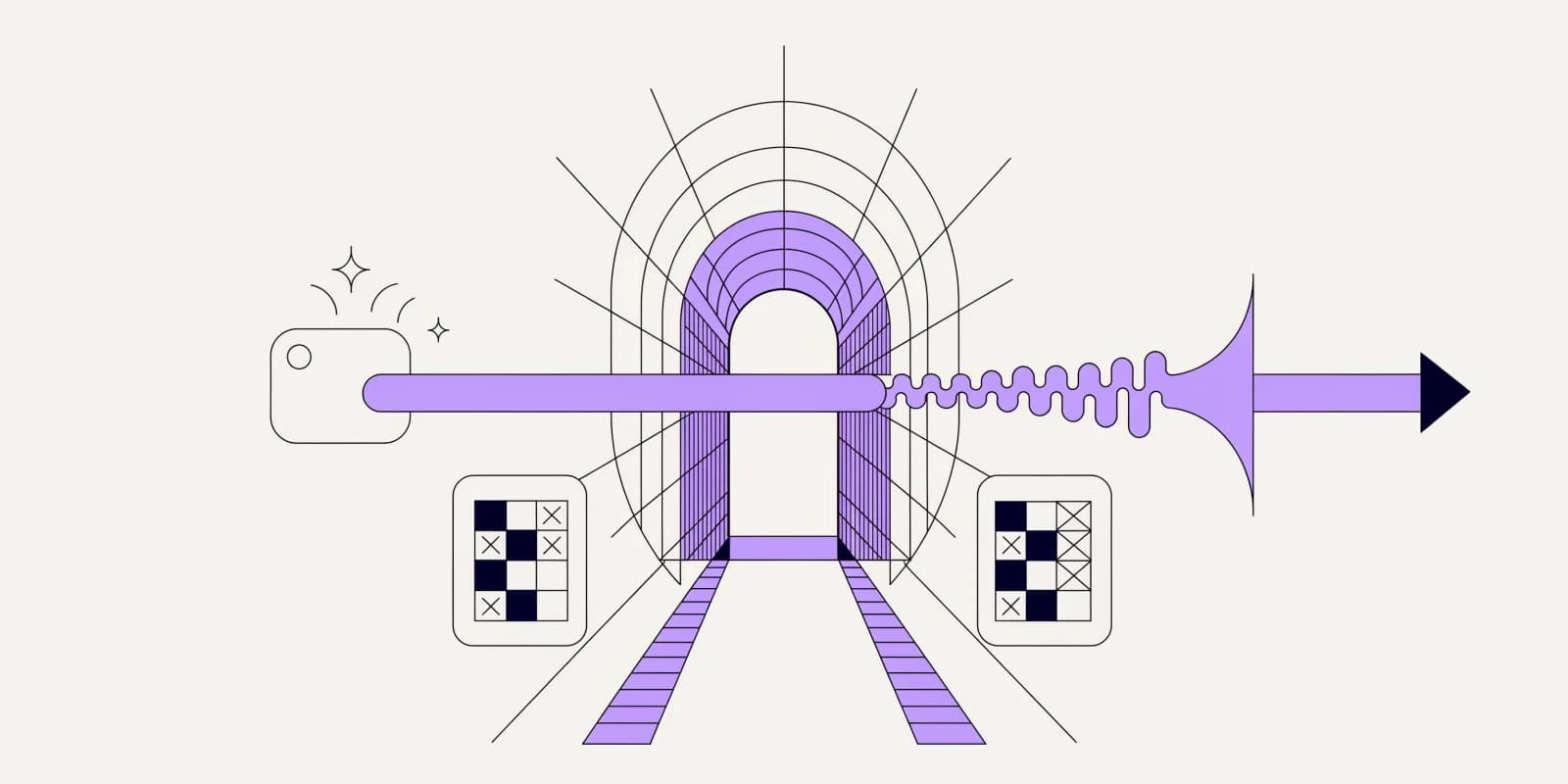
The "dirty dozen" isn't a vague industry saying, it's the Global Alliance for Responsible Media's (GARM) named brand-safety floor, now 14 categories after fake news was added in 2024 and "AI-generated deceptive content" was added by IAB Tech Lab in 2026: war, obscenity, drugs, tobacco, adult content, arms, crime, death/injury, online piracy, hate speech, terrorism, spam, fake news, and AI-generated deceptive content. That list is the baseline every brand should screen generated content against before layering on its own, brand-specific risk tolerance, not a starting point you invent from scratch per campaign.
Concrete Practices to Put in Place
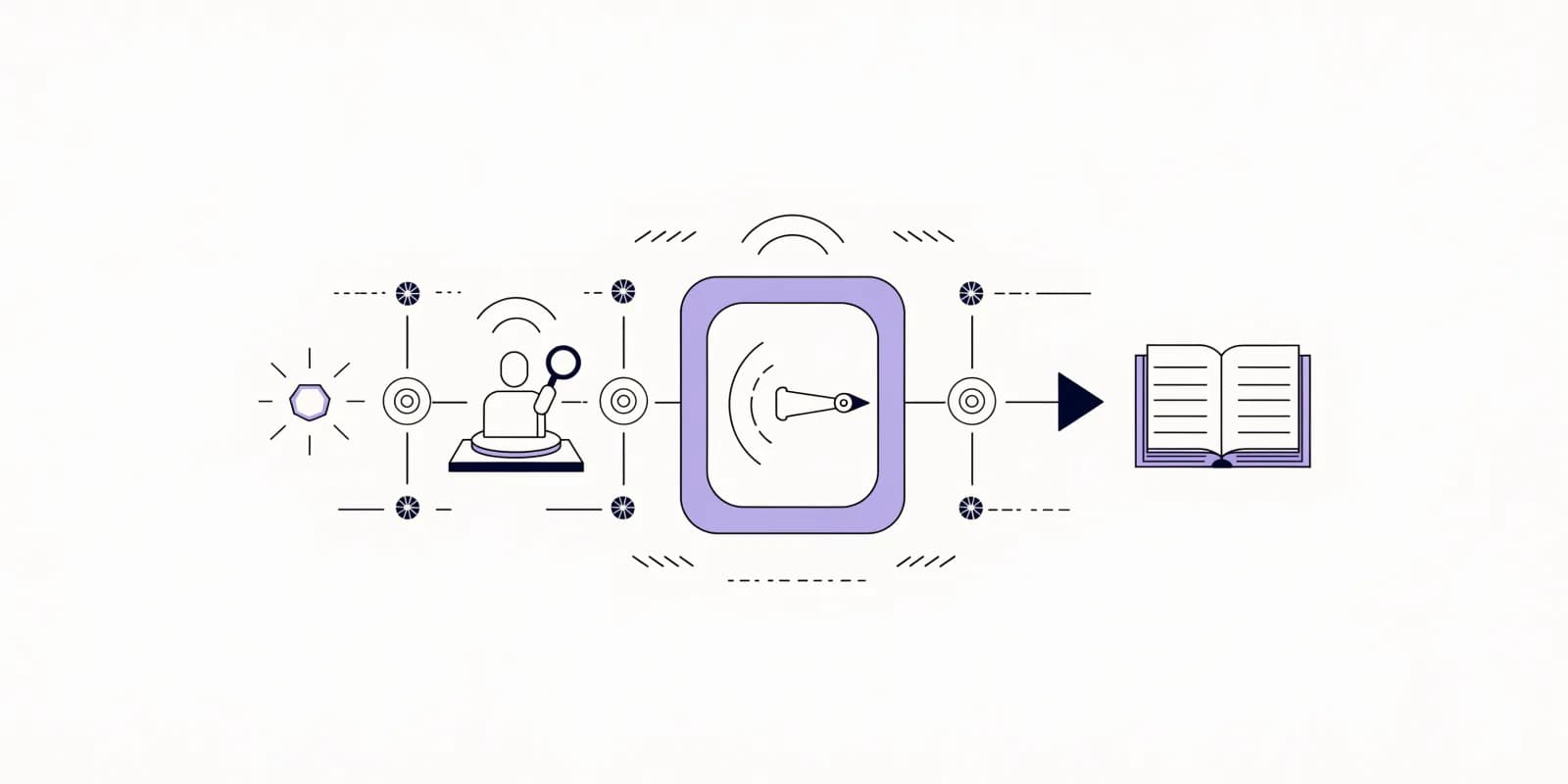
- Prompt guardrails with banned-word lists, tailored to your brand's own risk tolerance, not a generic list. Ship the "slop dictionary" (elevate, streamline, robust, seamless, cutting-edge, delve, paradigm) as a required pre-publish scan.
- Sign-off checklists specifically for legal or compliance-sensitive content categories, not every piece of content. Waste the review budget on the pieces that carry real downside.
- Log the prompts and inputs used per final published asset, a real audit trail if something goes wrong later. 41% of Fortune 500 legal teams now require this per Gartner's 2026 read.
- Start from the 14-category GARM floor and adjust for your own brand, rather than starting from a blank list.
- Add a human editorial pass specifically for voice, not just facts. AI-sounding phrasing is now a brand-safety issue, not a stylistic preference.
A brand-safe first draft is a real starting point for stress-testing your own review checklist. Draft one end-to-end, note the incidents you'd have caught, and let those become the checklist.
The Part That Isn't About the Model
Personalization quality depends on first-party data quality and CDP or data-silo unification more than it depends on which model you use. McKinsey's 2026 State of AI put the content-ROI multiplier for teams that unified data first at 2.4x versus peers who bought newer models on top of siloed data. That's the less exciting fix, and it's the one best practice generative AI teams actually move the needle with.
A 90-Day Rollout That Doesn't Blow Up in Public
- Days 1 to 14: audit every place generative AI is already running (even shadow use in the design and content teams), and log which outputs hit the public in the last quarter.
- Days 15 to 30: write the guardrails against the 14-category GARM floor plus your own slop dictionary. Get legal sign-off once, not per piece.
- Days 31 to 60: unify first-party data into whatever CDP or profile store the brand already runs. This is the 2.4x lever, not the model swap.
- Days 61 to 90: turn the human review process into a checklist a junior editor can run in under 5 minutes per asset. If review takes longer than that, adoption dies.
Best-practice generative AI in 2026 isn't a slide about "AI ethics." It's the boring plumbing: guardrails, review checklists, audit logs, unified data. Ship those, and the model choice stops mattering as much as the vendors want it to.
Frequently asked questions.Answered.
- LLMs hallucinate plausible-sounding but factually wrong content, which is a direct brand-credibility risk, not a theoretical one. Off-brand, inappropriate, or legally-problematic generation is a named, real risk category, not FUD. Gartner's 2026 CMO survey found 63% of brands hit at least one AI-content incident requiring public correction in the last 12 months.