
Discover how Otto - a SaaS company offering banking software - uses product-led growth and AI-driven marketing to improve customer acquisition, retention, and expansion.
How Otto Scaled Smarter with Product-Led Growth and AI-Driven Insights?
Otto is a SaaS company offering banking software to small businesses and mid-market clients. With a hybrid go-to-market motion combining product-led growth (PLG) and sales-assisted expansion, Otto has successfully turned data-driven insights into sustainable growth.
Like many scaling SaaS companies, Otto faced challenges balancing acquisition costs, retention rates, and expansion opportunities. Blu helped Otto unify data, predict user intent, and deliver personalized experiences.
The Challenge: Balancing CAC With Sustainable Growth
Otto's business model was solid, with a healthy MRR of $833. However, their biggest challenge was reducing Customer Acquisition Cost (CAC) and achieving faster CAC payback.
In The Beginning:
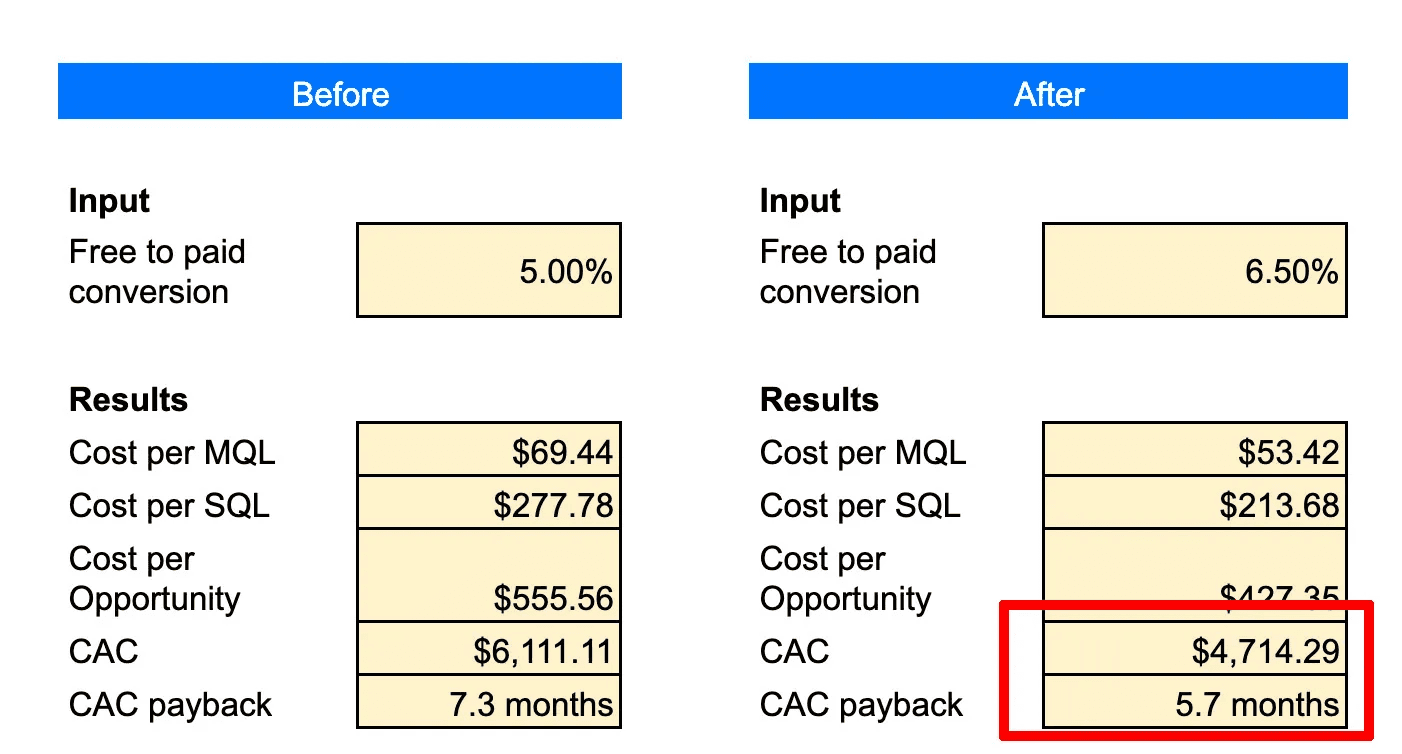
- CAC: ~$6,111 for a $10K deal
- CAC Payback: 7.3 months
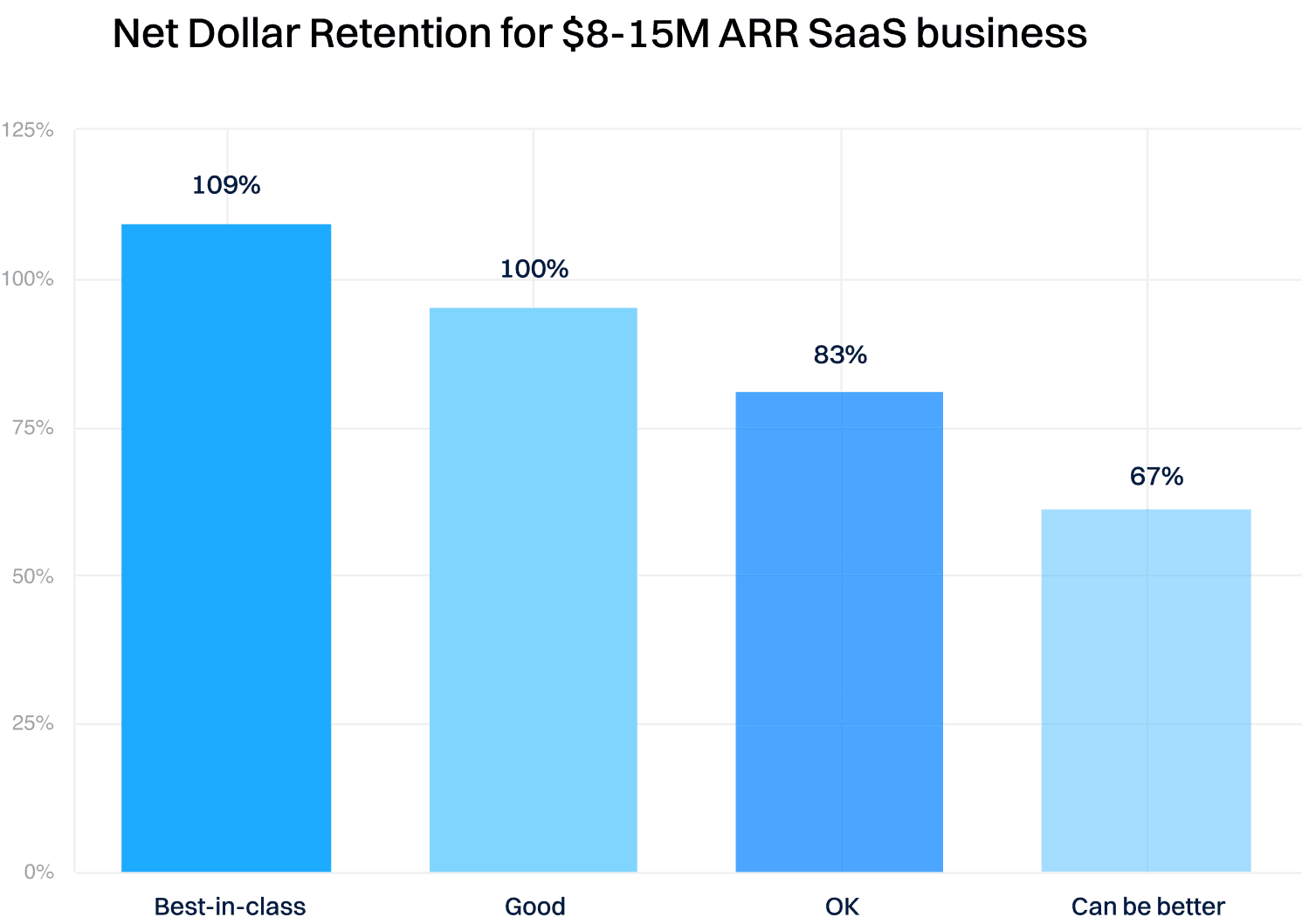
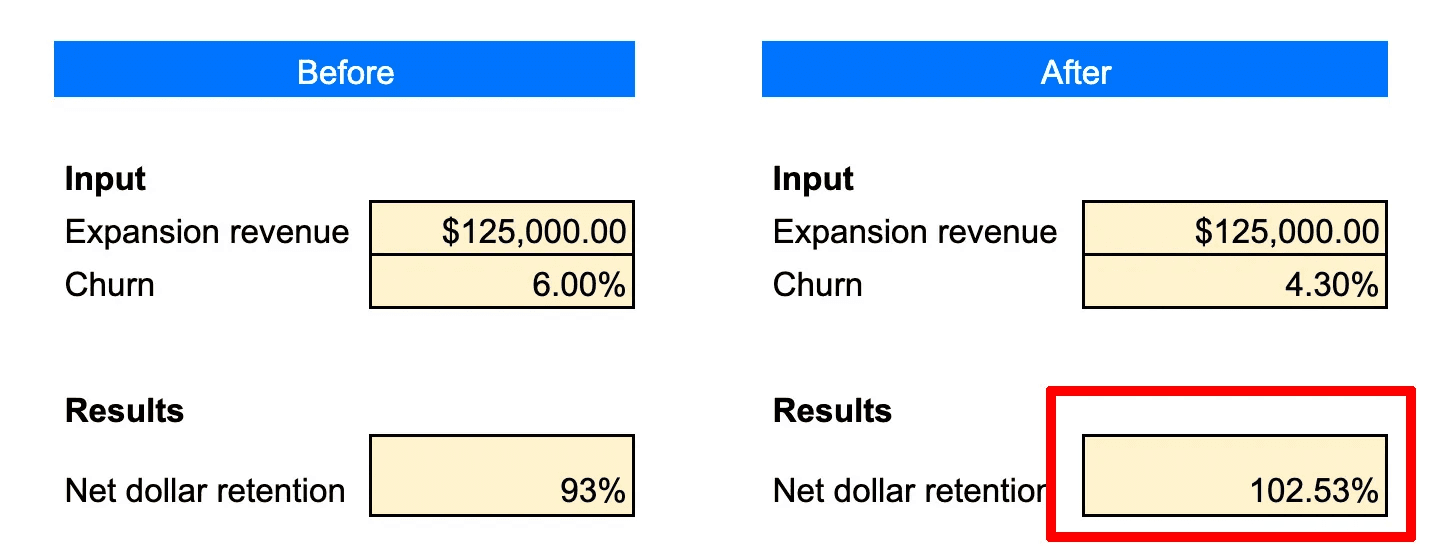
- Goal: 5–6 month payback and 100–110% Net Dollar Retention (NDR)
Conversion Metrics Before Optimization:
- MQL to SQL: 25%
- SQL to Opportunity: 50%
- Opportunity to Closed Won: 20%
Key Metrics and Revenue Fundamentals
- Initial ACV Target: $10K per year, equivalent to $833 per month (MRR).
- Sales Source: 20% sales-sourced, 80% marketing-sourced.
- Cost per MQL: $69
- CAC: ~$6,111 for a $10K deal; currently takes 7.3 months to recover.
The Approach: Creating a Unified Growth Engine
Otto realized that optimizing growth required more than isolated campaigns - it needed a unified system connecting data, marketing, and sales in real time.
That's where Intempt came in - an AI-powered growth methodology, not just a tool.
Acquisition
The primary goal: reduce CAC and shorten the payback period to 5 months.
- Controlling costs across qualified leads (PQL, MQL, SQL).
- Boosting free-to-paid conversions through A/B tests and personalized onboarding.
Retention & Monetization
- Net Dollar Retention: For every $1 of current MRR, aim to grow it to $1.10 or more.
- MRR Churn Tracking and Expansion Revenue Measurement.
Implementation: Inside Otto's Growth Flywheel
Step 1: Discover Audiences
Connect all customer data sources into a single view using Intempt's data integrations.
- Discover: Unify customer data from all channels.
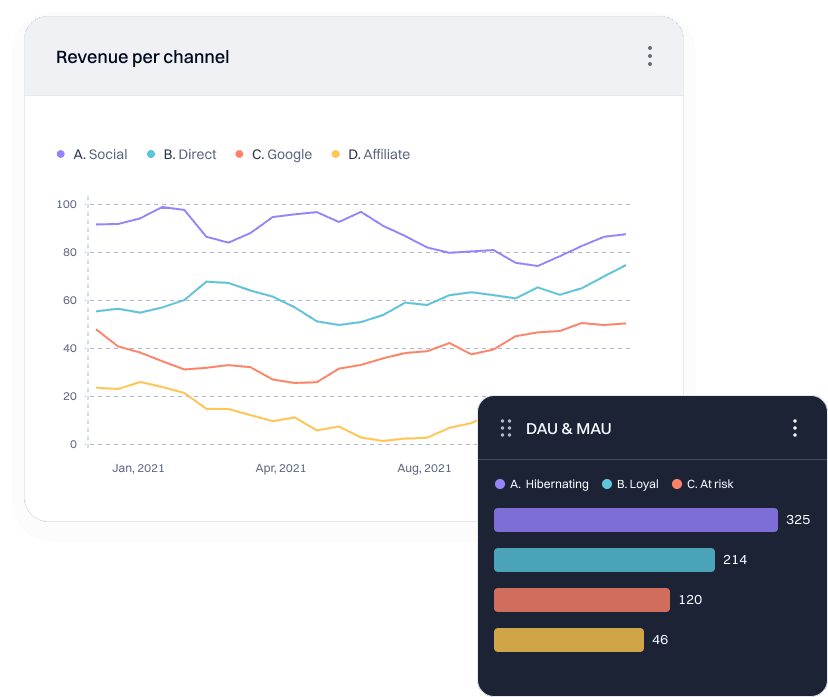
- Predict: Use machine learning to predict user intent in real-time.
Step 2: Engage Customers
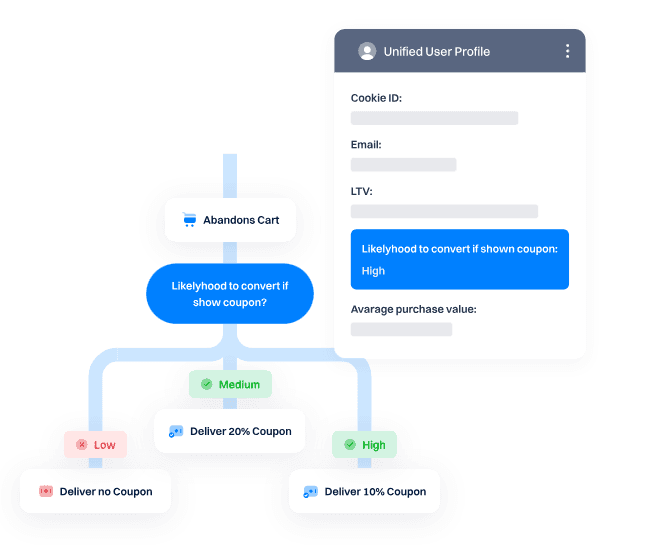
- Personalization: Personalize interactions across web, mobile, and customer journeys.
- Engage: Set up automated triggers to engage customers when they show signs of inactivity.
Step 3: Optimize Experiences
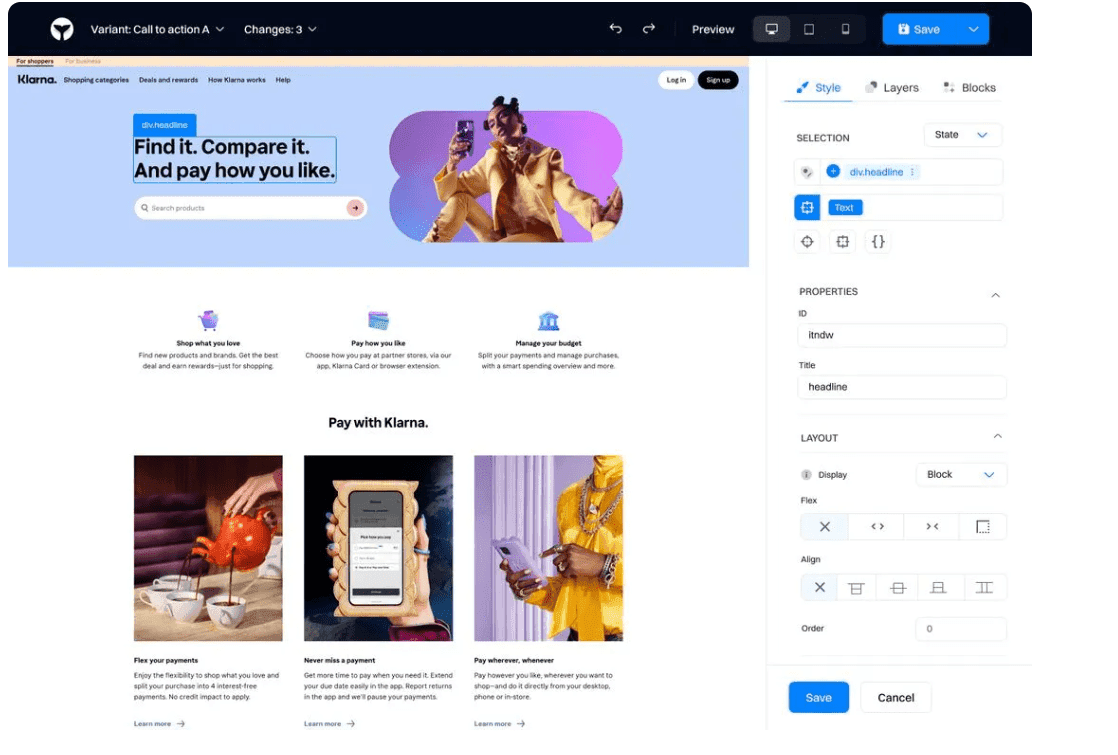
- Experiments: Experiment with different approaches.
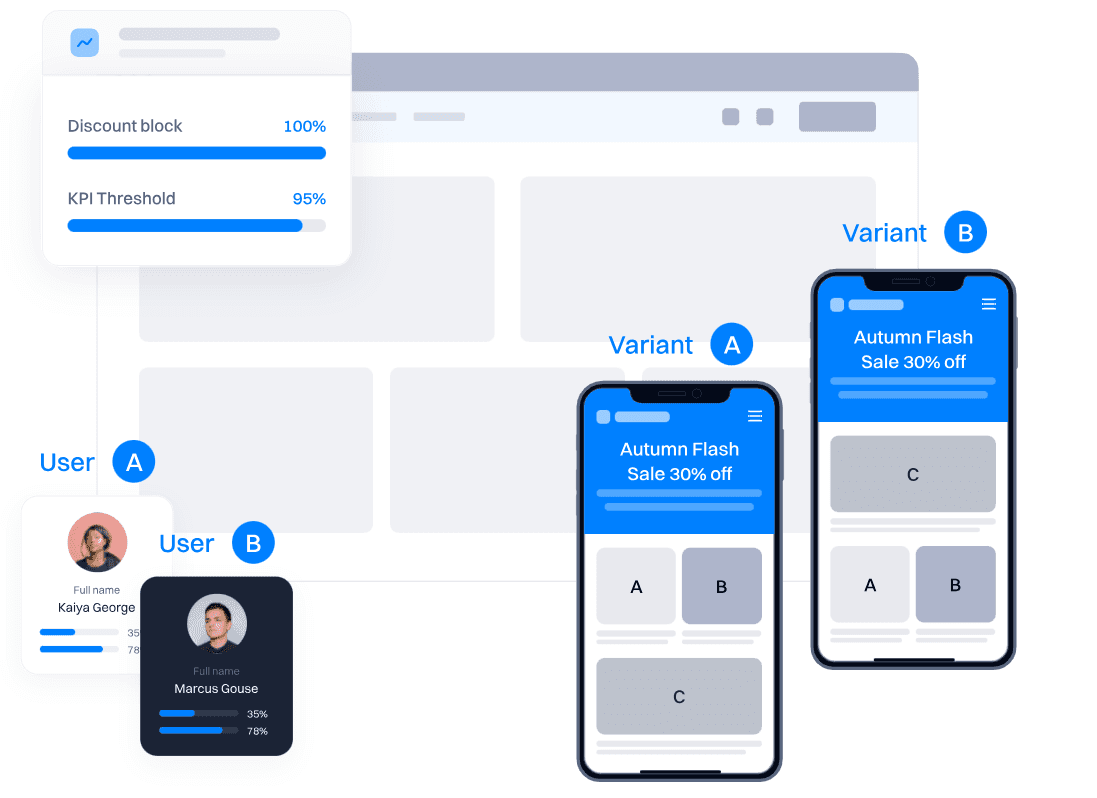
- Analytics: Use real-time data to refine and improve customer interactions.
Key Takeaways
- Focus on CAC Efficiency through targeted A/B tests and personalized onboarding.
- Prioritize Retention: Keep churn low while increasing expansion revenue.
- Adopt a Unified System: Tools like Intempt eliminate data silos.
- Experiment Relentlessly: Continuous testing turns insights into compounding gains.
TL;DR
Otto used a hybrid PLG + sales model. Their main challenge was reducing a 7.3-month CAC payback and improving NDR.
By adopting Intempt, Otto unified customer data and automated engagement across the funnel. CAC payback dropped below 6 months, and NDR rose above 105%.
Frequently asked questions. Answered.
CAC payback is the time (in months) it takes for a company to recoup its cost of acquiring a customer.