
You finally close the sale. The ad worked. The landing page converted. The checkout went through.
Then the customer disappears.
No second purchase. No engagement. No loyalty. Just a quiet exit, you only notice when revenue flattens.
Here's the uncomfortable math. Acquiring a new customer costs five to 25 times more than keeping one you already have. Yet 44 percent of companies still pour more budget into acquisition than retention.
The few brands winning the long game invest in what happens after the first purchase. These seven strategies are how you do the same.
Expected results
By the end of this guide, you'll have a clear playbook to:
- Drive second purchases with post-purchase sequences
- Turn returns into repeat purchase opportunities
- Build loyalty programs around behavior, not just points
- Personalize with real-time behavioral data
- Make support a retention engine
- Close the feedback loop so customers see their impact
- Turn unboxing into shareable marketing
What is e-commerce customer experience, and why does it drive lifetime value?
E-commerce customer experience (CX) is every interaction a customer has with your brand, from the first click to repeat purchase. Browsing, checkout, post-purchase communication, returns, support, loyalty, and even how the package arrives.
Customer lifetime value (CLV) measures the total revenue one customer generates over their entire relationship with you. The connection is direct. Better experiences mean more frequent purchases, higher order values, more referrals, and longer relationships.
The economics are simple. A five percent increase in customer retention can increase profits by 25 to 95 percent. Every dollar you spend on CX compounds over the customer's lifetime. Every dollar you spend on acquisition delivers diminishing returns as ad costs keep rising. That's why the most profitable ecommerce brands treat CX as a growth strategy, not a support function.
Strategy overview
Building a strong ecommerce customer experience doesn't come from a single tactic, it comes from getting multiple moments right across the full customer journey. If you want to know how to improve e-commerce customer experience, start here: each strategy below targets a different touchpoint, with the data and brand examples to back it up.
| # | Strategy | Key stat | Brand example |
|---|---|---|---|
| 1 | Post-purchase engagement | 86% loyalty from post-purchase investment | Chewy |
| 2 | Returns as loyalty engine | 92% repurchase with easy returns | Zappos, Amazon |
| 3 | Loyalty programs that work | 80% of Sephora sales from members | Sephora, Nike |
| 4 | Behavioral personalization | 35% of Amazon revenue from recommendations | Amazon |
| 5 | Support as sales channel | 95% say support drives loyalty | Chewy, Zappos |
| 6 | Visible feedback loops | NPS leaders grow at 2x rate | Amazon, Nike |
| 7 | Unboxing as marketing | 40% higher loyalty from custom packaging | Glossier, Apple |
1. Fix the post-purchase dead zone
Most brands celebrate the conversion and then go quiet. The customer just gave you money. They're paying the most attention they'll ever pay. And you send a shipping confirmation and vanish.
That silence is where churn starts.
Eighty-six percent of customers stay loyal to brands that invest in post-purchase engagement. Welcome email sequences pull 45 to 55 percent open rates. That's three to four times the average marketing email.
The goal is simple. Get the customer to their second purchase as fast as possible. Confirm they made a good decision. Teach them something useful. Give them a reason to come back.
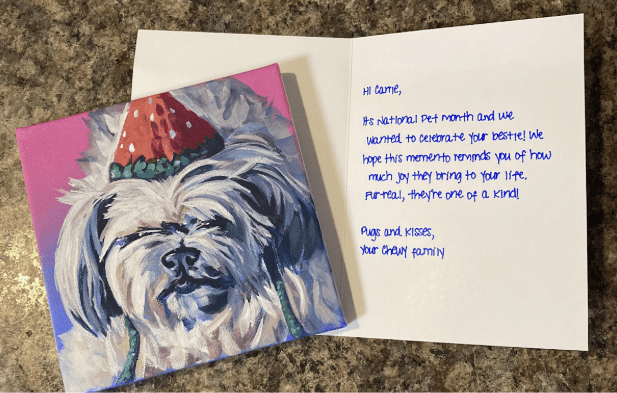
Who gets this right: Chewy: Handwritten welcome notes. Proactive dosing reminders. Hand-painted pet portraits. Sympathy flowers when a pet passes away. Their repeat purchase rate proves it works.
If you're already running post-purchase campaigns that go beyond transactional updates, you're ahead of most competitors. The key is making those campaigns behavioral, not calendar-based.
Key takeaway: The post-purchase window is the highest-attention, lowest-competition moment in the customer journey. Brands that invest here see 86 percent loyalty improvement and three to four times higher email engagement.
2. Turn returns into a loyalty engine
Most teams treat returns as damage control. Something to minimize, speed through, and forget.
That's backwards.
Ninety-two percent of customers say they'd buy again from a retailer with an easy return process. Customers who return items tend to have 15 to 25 percent higher lifetime value than those who don't. Returns signal engagement, not failure.
Think about what a return actually means. The customer cared enough to try. They're still in the conversation. The question is whether you give them a reason to stay or a reason to leave.
Who gets this right: Zappos. 365-day return window. Free two-way shipping. Agents are empowered to override rules and extend timeframes. The result was higher purchase confidence, not higher return rates. Amazon paid $1.2 billion to acquire them.
Amazon followed the same logic. Instant refunds. Pre-printed labels. Drop off at any UPS store. The return experience is as smooth as the purchase experience.
Your move: make returns so easy they build trust. Track return reasons to improve product descriptions and recommendations. Follow up every return with a personalized exchange suggestion.
Key takeaway: Ninety-two percent of customers repurchase from retailers with easy returns, and returners have 15 to 25 percent higher lifetime value. Returns are a loyalty opportunity, not a cost center.
3. Build a loyalty program that actually works
Points for purchases. Everyone does it. Almost nobody does it well.
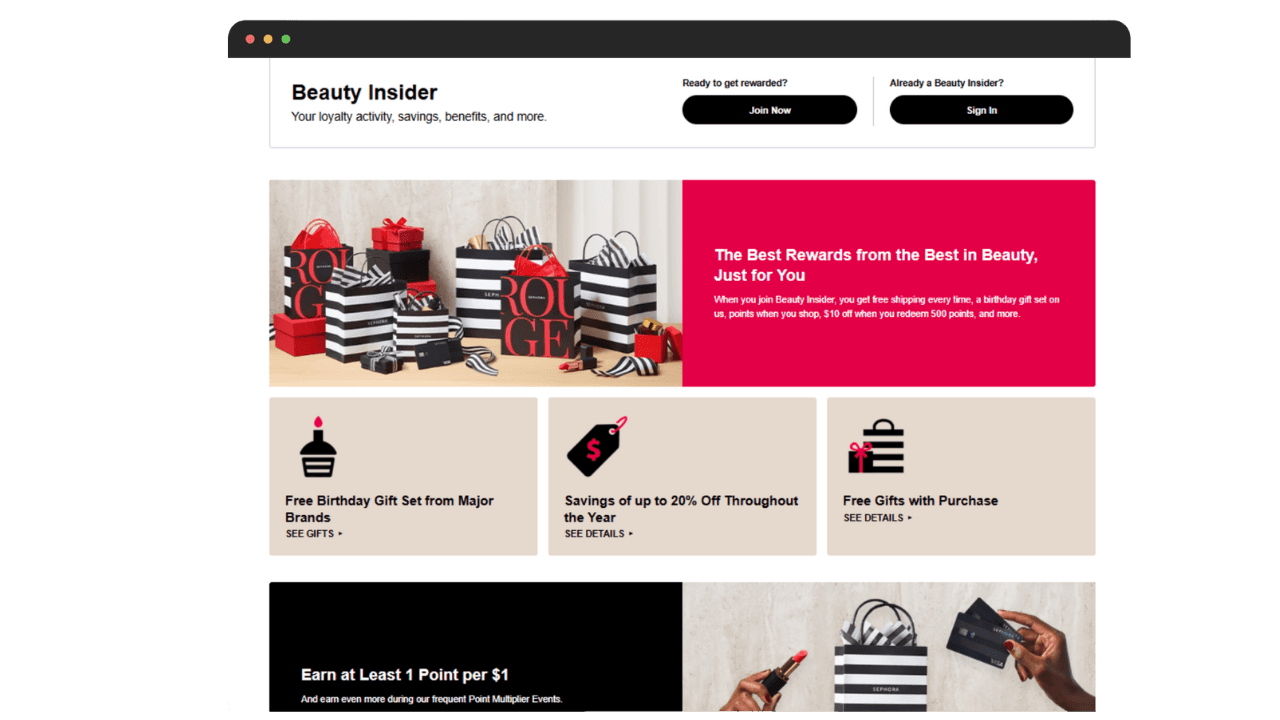
Sephora's Beauty Insider program has 34 million members. Those members drive 80 percent of annual sales. Members spend three times more than non-members.
Here's what Sephora gets right. The program isn't about discounts. It's about status and access. Higher tiers unlock exclusive products, early launches, and one-on-one consultations. Customers don't just want to save money. They want to feel like insiders.
Nike takes a different approach. Their membership rewards fitness milestones, not just purchases. Run a distance. Hit a streak. Unlock exclusive gear. The program is built around identity, not transactions.
The most effective loyalty programs use behavioral segmentation to treat different tiers differently. Champions get referral invites and early access. At-risk members get re-engagement offers before they churn.
Your move: design your program around what customers actually value. Access, recognition, or community. Points alone don't create loyalty. Belonging does.
Key takeaway: Sephora's loyalty program drives 80 percent of annual sales because it's built around status and access, not discounts. The best programs reward identity and behavior, not just transactions.
4. Personalize at the behavioral level
Most personalization is lazy. "Hi [First Name]" in an email opener is not personalization. Showing someone the fragrance collection they browsed last week because they abandoned a cart is closer.
Amazon's recommendation engine drives 35 percent of its total revenue. Not because it's technically impressive. Because it pays attention. It tracks what you browse, buy, skip, and come back to.
McKinsey found that 71 percent of customers expect personalized interactions. And 76 percent get frustrated when they don't get them.
People don't leave because they're unhappy. They leave because someone else paid attention first.
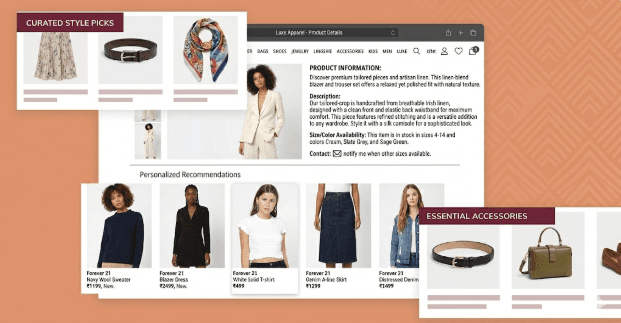
Effective product recommendations use multiple signals: pages visited, products browsed but not purchased, items bought together, and browse-to-cart ratios. When these feed into real-time personalization, every customer sees a storefront shaped by their own behavior.
Your move: track behavioral signals, not just demographics. What do customers browse but not buy? What do they buy together? Use that data to shape what each customer sees next.
Key takeaway: Amazon's recommendation engine generates 35 percent of total revenue through behavioral personalization. Seventy-one percent of customers expect it, and 76 percent get frustrated without it.
5. Make support your strongest sales channel
Ninety-five percent of consumers say customer service is essential to brand loyalty.
Support isn't a cost center. It's the moment your customer needs you most. Get it right, and you have a customer for life. Get it wrong, and no loyalty program will save you.
Brands that respond within one hour see 1.5 times higher retention compared to those that take a full day.
Who gets this right: Chewy gives agents real authority. No scripts. No escalation chains. Agents can issue refunds, send replacements, and make judgment calls. Zappos puts new hires through four weeks of empathy training. No upselling quotas. No call time limits.
When agents have a unified view of the customer, including purchase history, browsing behavior, and previous interactions, they resolve issues faster and spot opportunities naturally.
Your move: give your team the tools and authority to solve problems on first contact. Track support alongside purchase data so agents see the full picture, not just the ticket.
Key takeaway: Ninety-five percent of consumers say support is essential to brand loyalty. Sub-one-hour response increases retention by 1.5 times.
6. Close the feedback loop visibly
Asking for feedback is easy. Every brand does it. Post-purchase survey. NPS email. "How did we do?"
The problem is what happens next. Usually nothing. The customer shares their experience, and it disappears into a spreadsheet nobody opens.
That silence tells your customer their opinion doesn't matter.
Companies that act on feedback report increased revenue. NPS leaders grow revenue at twice the rate of their competitors. The difference isn't collecting feedback. It's acting on it and telling the customer what changed.
Who gets this right: Amazon built a system where customer reviews feed into product rankings, search algorithms, and vendor scorecards. When enough customers flag an issue, the product listing changes. Customers see their feedback shaped the outcome.
Nike's member community works the same way. Feedback from Nike+ members has influenced colorways, fit adjustments, and feature additions. Members see their input reflected in future releases. That visibility turns passive customers into invested participants.
Your move: when you act on feedback, tell the customer. "You told us X. We changed Y." That single message does more for retention than any discount.
Key takeaway: NPS leaders grow revenue at twice the rate of competitors. The difference isn't collecting feedback. It's acting on it and telling the customer what changed.
7. Engineer the unboxing as a marketing moment
The package arrives. The customer opens it. That moment is either forgettable or shareable.
Brands that invest in custom packaging see up to 40 percent higher customer loyalty. Over half say they'd buy again because of the packaging experience. And four in 10 consumers share unique packaging on social media, turning every delivery into free organic reach
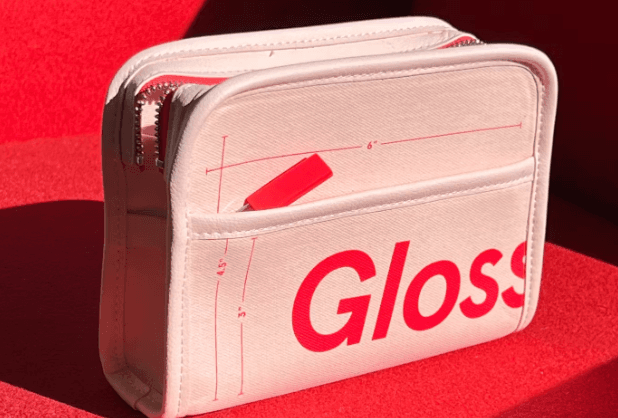
Who gets this right: Glossier turned packaging into a brand asset. The pink pouch. The sticker sheet. The printed mantras. Every element feels intentional. Customers post unboxing videos because the experience is worth sharing.
Apple understood this decades ago. The slow lift of the lid. The precise fit of every cable. The packaging builds anticipation and reinforces premium positioning.
Your move: design the unboxing to tell a story. Branded tissue paper costs almost nothing. A handwritten card takes 30 seconds. A QR code to a setup guide bridges the physical and digital experience.
Key takeaway: Brands with custom packaging see up to 40 percent higher loyalty. Four in 10 consumers share unique packaging on social media, turning every delivery into a free marketing channel.
What most brands get wrong versus what winning brands do
Before we get to implementation, here's a quick comparison of what separates the brands winning lifetime customers from everyone else.
| Area | What most brands do | What winning brands do |
|---|---|---|
| Post-purchase | Shipping confirmation, then silence | Automated welcome sequences with product education and replenishment triggers |
| Returns | Complicated process, restocking fees | Effortless returns with exchange suggestions that keep revenue |
| Loyalty | Points-per-dollar with expiration dates | Identity-based programs with status, access, and community |
| Personalization | "Hi [Name]" in emails, static segments | Real-time behavioral recommendations from browse, cart, and purchase data |
| Support | Scripted responses, long wait times | Empowered agents with unified customer view, sub-one-hour response |
| Feedback | Collect surveys, file them away | Act on feedback and tell the customer what changed |
| Unboxing | Plain brown box, invoice on top | Branded packaging with a thank you card and shareable elements |
How to execute these strategies with Intempt
You've seen the strategies. Now the real question: can you pull this off without stitching together six different tools where data lives in one place, journeys in another, and personalization somewhere else?
Here's a clean way to start with Intempt
| Step | Action | Strategies supported |
|---|---|---|
| 1 | Unify customer data from all sources into one profile | All seven strategies |
| 2 | Build lifecycle segments with RFM scoring | Loyalty (#3), personalization (#4), feedback (#6) |
| 3 | Automate lifecycle journeys per segment | Post-purchase (#1), returns (#2), unboxing (#7) |
| 4 | Deploy personalized experiences and recommendations | Personalization (#4), support context (#5) |
| 5 | Measure stage transitions and iterate | Feedback (#6), continuous improvement |
Step 1: Unify your customer data
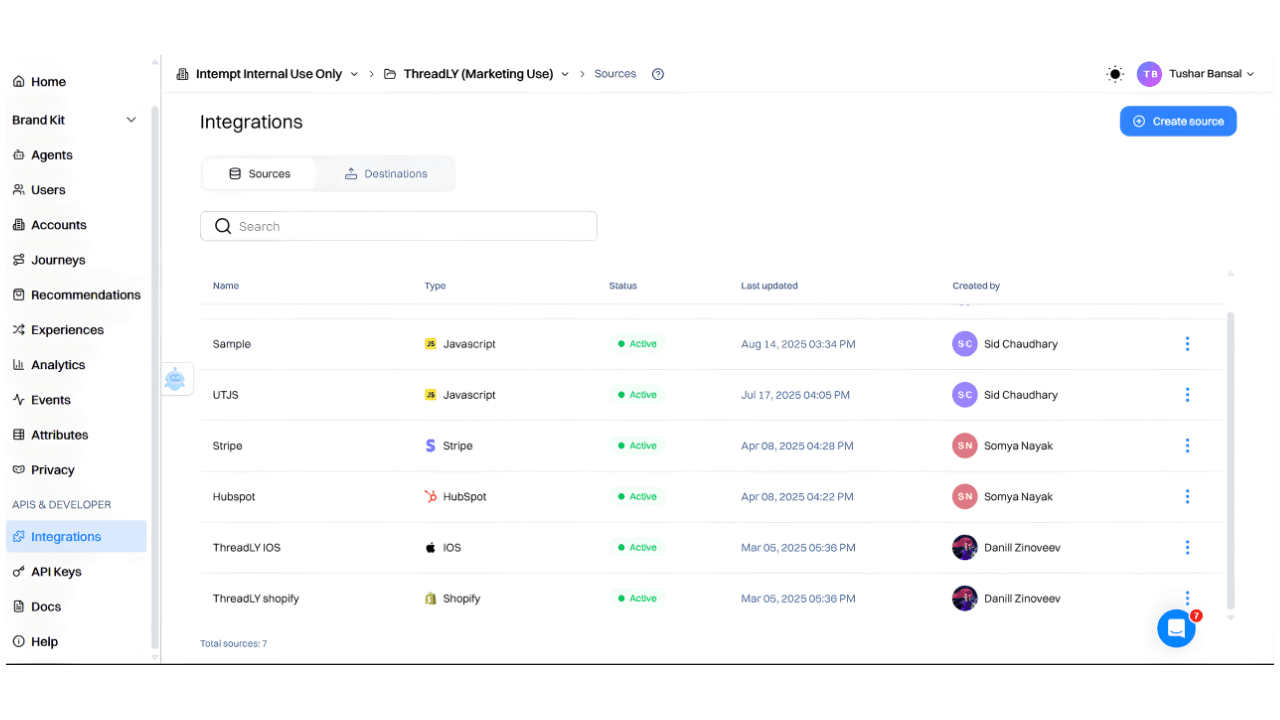
Connect your data sources (Shopify, Stripe, HubSpot, or whatever you're running) so every customer has one clean profile. Purchase history, browsing behavior, support interactions, returns. All in one place.
This is the foundation. Without unified data, you're personalizing with half the picture.
Step 2: Build lifecycle segments with RFM scoring
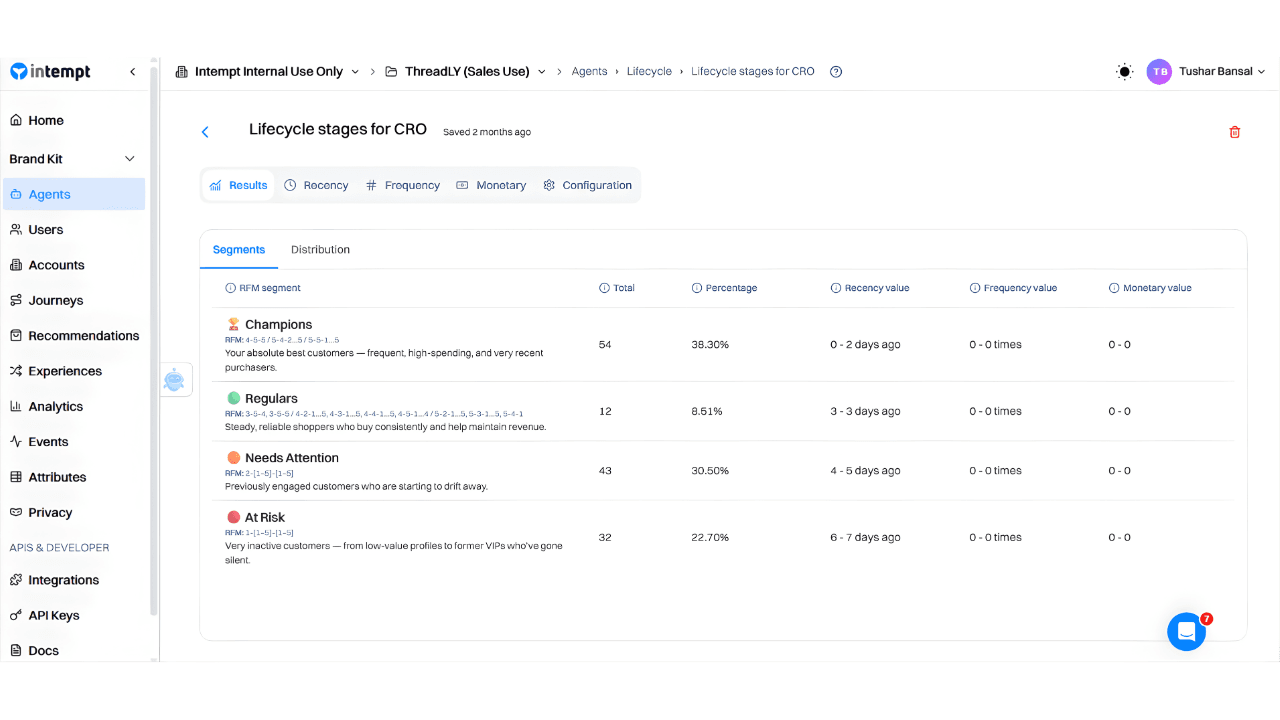
Create a lifecycle agent in Intempt. Select your conversion goal (like "Purchase" or "Repeat Purchase") and let the model score customers based on recency, frequency, and monetary value.
You'll get clean segments: Champions, Regulars, Promising, Needs Attention, and At Risk. Each needs different messaging. Champions get early access. At Risk customers get re-engagement flows before they churn. This is the same logic behind reducing churn with AI-powered retention.
Step 3: Automate lifecycle journeys
Create separate journeys for each segment. Post-purchase sequences for new buyers. Return follow-ups. Re-engagement for early churn signals. Loyalty milestones when customers hit spending tiers.
Intempt triggers these based on real behavior, not calendar dates. A customer returns a product? The journey adapts. Third purchase? Different message. This is what separates lifecycle marketing from campaign blasting.
Step 4: Deploy personalized experiences
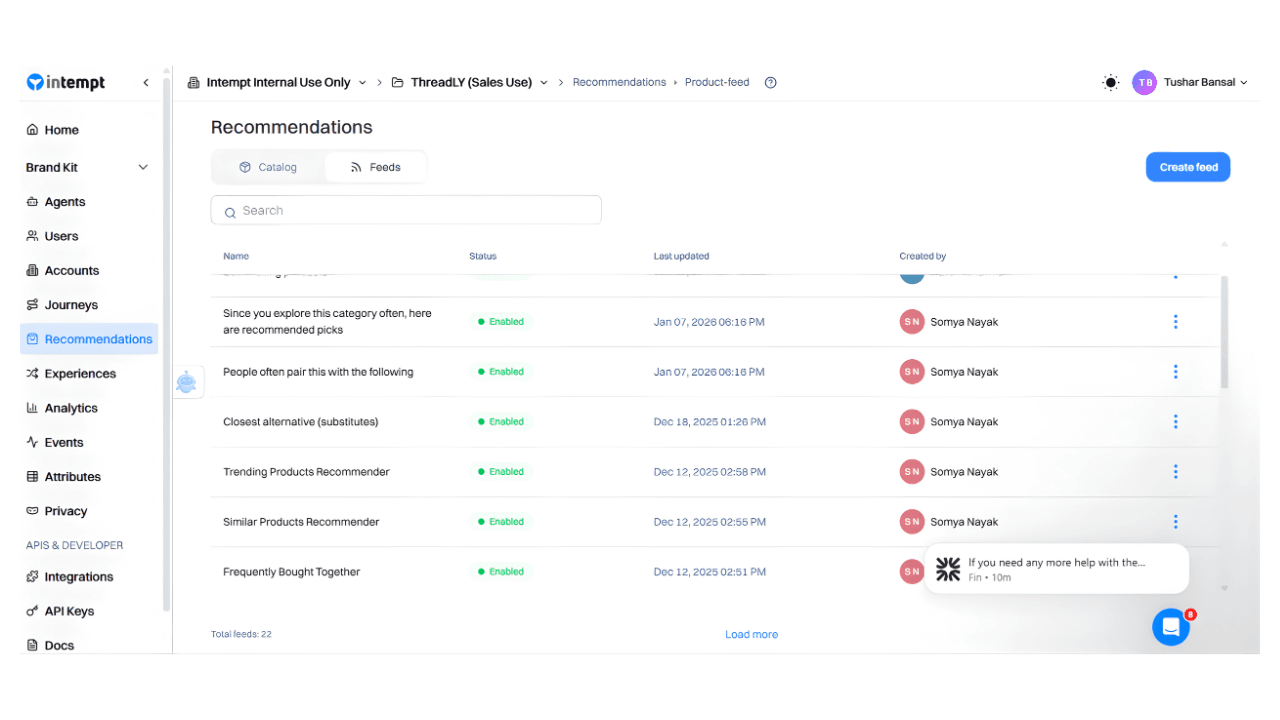
Show different content, product recommendations, and offers based on each customer's segment and behavior.
Champions see new arrivals. Promising customers see social proof. Needs Attention customers see personalized offers based on their last browse session. Email, in-app, and recommendations work as one system.
Step 5: Measure and iterate
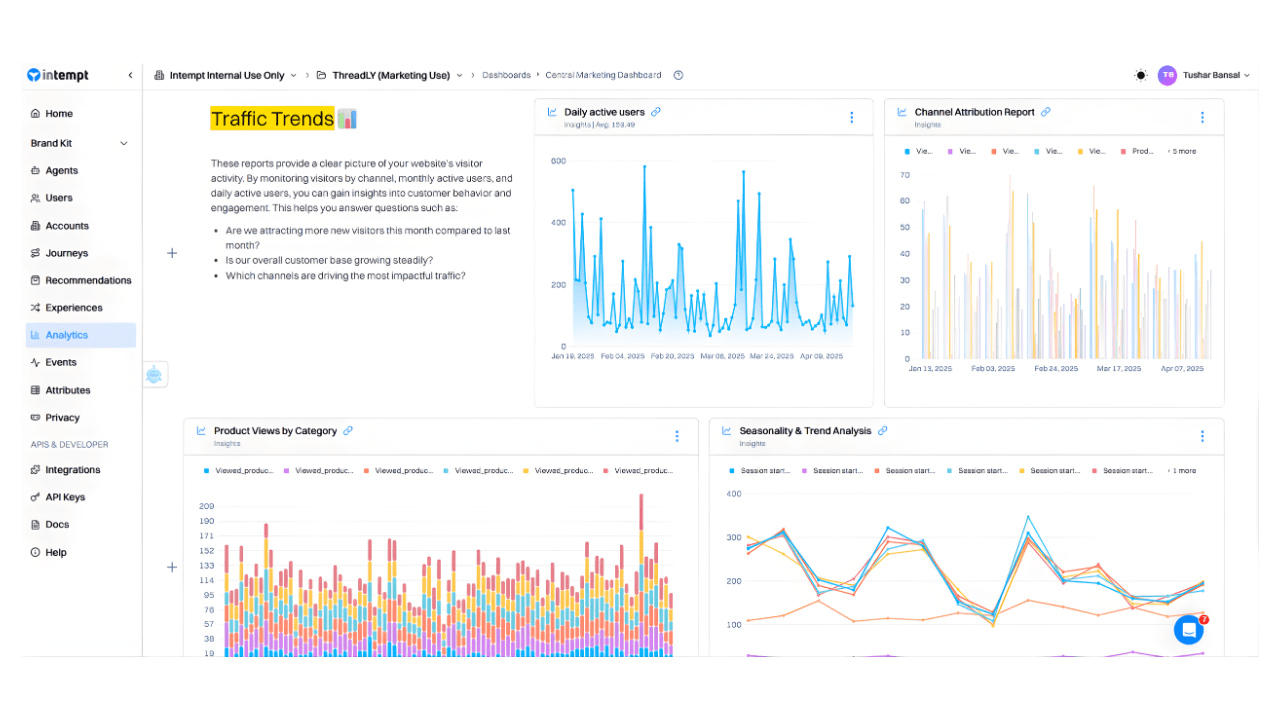
Track journey analytics by segment. Compare how Champions respond versus At Risk customers. Test messages, timing, and channels.
Measure stage transitions, not vanity metrics. If post-purchase engagement improved but repeat purchases didn't, your loyalty strategy is the bottleneck.
Key metrics to track by strategy
Here's what to measure for each strategy to know if it's working.
| Strategy | Primary metric | Secondary metric | Watch for |
|---|---|---|---|
| Post-purchase | Second purchase rate (within 30 days) | Welcome email open rate | Drop-off between first and second purchase |
| Returns | Return-to-exchange conversion | Repurchase rate after return | High returns without repurchase |
| Loyalty | Member spend vs. non-member | Tier progression rate | Members stalling at base tier |
| Personalization | Revenue from recommendations | Click-through on personalized content | Low engagement despite personalization |
| Support | First-contact resolution rate | Time to response | Repeat tickets on same issue |
| Feedback | Survey response rate | Revenue after acting on feedback | Collecting without acting |
| Unboxing | Social share rate | Repeat purchase by packaging type | High cost with no engagement lift |
Bottom line
CX compounds. Each strategy reinforces the others. A great unboxing leads to social sharing. A smooth return builds trust for the next purchase. A loyalty program gives customers a reason to stay. Personalization makes every touchpoint feel designed for them.
The brands winning lifetime customers aren't doing one of these things. They're building a system where every interaction earns the next one.
Start with one strategy this week. Post-purchase is usually the highest-impact, lowest-effort starting point. You already have the customer's attention and contact info. Build from there.
TL;DR
- Acquiring a new customer costs five to 25 times more than retaining one. Most brands still over-invest in acquisition.
- Post-purchase is the highest-attention window. Eighty-six percent loyalty improvement, three to four times higher email engagement.
- Easy returns increase lifetime value by 15 to 25 percent. Returns are a loyalty opportunity, not a cost center.
- Loyalty programs work when built around identity and access, not discounts. Sephora's drives 80 percent of sales.
- Behavioral personalization drives 35 percent of Amazon's revenue. Seventy-six percent of customers get frustrated without it.
- Sub-one-hour support response increases retention by 1.5 times.
- Acting on feedback and telling customers what changed builds loyalty faster than any promotion.
- Custom packaging drives up to 40 percent higher loyalty and organic social sharing.
- Intempt executes all seven from one platform: unified profiles, RFM segmentation, automated journeys, personalized experiments, and cohort analytics.
Frequently asked questions. Answered.
Ecommerce customer experience is every interaction a customer has with your brand: browsing, purchasing, support, returns, and repurchasing. Strong CX directly increases customer lifetime value because positive experiences lead to more frequent purchases, higher spend, and longer relationships.