
Have you ever sent more emails to fix a pipeline problem, only to watch things get worse? This event management platform did. And the way they turned it around is worth breaking down.
An event management platform with an ambitious outbound motion and a clear goal: build a consistent, scalable pipeline. Their approach? Reach the right buyers, earn the conversation, close the deal.
Good plan. Until the pipeline slowed.
When the numbers dipped, the team did what most teams do. They pushed harder. More emails. Same domain. Same copy. Just higher volume.
Reply rates fell below 1%. Emails started landing in spam. Reps kept running sequences that had stopped producing weeks earlier.
The outbound was broken. And the instinct to send more was making it worse.
The platform reached out to us. The outbound, inbound, and product signals were running in completely separate silos. No coordination. No suppression. No shared context between channels. At Intempt, we rebuilt their outbound from the ground up.
Here's the full breakdown of what broke, what changed, and how a broken cold email motion became an outbound system that closes deals.
Expected Results
Teams that apply this approach can typically expect:
- Reply rates above 10% within 60 to 90 days of implementing signal-based personalization and smart sending rules.
- Spam placement below 2% after inbox rotation, daily sending limits, and domain authentication (SPF, DKIM, DMARC).
- 40%+ reduction in wasted outreach when inbound signals automatically remove active prospects from outbound sequences.
- Faster rep routing so high-intent visitors and demo bookers reach the right person within minutes, not hours.
- One unified contact view across email behavior, site activity, and product signals, instead of separate tools that don't talk to each other.
How the Platform Burned Their Outbound in the First Place?
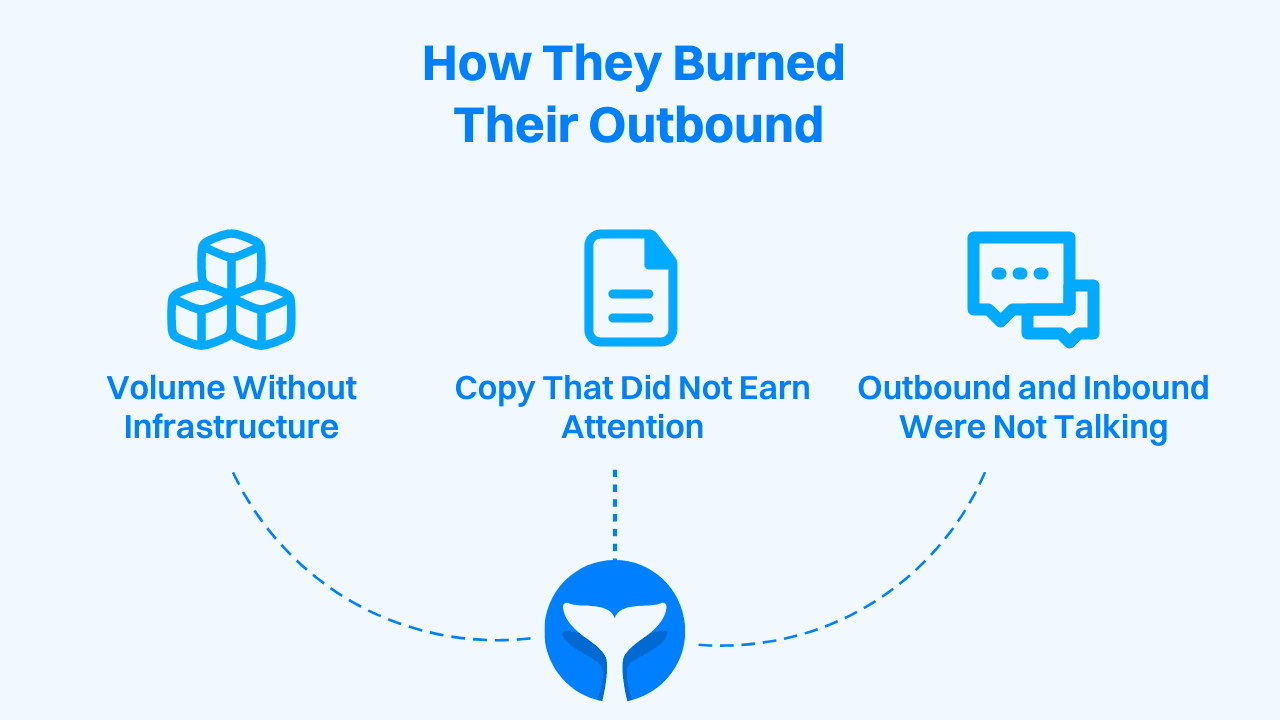
1. The First Layer: Volume Without Infrastructure
The pipeline dried up, and the instinct was to push harder. That's understandable. It's also one of the most reliable ways to wreck a domain.
The team increased send volume on the same domain without adjusting anything else. No inbox rotation. No sending limits per inbox. No suppression rules to stop the same prospect from being hit repeatedly. Volume went up. Deliverability collapsed. Reply rates fell under 1%.
The real damage was not just the low numbers. It was that the motion had stopped being recoverable at its current settings. More sends on a flagged domain do not fix the problem. They compound it.
2. The Second Layer: Copy That Did Not Earn Attention
Even before the deliverability issues took hold, reply rates were telling a story. Generic outreach at volume rarely clears 3% in 2026. The average cold email reply rate across all campaigns is 3.43% according to industry benchmarks. The platform was sitting below 1%.
The emails were not resonating. There was no signal of research. No reason for the prospect to believe the sender understood anything about their situation. Volume had become a substitute for relevance, and that never works.
3. The Third Layer: Outbound and Inbound Were Not Talking
This is the part that cost the platform the most. When a prospect clicked an email, visited the site, or returned three days later showing real interest, outbound kept running. Same cadence. Same messages. No awareness that the behavior had changed.
Worse, when someone booked a demo or signed up on their own, the system had no way to stop reps from continuing to prospect them. The pipeline was generating noise and friction exactly when the timing was right for a clean handoff.
What The Platform Did Differently?
The fix was not one change. It was a sequence of decisions made in the right order.
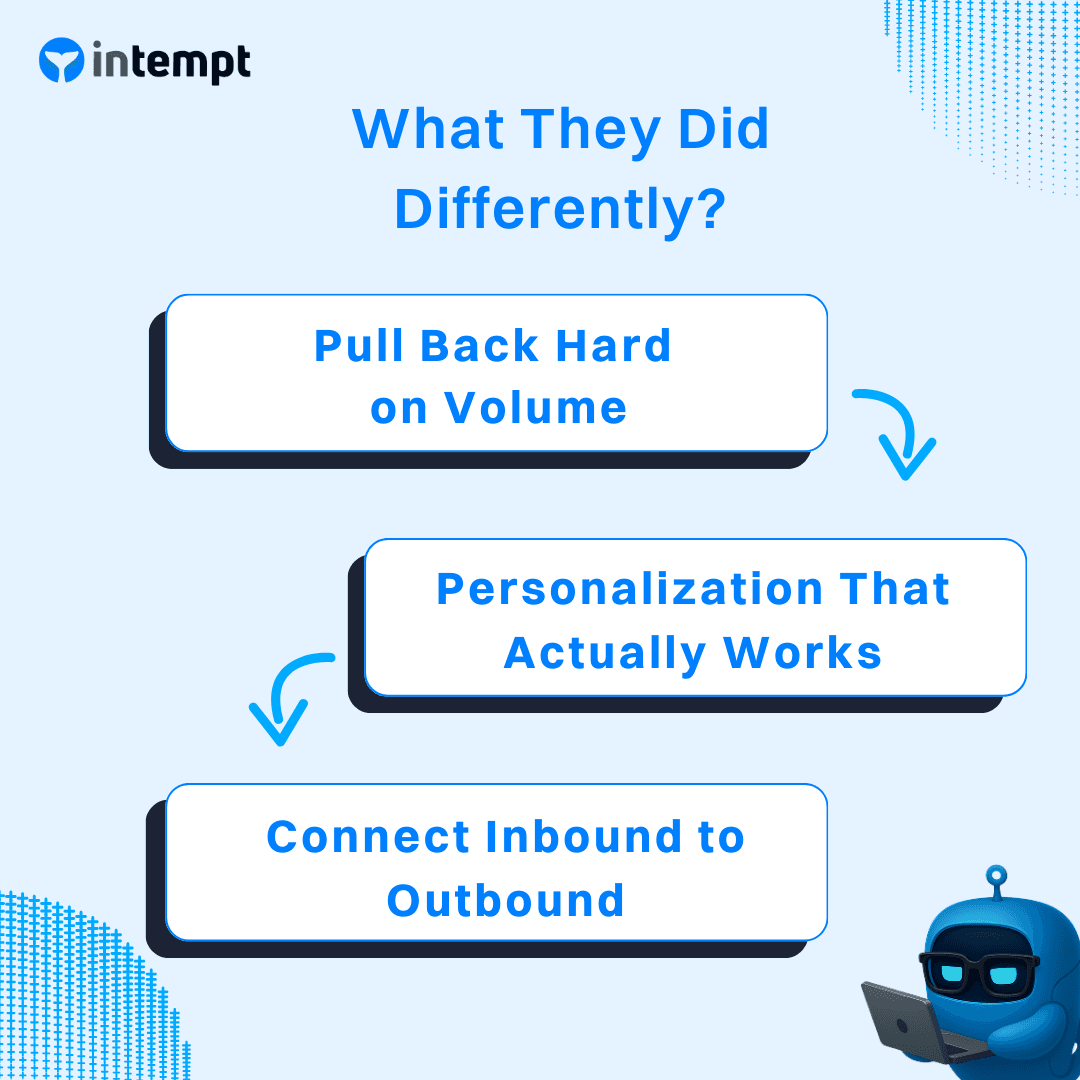
Step One: Pull Back Hard on Volume
We cut sends down to 20 per day. Then slowly scaled to 30, then 40. Using Intempt's smart sending rules, the inbox rotation spread was sent across multiple warmed addresses automatically. This sounds strange when the pipeline is the problem. But you cannot fix deliverability by sending more from a damaged sender. You fix it by giving the domain room to recover and rebuilding trust with inbox providers.
Inbox rotation spread is sent to multiple warmed addresses. Smart sending rules prevented any single prospect from being contacted more than once within a window. Timezone-based sending ensured emails landed when recipients were actually online.
Step Two: Personalization That Actually Works
Once deliverability was stabilizing, we attacked reply rates. We ran a Research Agent inside Intempt that pulled context from each prospect's LinkedIn profile, their company site, and available public signals. From that context, the system generated one personalized line per prospect.
Not a paragraph. Not a rewritten subject line. One real line that showed the sender had looked.
Step Three: Connect Inbound to Outbound
The biggest gain was not deliverability or personalization. It was stopping the system from being blind to what prospects were actually doing.
Intempt identified visitors the moment someone landed on the platform's site. When they returned, the system noted it. When they booked a demo or triggered a product signal, that information was routed to the right rep immediately and stopped outbound from continuing on that contact.
Intent was now informing action. The same profile of the prospect held their email activity, their site behavior, and their product engagement in one place. Outreach became relevant because the system finally knew what was happening.
How You Can Implement This With Your Product?
You don't need to burn your domain first to learn these lessons. Here's how to apply the same approach from the beginning with Intempt.
Step 1: Define and track your key intent events
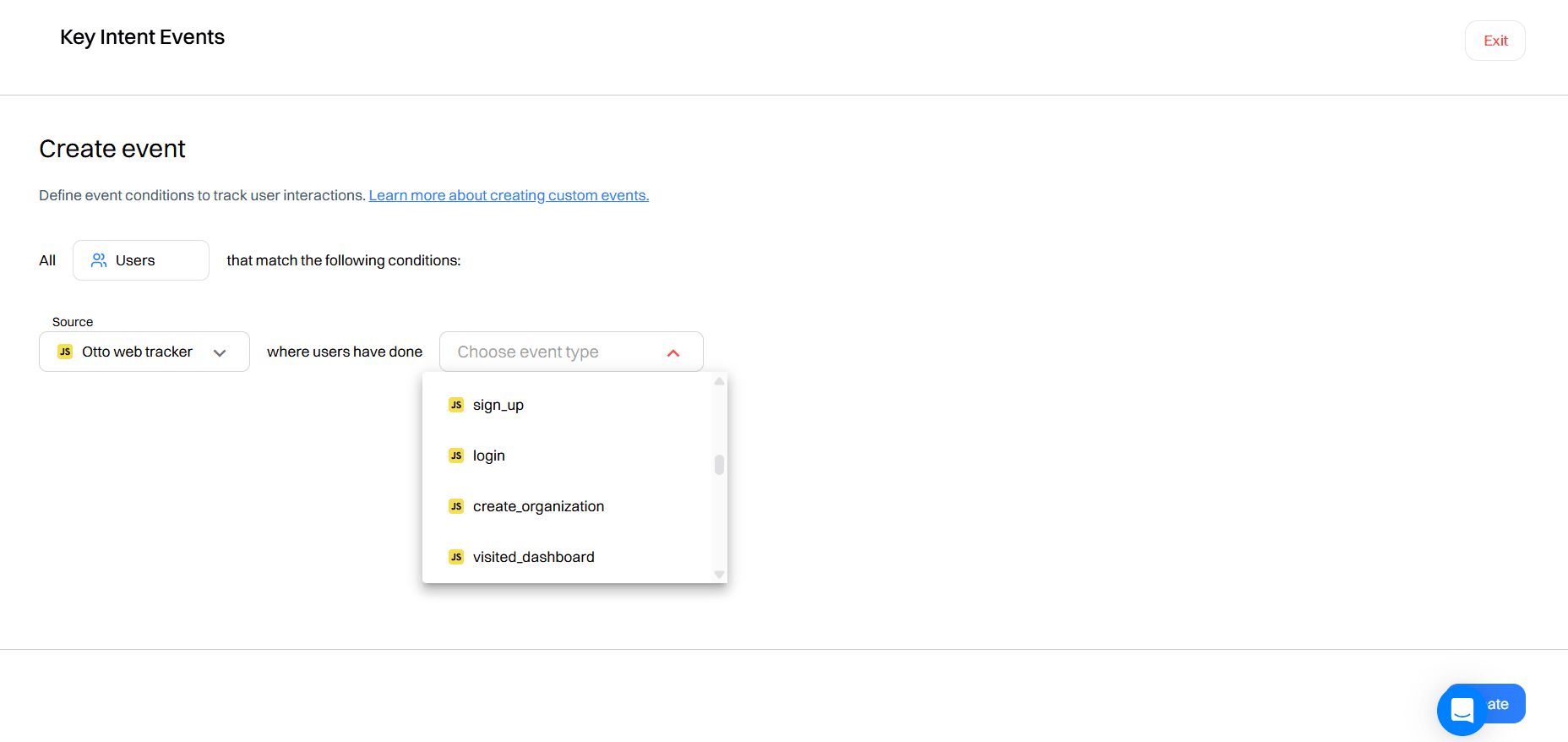
Check which events are already being tracked and confirm the following are in place: email_opened, link_clicked, site_visited, pricing_page_viewed, demo_booked, form_submitted. Create new events from Intempt's event builder for anything that isn't tracked yet. These signals are the foundation everything else runs on.
Step 2: Bring in contacts and add only useful context
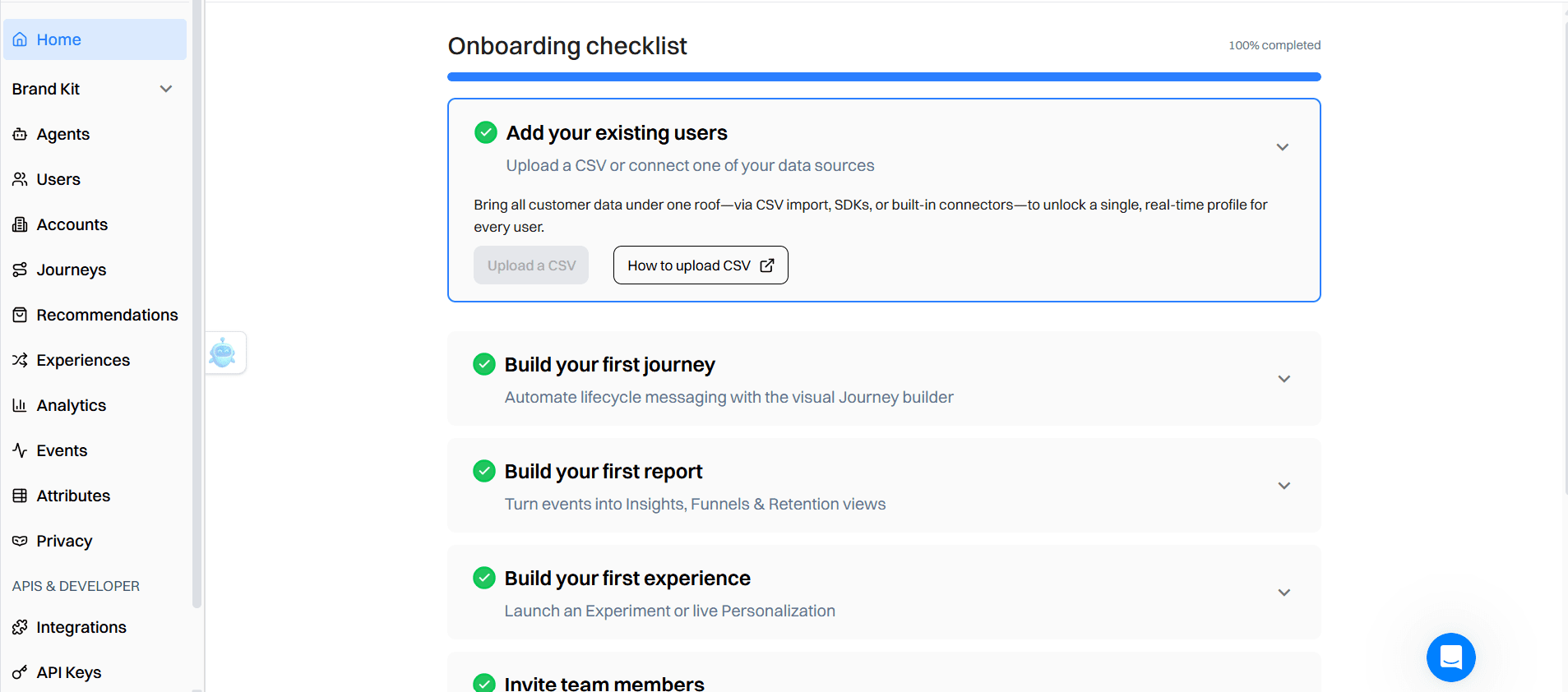
Import your leads from your list or connected sources. Use a Research Agent in Intempt to enrich the fields that actually change how you write or route: role, seniority, company size, industry, tech stack. Don't over-enrich. Fill in what you need for the first touch and move on.
Step 3: Define "ready" with Fit and Activity
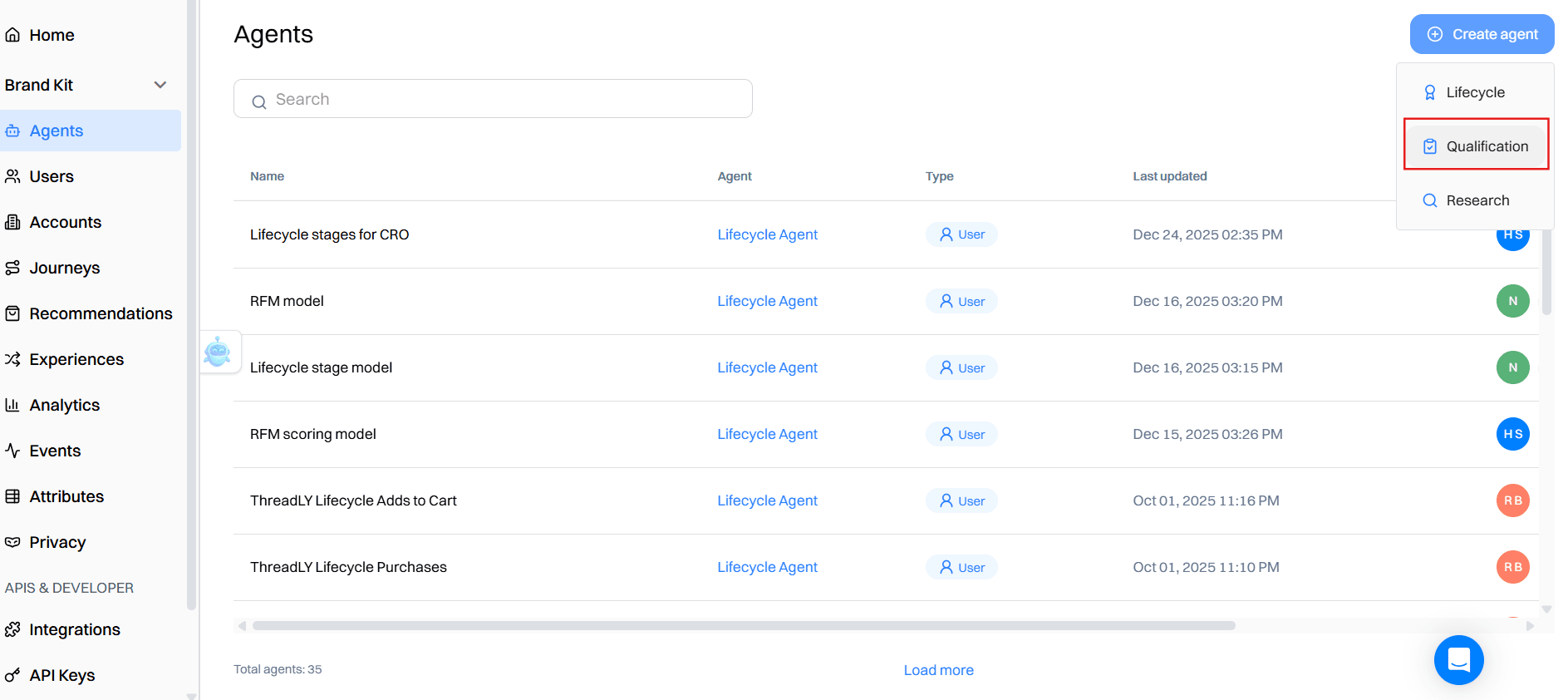
Create a Qualification Agent in Intempt that scores Sales Readiness using two inputs:
Fit: company details and ICP traits (company size, industry, stack match).
Activity: recent high-signal behavior (visited pricing page, returned to site within 7 days, booked a demo, replied to an email).
A contact needs to be worth a rep's time. Fit alone isn't enough. Activity without fit is noise.
Step 4: Build your sales-ready segments
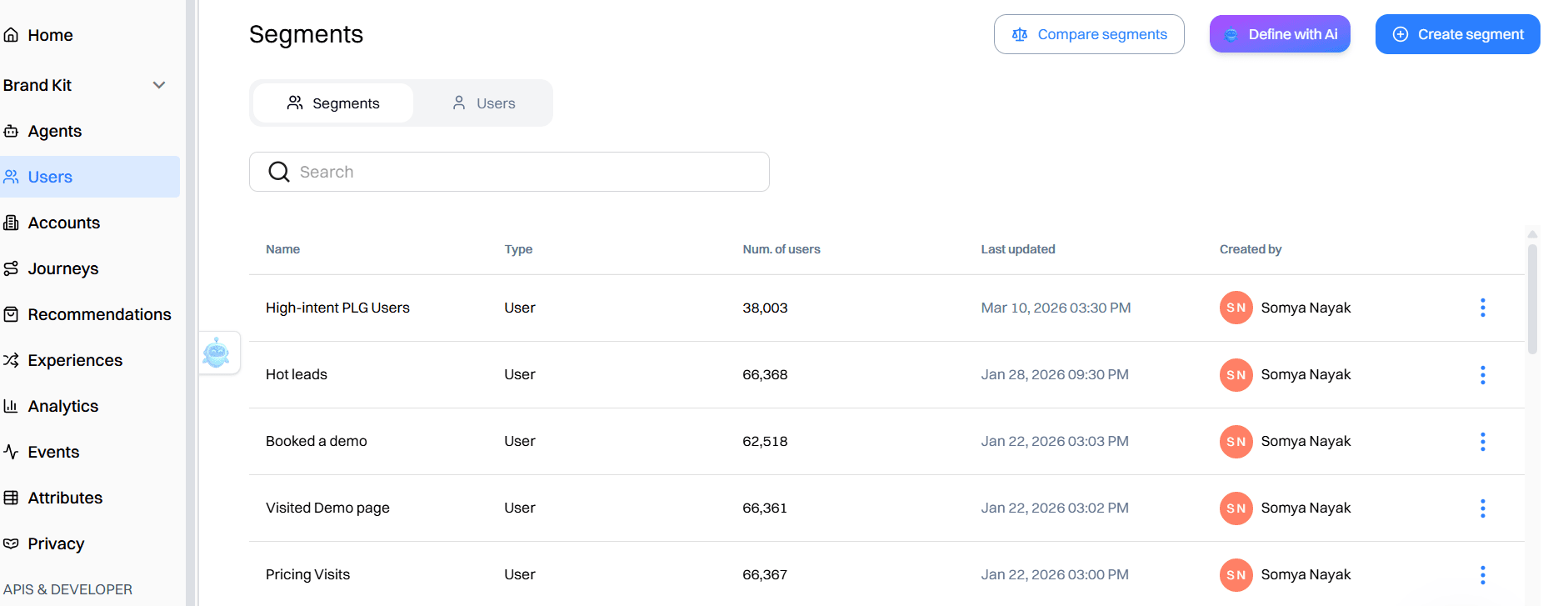
Create segments like High Fit + High Activity and High Fit + Medium Activity in Intempt. These segments update in real time as contact behavior changes. When someone moves into High Fit + High Activity, outbound kicks in or a rep gets routed immediately, without anyone having to manually check.
Step 5: Turn signals into outreach with Journeys
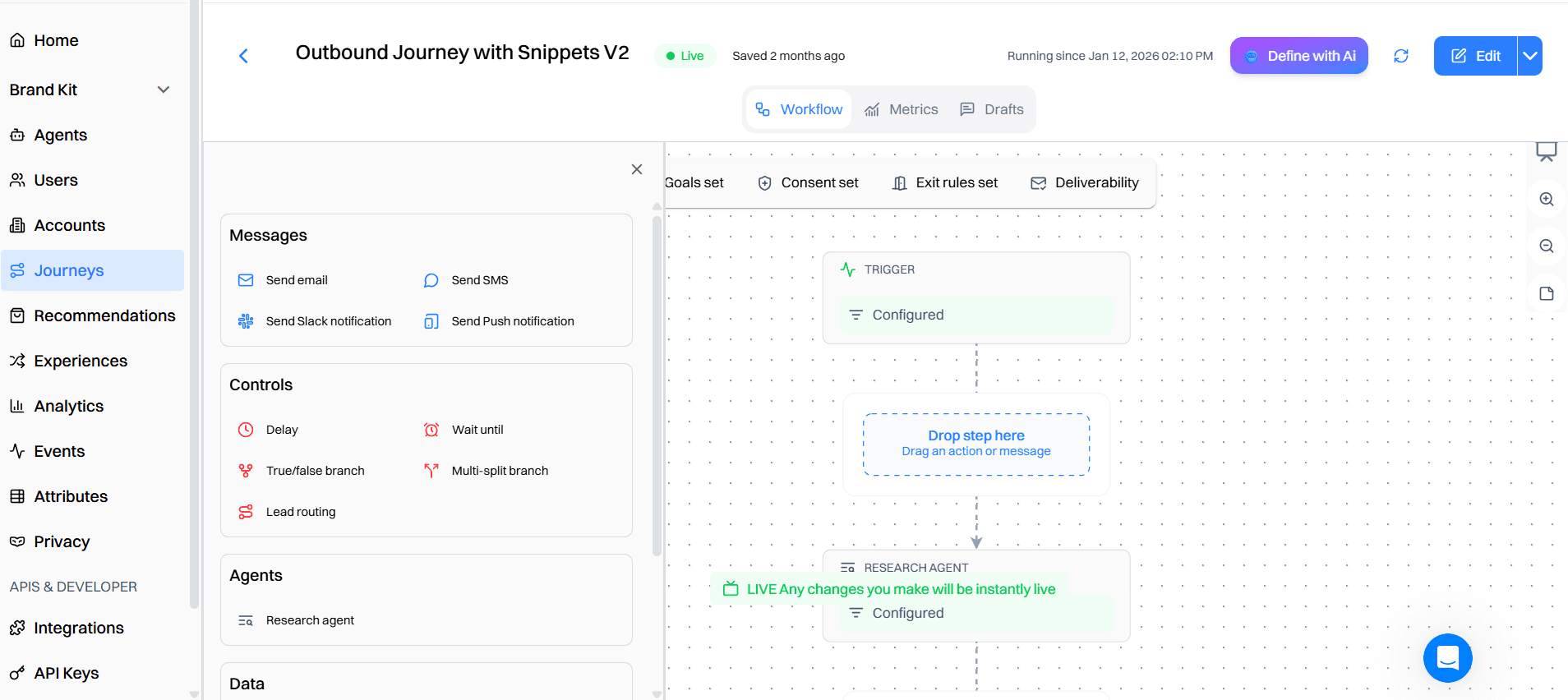
Launch a Journey in Intempt for your top segment. Keep it short: two or three steps with natural spacing between them. Branch on behavior: if a contact engages, move them forward; if they don't, slow down or re-score before continuing.
Use Smart Snippets to pull enriched research fields directly into the message, so each email includes that one specific, relevant line without the rep writing it manually. Set lightweight alerts so reps are notified the moment a reply comes in, or a meeting gets booked.
Step 6: Measure and tighten the loop
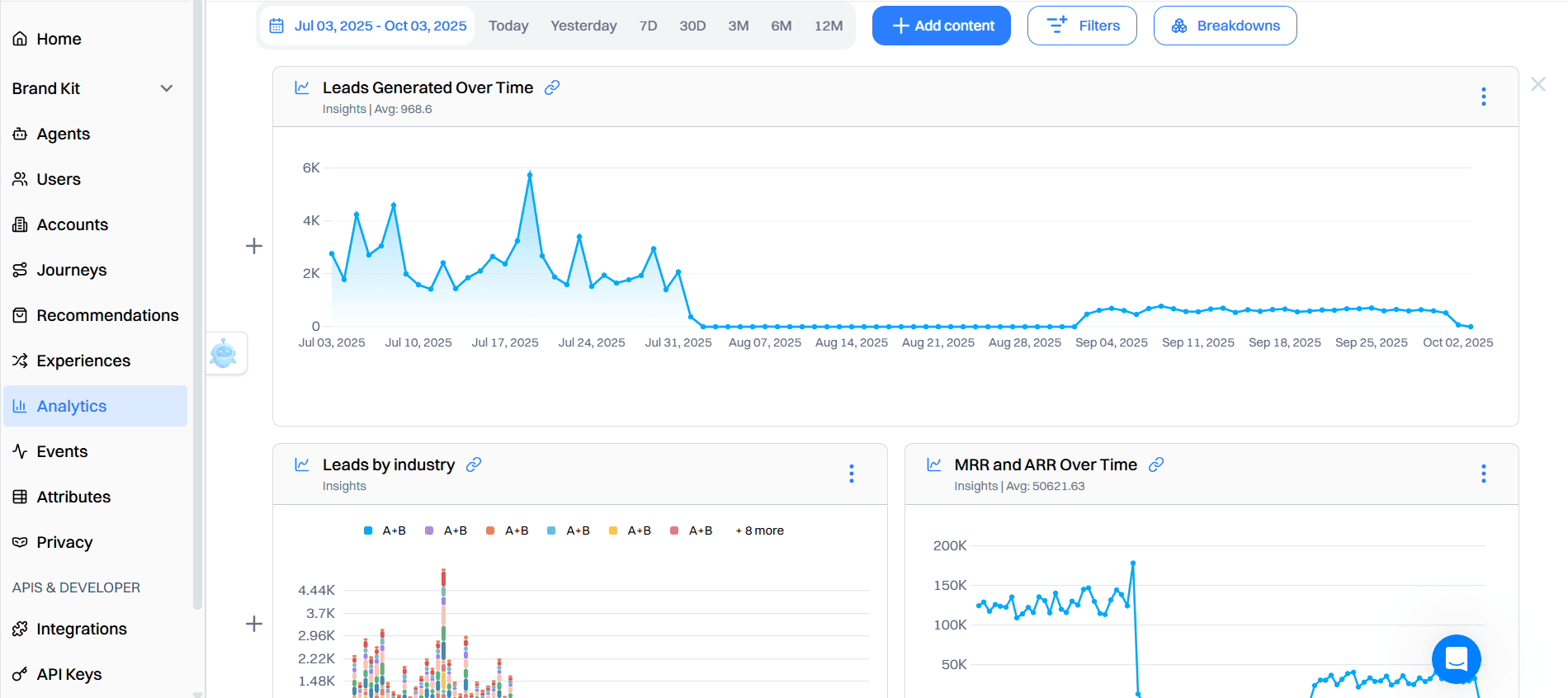
In Journey Analytics and Dashboards, track replies, meetings created, cycle time, and opportunities by readiness level. Look for which signals appear most often before a meeting gets booked. Adjust your Qualification Agent weights or segment rules based on what the data shows. The system gets more accurate every time you do this.
Results You Can Aim For
Here's what Intempt helped the event management company achieve, and what you can realistically expect applying the same approach. The timeline depends on what state your outbound is in when you start.
- Reply rates above 10% within 60 days once personalization is live on a healthy sending setup.
- Spam placement below 2% with inbox rotation, daily limits, and proper domain authentication in place.
- 40% or more reduction in wasted outreach once inbound signals drive suppression automatically.
- Faster, higher-quality meetings are booked because reps route on intent signals instead of a fixed cadence.
- Improved conversion after reply, as the system acts on inbound behavior instead of letting the moment pass.
- If your domain is already flagged, expect 4 to 6 weeks for cold email deliverability to normalize before reply rates move meaningfully. Do not push volume during that window.
What to Avoid When Fixing Burned Outbound?
1. Sending more from a damaged domain.
This is the most common mistake. If your domain is flagged or your spam rate is above 5%, adding volume makes it worse. Fix the domain first.
2. Treating personalization as subject line swaps.
Changing "Hi [First Name]" to something marginally less robotic is not personalization. Prospects notice research. One line showing you looked at their LinkedIn or their company news changes the response pattern. Swapping first names does not.
3. Leaving inbound and outbound in separate systems.
If your team does not know that a prospect visited your site the same day they got your email, you will miss the highest-impact moment in the funnel. And if your CRM cannot stop outbound from hitting someone who just became a customer, you will create exactly the kind of brand damage that is hard to undo.
4. Scaling before the foundation is fixed.
Volume is not the problem. Sequence is. Fix deliverability, then add personalization, then connect inbound signals. Each layer builds on the last. Skipping ahead costs more time than doing it in order.
5. Ignoring timezone and frequency data.
Sending at 3 pm your time when a prospect is in a different timezone, or hitting the same contact three times in a week, creates negative signals that hurt both deliverability and response rates.
Outbound Habits That Actually Compound
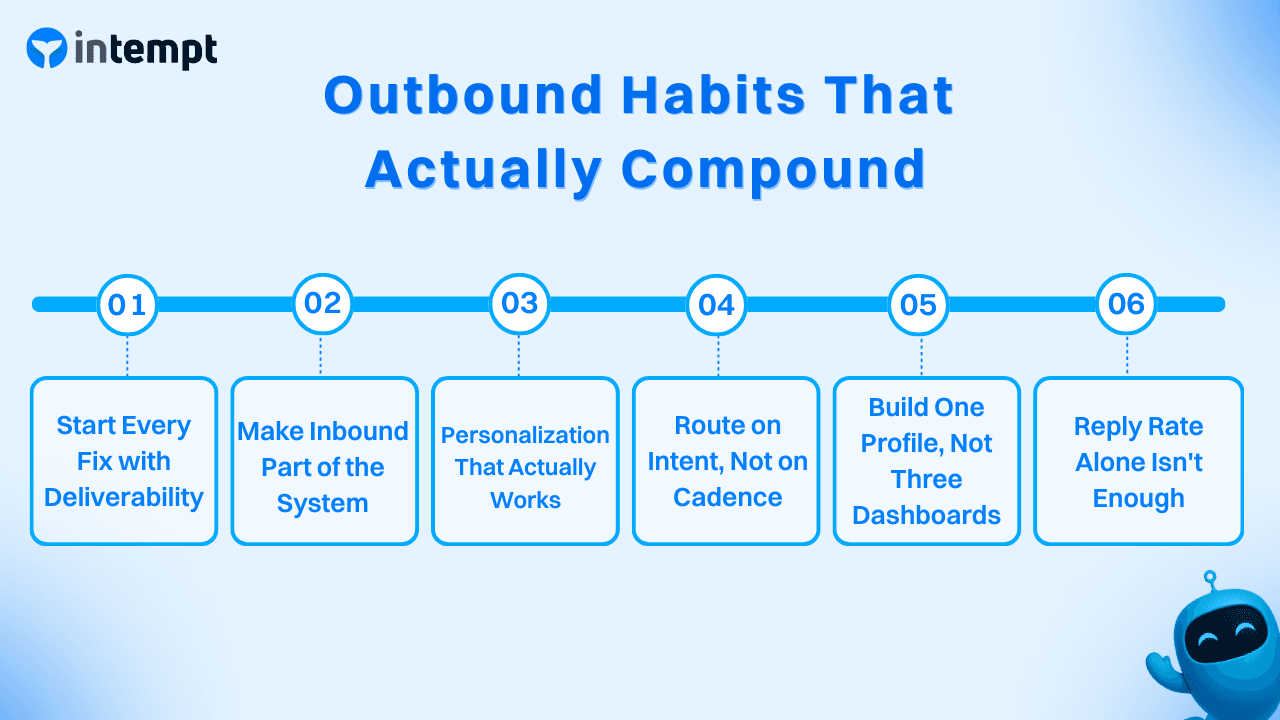
1. Start Every Fix with Deliverability
You cannot personalize your way out of a spam folder. Before touching copy or sequences, audit your domain health, set up proper authentication, rotate inboxes, and throttle volume. Everything else depends on the email actually arriving.
2. Make Inbound Part of the System
The same prospect who clicked your email and then visited your pricing page three days later is not the same prospect who has gone cold. Your system should know the difference. In Intempt, inbound behavior updates outbound rules in real time, not in a weekly sync.
3. Personalization That Actually Works
AI-generated personalization at scale works when it is specific. A line that references the prospect's last blog post, their recent hire announcement, or their company's stated initiative earns responses. A line that is clearly templated earns nothing. Keep the research bar high even when the process is automated.
4. Route on Intent, Not on Cadence
The default in most outbound tools is to route when a deal stage changes or when a rep manually updates a record. The better trigger is intent. When someone returns to the site twice in a week or books a demo from a cold email, that moment should fire a routing action immediately. In Intempt, routing rules trigger the instant intent signals to fire, not the next time a rep checks their queue.
5. Build One Profile, Not Three Dashboards
The moment your outbound data, your site identification data, and your product data live in three separate places, you lose context. The rep messaging a prospect does not know they are already a customer. The system suppressing contacts does not know they visited the site. A unified profile is not a nice-to-have. It is the infrastructure that makes everything else work. In Intempt, your outbound data, site identification, and product signals live in one place so context never breaks down between tools.
6. Reply Rate Alone Isn't Enough
Reply rate going up while meeting quality stays flat means you are generating conversations that do not convert. Track both. If personalization is working, the prospects replying should be more qualified, not just more numerous. The platform's 12% reply rate mattered because the conversations that followed were with real prospects, not just curious clickers.
Companies that treat outbound as a system (not a channel) compound their results over time. Each signal layer makes the next one more accurate. Each routing improvement reduces rep waste. The ceiling on this approach is significantly higher than anything volume alone can produce.
TL;DR
- The event management platform increased send volume on a single domain when the pipeline slowed, which drove reply rates below 1% and sent emails to spam.
- The fix started with pulling back to 20 sends per day, rotating inboxes, and enforcing smart sending rules through Intempt to stop repeat contacts and send at the right timezone.
- A research agent pulling from LinkedIn, company sites, and public signals added one personalized line per prospect, moving reply rates from under 1% to past 12%.
- Connecting inbound signals (site visits, return visits, demo bookings) to the same outbound motion stopped blind sending and routed high-intent prospects to the right rep in real time.
- The real breakthrough was treating the pipeline as a system: one profile per prospect, one set of suppression rules, and one source of truth for when and how to reach out.
- Intempt unified the outbound sequences, inbound identification, routing logic, and product activity so context was always current and outbound never ran blind.
- The fix was not a better copy. It had better infrastructure.
Frequently asked questions. Answered.
Spam placement is usually a sender reputation problem, not a list quality problem. When you send too much volume from a single domain without inbox rotation or authentication (SPF, DKIM, DMARC), inbox providers flag the sender before they evaluate the content. The fix starts at the infrastructure level, not the copy level.