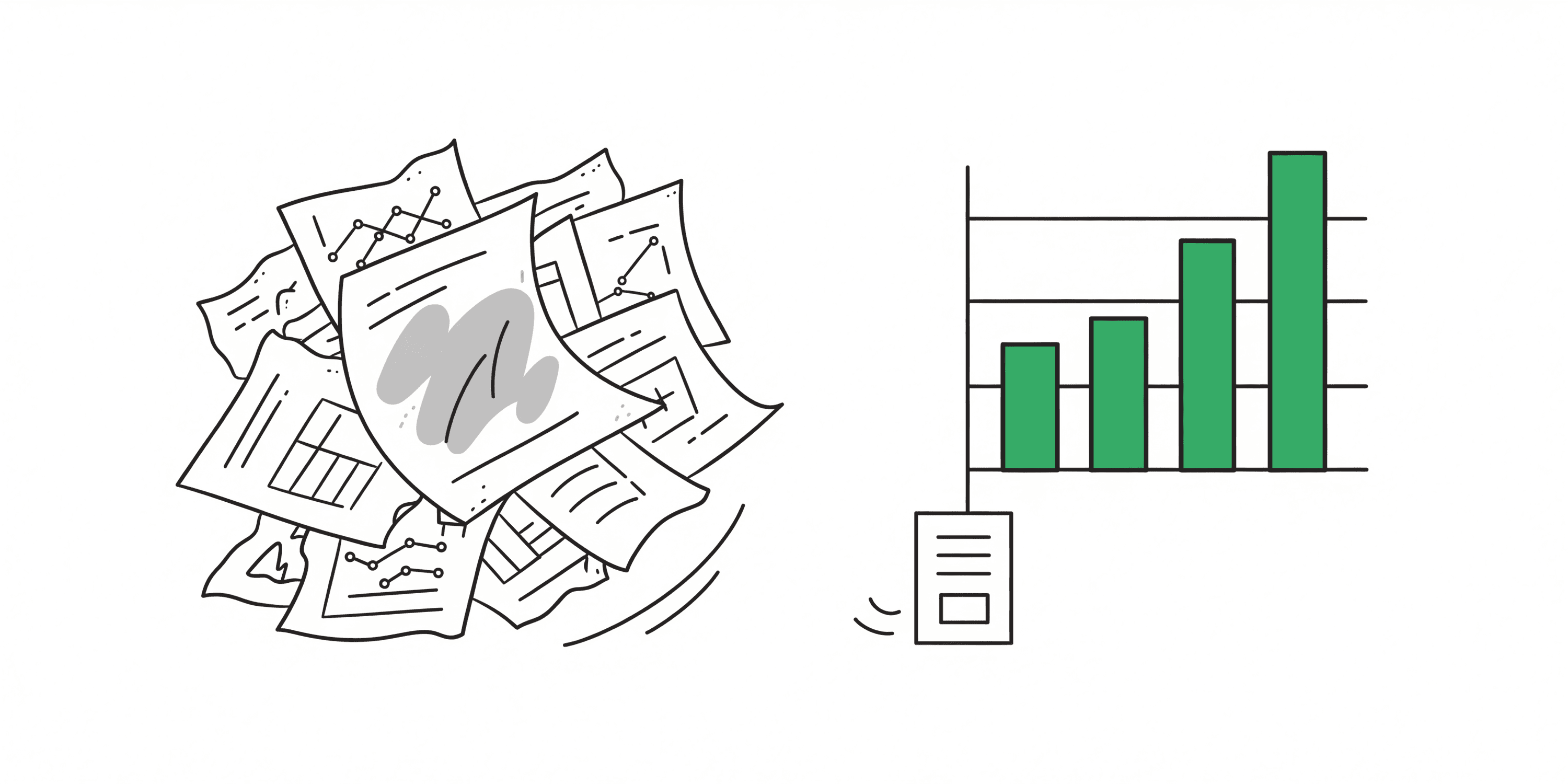

- Fully autonomous AI SDRs are the overhyped end of the category. Between 40 and 60 percent of pilots are paused within 90 days.
- Hybrid setups where AI drafts and a human approves generate about 2.3 times more revenue than autonomous-only, on roughly a third the meetings.
- Buy for the draft-aggressively, act-conservatively pattern. Reject any agent that sends without a human in the loop.
AI sales agents cover a real spectrum from genuinely useful to overhyped, and most content in this space doesn't say which end a given tool sits on. Here's the honest breakdown, then a real walkthrough of how Intempt's own Sell-workspace agents work end to end.
The rest of the post walks the honest category map, the failure data on autonomous-only setups, the 2.3x hybrid revenue finding that reframes what "more autonomous" actually means, a cautionary tale from the most visible autonomous vendor on the market, the draft-aggressively-act-conservatively pattern the winning agents run, and a walkthrough of Intempt's Sell agents. Related read: conversational AI for sales covers the practice-and-analysis layers above the outreach one.
The real category map: what's working, what's overhyped
The named field includes Mutiny, Salesforce Agentforce, Gong, Outreach, 11x (Alice), Clay, Clari, HubSpot Breeze, Regie.ai, and Apollo - each deploying autonomous agents in a distinct part of the sales workflow. But not all of it works equally well. If you're shortlisting outbound agents specifically, the AI SDR tools compared for demand generation go vendor by vendor.
| What's real | What's overhyped |
|---|---|
| Data-grounded personalization from real signals | Fully autonomous AI SDRs replacing a human entirely |
| Contact-level signal detection (funding, hiring, tech stack) | Zero-review auto-send at scale |
| Multichannel orchestration across 2-3 channels | "Set it and forget it" claims |
| Automated sequencing with human approval gates | Fully synthetic outreach with no authenticity check |
| Post-call summarization with CRM write-back | Autonomous negotiation on price or terms |
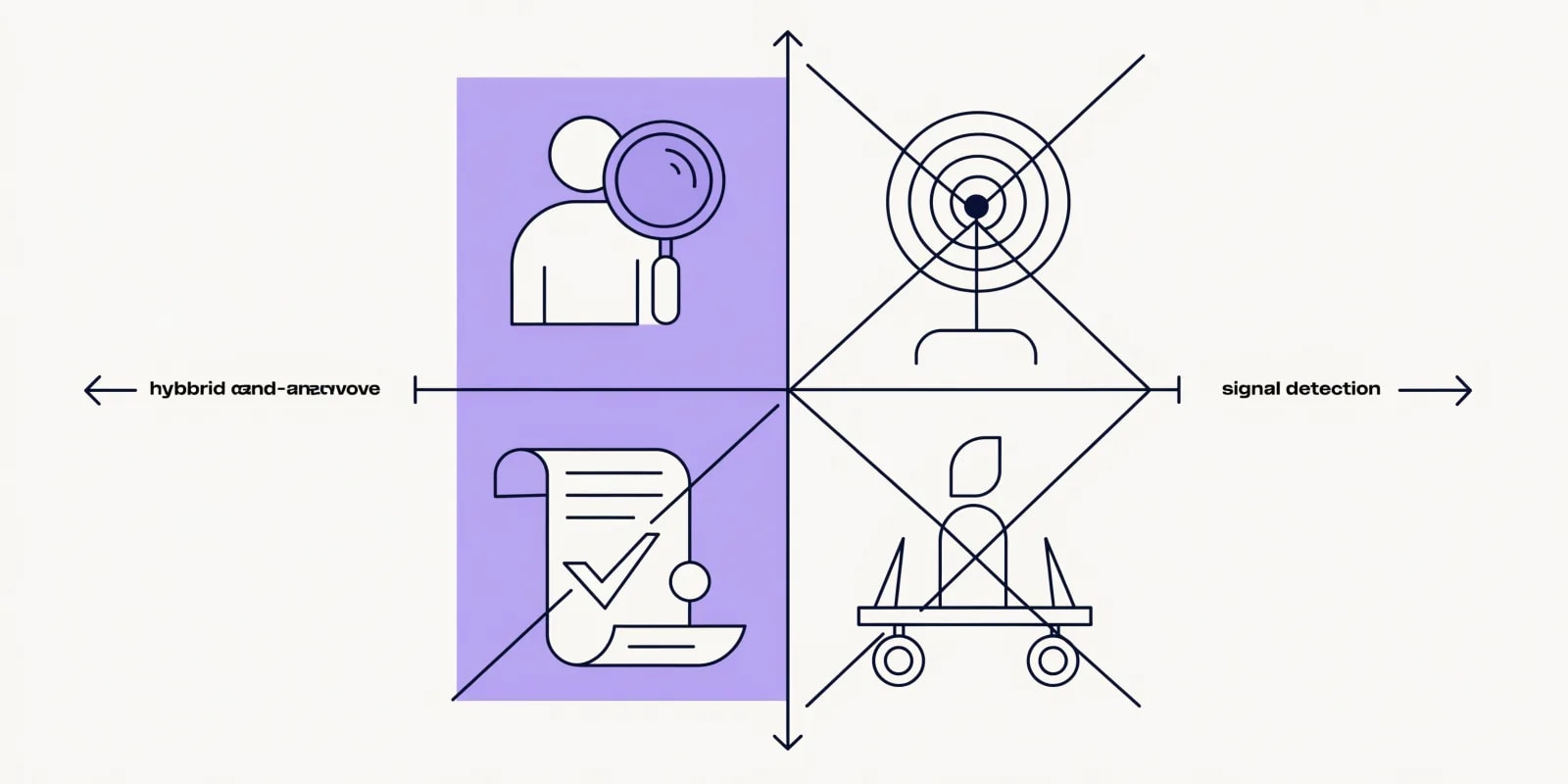
The honest anchor here: fully autonomous AI SDRs have hit real quality degradation, platform risk, and an authenticity gap that buyers increasingly penalize. The model that actually works keeps a human with final say on high-stakes decisions - teams trust the agent more, not less, when a person approves before anything goes out.
The honest failure data behind the overhype
41% of enterprise B2B teams report at least one AI SDR running in production as of Q1 2026, up from 12% a year earlier - the steepest single-year adoption jump in any sales technology category since marketing automation in 2014. But adoption isn't the same as success: 40-60% of AI SDR pilots are paused or shut down within 90 days, most often over broken CRM write-back (the single most-cited killer - when agent activity doesn't reliably land in the CRM, reps lose trust and route around the tool), poor deliverability, or compliance concerns.
| Metric | Result | Source |
|---|---|---|
| Per-rep monthly outbound volume | 1,150 (human baseline) → 7,400 (AI-augmented) | Apollo/ZoomInfo 2026 benchmarks |
| Raw reply rate | 4.7% → 2.9% (down as volume scaled) | Apollo/ZoomInfo |
| AI SDR pilots paused/shut down within 90 days | 40-60% | Lead-Gen Economy |
| Revenue: autonomous-only vs. hybrid (human-reviewed) setup | Hybrid generated ~2.3x more revenue on ~1/3 the meeting volume, at 3x+ the conversion rate | Salesmotion via GTM AI Podcast |
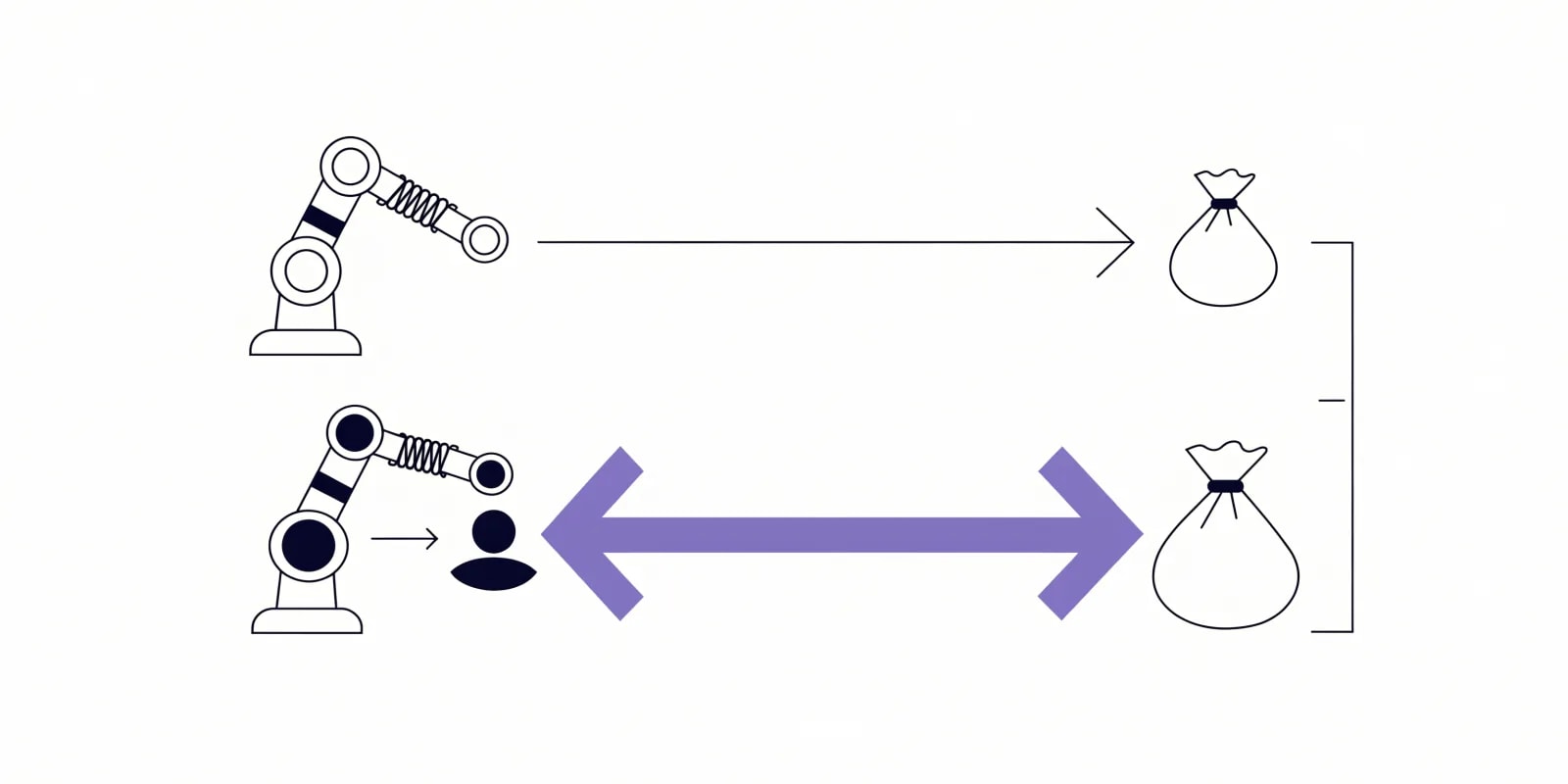
That last row is the real finding, not a talking point: more autonomy does not mean more revenue. The autonomous-only configuration booked far more raw meetings, but converted poorly. The hybrid setup - AI drafts, a human reviews before anything sends - booked roughly a third as many meetings and made over twice the revenue. Buyers in 2026 are sophisticated enough to detect AI-generated outreach and actively filter it out; G2 reviewers across multiple autonomous AI SDR platforms report prospects recognizing templated, AI-written messages on sight.
The four failure modes that kill a pilot at 90 days
- Broken CRM write-back. The single most-cited killer in cancellation reports - if the agent's activity doesn't reliably land in the CRM, the rep loses trust in the state of their pipeline and routes around the tool.
- Deliverability collapse. Sending volume jumped, sender reputation fell, and the entire team's inbox placement degraded. Recovery takes weeks, and the deliverability team blames the agent.
- Compliance blowback. In regulated industries (financial services, healthcare) legal flags templated messages under CAN-SPAM/GDPR because "substantially similar content sent from an automated system" trips consent requirements.
- Authenticity gap. Prospects screenshot the agent's copy on LinkedIn and the team's brand takes the hit. Once that happens twice, the CRO pauses the pilot.
A real cautionary tale: 11x and Alice
11x's "Alice" is the most visible fully-autonomous AI SDR on the market, priced around $5,000/month billed annually with a $50,000-60,000 first-year minimum plus $3,000+ in implementation fees. A March 2025 TechCrunch investigation found the company had listed companies as customers that denied being clients (ZoomInfo and Airtable both denied it), that reported ARR had been inflated by counting short trial contracts as annual revenue, and that customer churn was running 70-80% against the company's own stated 79% retention figure. 11x is now mid-stabilization - new CEO, a product re-platform, and a heavy SEO push to keep dominating AI SDR search results despite the controversy.
The product-level problem compounds the trust problem: Alice's personalization engine has no access to real-time buying signals like job changes, funding rounds, or hiring activity, so its outreach runs on static profile data instead of in-market timing. One recurring independent review estimate: Alice replaces about 40% of an SDR's actual job, at 100% of the cost. That's the overhyped end of the spectrum in one case study - a fully autonomous agent, marketed as a replacement, that can't see the signals that make outreach relevant in the first place, wrapped in a vendor-integrity controversy on top.
The draft-aggressively, act-conservatively pattern
The winning pattern in every dataset above shares a shape. The AI drafts as much as it can - the sequence, the follow-up, the summary, the CRM update - so the rep starts from something instead of a blank state. The AI does not act on the world without explicit approval - no auto-send, no auto-book, no unilateral CRM change on a deal. The 2.3x hybrid revenue advantage is the direct payoff.
| Job | Aggressive drafting | Conservative acting |
|---|---|---|
| Cold outreach | AI drafts the sequence with real signals | Rep approves before send; deliverability and brand stay intact |
| Reply handling | AI classifies and drafts three response options | Rep picks or rewrites; nothing sends automatically |
| Call summarization | AI produces the transcript, structured summary, and CRM update | Rep reviews the summary; the CRM write-back is confirmed, not silent |
| Follow-up | AI drafts the next email based on the call | Rep sends; the AI never becomes the last touchpoint before contract |
| Coaching | AI surfaces the pattern (talk ratio, objection handling) | Manager decides what to do about it; the tool doesn't reassign reps |
The mechanism the pattern turns on: human attention lands on the specific decision that carries risk (the send, the book, the CRM edit), not on the mechanical work in front of it (the draft, the summary, the classification). That reallocation is what produces the multiplier, and it's what breaks when a vendor sells "fully autonomous."
Walkthrough: Intempt's Sell-workspace agents
Two specialist agents cover the Sell workspace, each with a human-review gate built in, not bolted on:
SDR - cold to closed
- Define your ICP: industry, company size, role, no existing deal, not recently contacted.
- Researches funding signals, hiring activity, and tech stack before drafting the first word.
- Writes a full 5-step multi-touch sequence - cold intro, different angle, social proof, value-add, breakup - with real personalization tokens.
- Categorizes replies by intent and drafts contextual follow-ups for rep review. No auto-send, no copy-pasting.
Account Executive - every call recorded, summarized, acted on
- Joins the call with a consent notification, speaker-labeled transcription with a custom glossary for your terms. That capture layer is what conversation intelligence tools sell on their own.
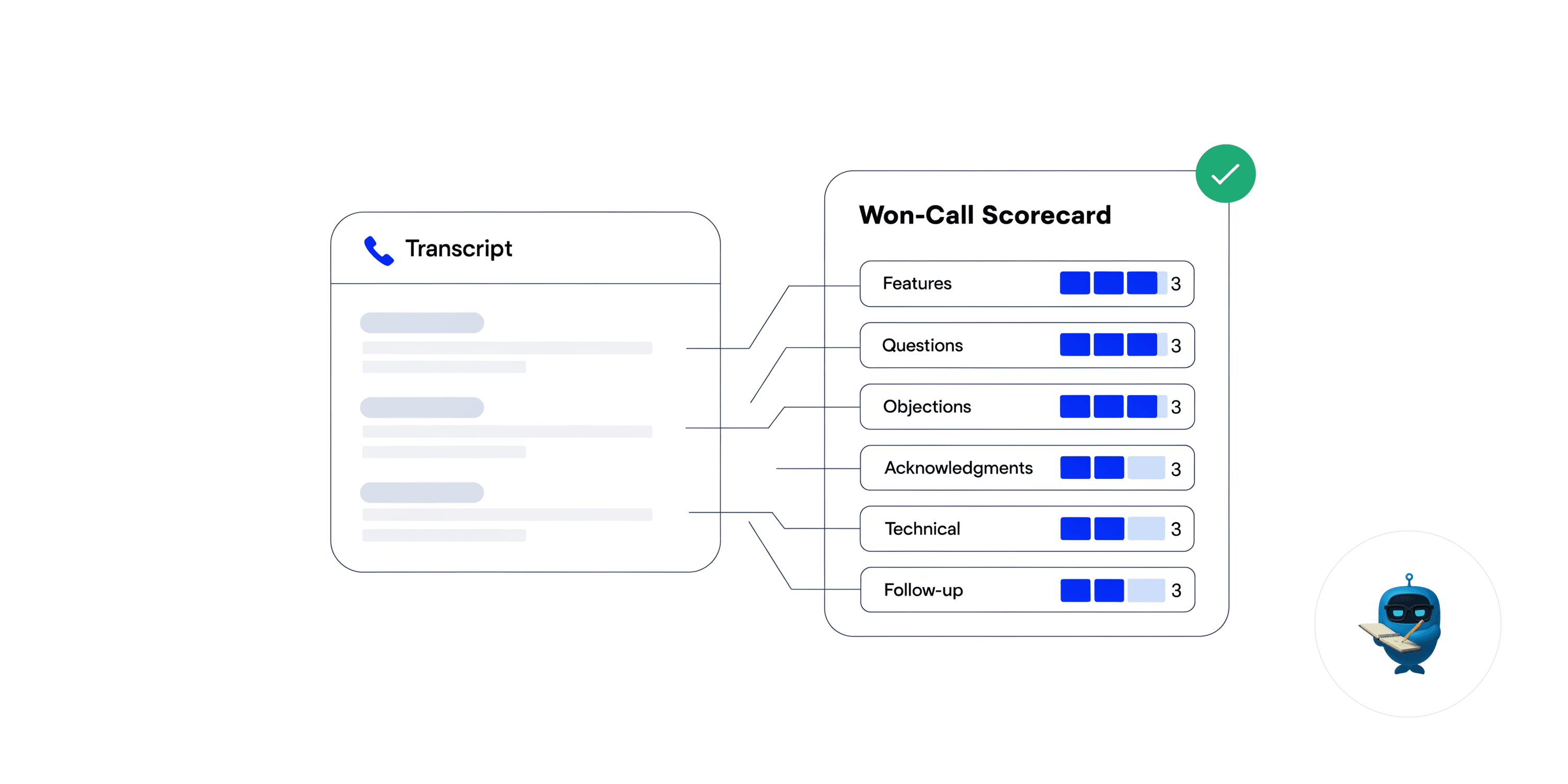
- Extracts decisions, action items, objections, and sentiment into a structured CRM-ready summary within minutes.
- Updates the deal timeline and drafts (not auto-sends) a follow-up email for rep review.
- Surfaces coaching patterns - talk-to-listen ratio, question frequency, objection handling - tracked over time. Scoring those against your own wins is the idea behind coaching from closed-won calls.
Both agents draft, a rep approves - see the same pre-call research step standalone with the AI Meeting Prep Generator, free on Intempt's free plan, no trial timer.
The rollout checklist that keeps a pilot alive past day 90
Every long-running AI SDR program shares the same rollout backbone. Every canceled one skipped at least one item on this list. This is not vendor-specific; it applies to Alice, Regie, Intempt, or an in-house build the same way.
- Verify CRM write-back on day one. Send one test sequence, confirm every activity landed on the right record, before the second sequence launches.
- Warm up sending domains before the volume ramp. Cold-launching 7,400 messages a month on a fresh domain kills deliverability by week two.
- Get compliance sign-off on the template shape before the first send in regulated industries. Retro-fitting a legal review after cancellation costs a quarter.
- Name a program owner. Same lesson as every other agent rollout in this stack: no owner, no adoption, month-four shelfware.
- Set the 90-day gate explicitly. Reply rate, meeting quality, revenue-per-meeting, and CRM-hygiene score. Anything missed by day 90 triggers a pause, not a re-forecast.
What AI sales agents still cannot do
The contrarian close. The agent takes the mechanical layer off the rep's plate. It does not carry the deal.
- It does not build trust with a stakeholder over multiple calls. That is still the rep's job.
- It does not read the room in a negotiation. Autonomous negotiation on price or terms is the overhyped end of the category.
- It does not source the ICP. Better outreach to the wrong accounts is still the wrong outreach. Finding the right accounts is a job for AI prospecting and list tools.
- It does not survive vendor-integrity failure. If the vendor's numbers are inflated or the write-back is broken, the tool goes.
- It does not fix a broken sales process. An agent inside a bad qualification rubric produces qualified garbage faster. See where AI actually helps MEDDPICC and multi-threading.
More on AI sales tools
- Generative AI for sales, with sourced numbers: which time-saving stats trace back to a real report and which get recycled.
- The best sales engagement tools: nine sequencing platforms, who owns them, and which ones publish a price.
- Outreach.io alternatives: options for teams leaving Outreach over per-seat pricing and manual research.
- Salesloft alternatives: what replaces a Salesloft setup that needs a separate CRM and call recorder bolted on.
- Otter.ai alternatives: meeting note takers compared on what they do after the call, not just the transcript.
- How to close more deals with Opus 5.5: six prompts for the gaps between sales calls, from the five-minute follow-up to the forecast check.
The takeaway
If a vendor's pitch is "fully autonomous," ask specifically what ships without a human clicking send. The AI sales agents actually earning trust in 2026 draft aggressively and act conservatively - that's the real differentiator, not the word "autonomous" on a landing page. Every dataset above says the same thing: the multiplier isn't more AI, it's better placement of the one thing the AI can't do, which is take the responsibility of pressing send.