

- The best Claude skills for lead generation compress the mechanical layer of outbound into skills with stated methods. Same job, same output shape, every time.
- This pack picks 8 free Claude Code skills for founders, SDRs, and growth leads: list builder, list cleaner, fit scorer, Monday list, cold opener (subject line included), sequence doctor, reply classifier, call booker.
- Run each skill against your own ICP. Reject copy-pasted best practice.
Lead generation breaks in a predictable order. The list is wrong, so the opener cannot be specific, so the sequence gets longer to compensate, so replies get harder to classify, so nobody handles them, so the pipeline that was supposed to fill this quarter fills next quarter instead. The default response to any one of those steps is a new tool - a better list source, a better AI writer, a better sequencer. The next step in the chain then breaks the same way.
The real problem is upstream of every tool. Lead gen has never been documented as a method - it lives in the SDR's head, or in a shared Notion doc that drifts. So two people running "the same" outbound motion end up running two different motions, and the numbers on the other side are not comparable.
Claude Code skills fix that at the primitive layer. A skill is a versioned SKILL.md file with a stated method - the inputs it asks for, the framework it applies, the shape of the output it returns. Same skill, same shape, every run. Which means the-list-builder run by an SDR and by a founder produce the same scored list; the-cold-opener run against the same signal produces the same shape of message; the-reply-classifier categorizes replies the same way every time.
What is a Claude Code skill
A Claude Code skill is a versioned SKILL.md file that Claude Code reads from a local .claude/skills/ folder. For lead gen work, the inputs are usually an ICP definition, a raw contact list, or a call transcript. The output is a structured read - a scored list with evidence, an email body with a stated framework, a categorized reply with a recommended action.
For the primitive-layer explainer, see the hub: Claude Code skills: what they are and which ones earn their install. For the full SDR pack write-up, see best Claude Code skills for SDRs and best Claude skills for outbound marketing.
Why lead gen teams need Claude skills now
Two shifts have made outbound harder. First, Google and Yahoo tightened bulk sender enforcement in February 2024, so a sloppy list now translates directly into deliverability damage that lingers for weeks. Second, generic AI email tools have flooded the same inboxes with plausible-but-empty messages, so the bar for a message worth reading has moved up. Both trends push the value of a stated-method approach up.
The skills below answer three questions any lead gen team keeps re-asking:
- For this ICP, which accounts on our list actually match - and which are we scoring by wishful thinking?
- For this signal, what is a message that names the signal without being creepy about it?
- For the replies we already got, which are worth a human answer and which are dead?
Install the pack in about 30 seconds
The 8 skills below all live in the SDR pack. One command installs them, then restart Claude Code.
npx skills add sidchaudhary/gtm-skills/skills/sdr

# Restart Claude Code, then confirm:
# "What lead gen skills do you have available?"8 best Claude skills for lead generation
1. the-list-builder - source and score in one pass
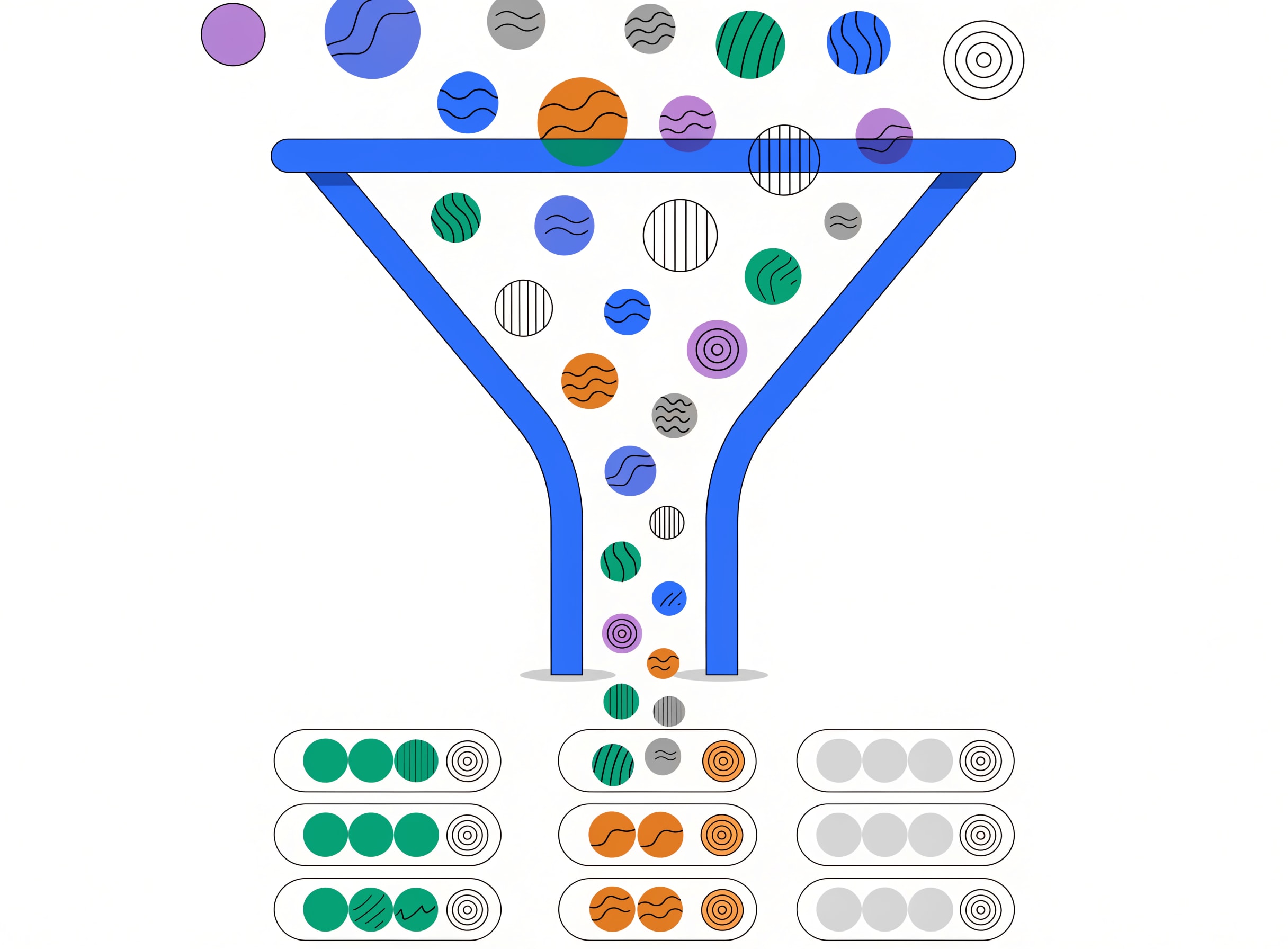
The core sourcing skill. Takes your ICP and either sources a list from data you provide or from public web research, then scores every account Hot/Warm/Cold/Skip with evidence and a confidence score per lead. Refuses to invent enrichment - if it can only see a company name and cannot verify a title, it says so, rather than making up a plausible one.
When to use: When you know your ICP but not your list. Also whenever a marketing campaign needs a segment you have not yet built.
How to run:
You: "Run the-list-builder for our ICP."
      [context: ICP definition + seed criteria]

Claude: -> scored account list (Hot / Warm / Cold / Skip)
        -> evidence per lead
        -> confidence per lead
        -> what was inferred vs observed
-> honest gaps where enrichment is missingBest used with: A tight ICP. "US SaaS companies" is not an ICP; a real definition with employee band, geo and stack signals is.
Where this skill hits its ceiling: It scores; it does not send. That is the-cold-opener downstream.
With Intempt: Scored lists become audience segments inside the Sell workflows so the outbound cadence runs against the same profile.
2. the-list-cleaner - the copy problem that is not a copy problem
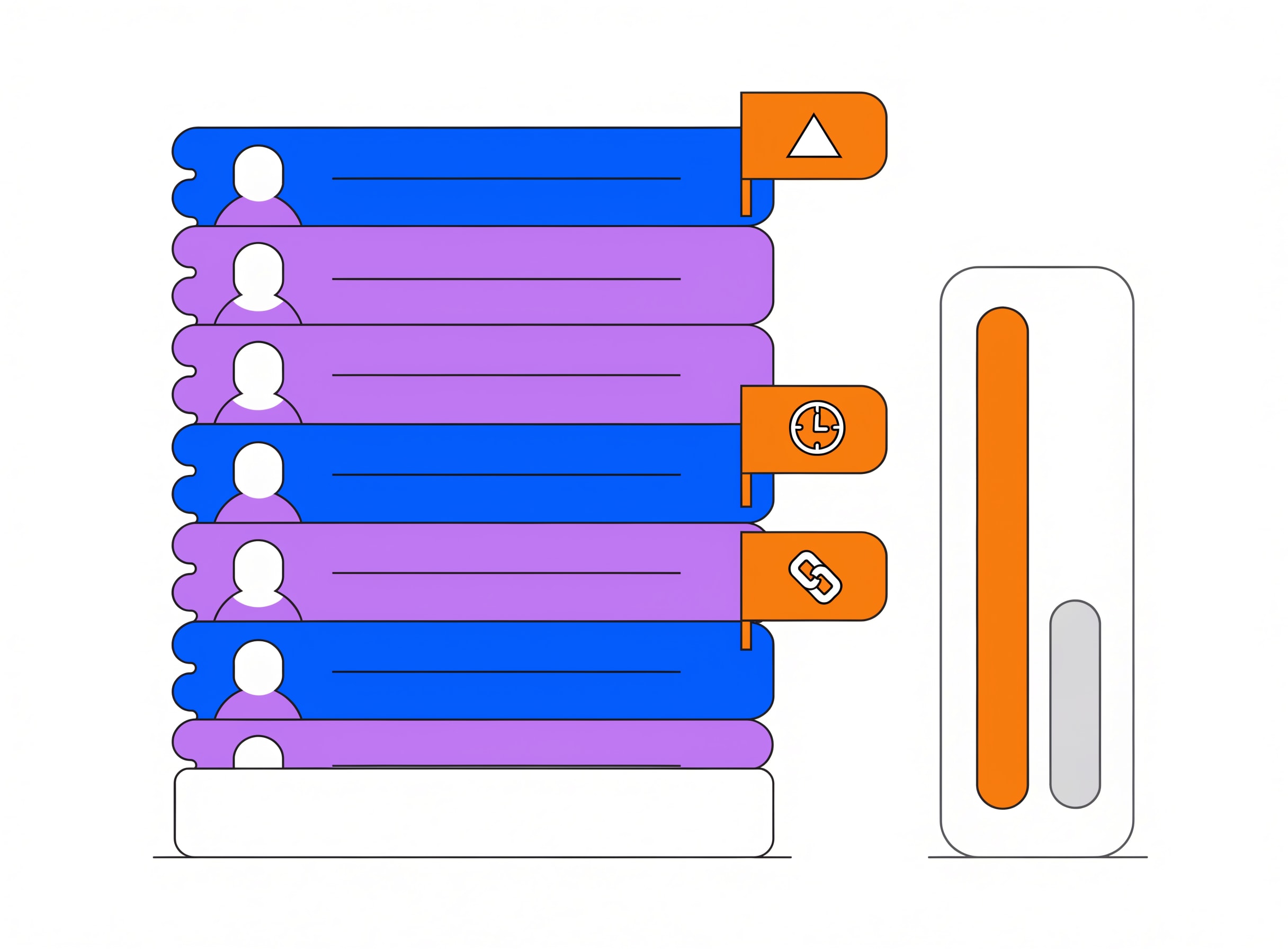
Cleans a raw prospect list before it goes into a sequence - dedupes, flags wrong titles, stale roles, wrong companies, and broken data - without silently deleting anything. Deliberately non-destructive: the skill flags, you decide. This is the highest-impact first run when reply rates are low, because the failure mode is almost always list quality dressed up as a copy problem.
When to use: Before any sequence launch, or whenever the team is about to rewrite copy because replies dropped. Run this first - if the list has drifted, the rewrite will change nothing.
How to run:
You: "Run the-list-cleaner on our raw export."
      [paste: raw contact list]

Claude: -> duplicates flagged (not deleted)
        -> wrong titles / stale roles / wrong companies
        -> broken data (missing keys, malformed emails)
-> the confidence-per-flag so you can filterBest used with: A real export, ideally with the source noted.
Where this skill hits its ceiling: It cleans; it does not source. That is the-list-builder.
With Intempt: Cleaned lists sync into the pipeline so the drift check happens against the live profile.
3. the-fit-scorer - the existing list, prioritized honestly

Scores an account list that already exists against ICP criteria and returns a priority tier of High, Medium or Low with a one-sentence outreach rationale per account, plus what was inferred versus observed. Different from the-list-builder (which sources) - this is for prioritising a list you already have before an outbound campaign.
When to use: When you have an ABM list, an inbound backlog or a marketing segment and need to know which to work on first.
How to run:
You: "Run the-fit-scorer on this account list."
      [paste: account list + ICP criteria]

Claude: -> priority tier per account (High / Medium / Low)
        -> one-sentence outreach rationale per account
        -> what was inferred vs observed
        -> confidence per score
-> the accounts we should DROP from this listBest used with: Real ICP criteria and a real list.
Where this skill hits its ceiling: Scores existing lists. Sourcing new ones is the-list-builder.
With Intempt: Tiered accounts feed the Sell workflows so priority is a live field, not a screenshot.
4. the-monday-list - what to work on Monday, ranked by decay

Takes a batch of intent signals from across the pipeline and returns a ranked outreach list with the signal, the rationale, and a suggested channel per account, ordered so the week starts with action rather than reading. Ranks by fresh signal and its decay curve, not by evergreen score - a hiring signal fires and cools fast; a website visit signal is even faster.
When to use: Monday morning, before you start on the queue. Also whenever a batch of signals just landed and the team is debating priority.
How to run:
You: "Run the-monday-list for this week."
      [paste: batch of intent signals + account context]

Claude: -> ranked outreach list (freshest signal first)
        -> the signal per account
        -> the rationale for the ranking
        -> suggested channel per account
-> the signals we DEPRIORITIZED and whyBest used with: Real intent signals from your CRM or tools, not aggregate lists.
Where this skill hits its ceiling: It ranks; the SDR still owns the first message.
With Intempt: Signal queues run inside the Sell workflows where the decay curve is a live metric.
5. the-cold-opener - the first email, signal-first
Takes a specific prospect, a named trigger signal and your product value prop, then writes a complete cold email body under 120 words that references the signal without being creepy. The output has to name the signal, connect it to a specific consequence, and offer one thing worth trying that is not a demo request. Subject line variants ship in the same run - the top 40 pixels of your outreach is the same job as the first line, not a separate skill.
When to use: Once the-list-builder has produced a Hot tier with real signals attached, or once the-monday-list has ranked what to work on this week.
How to run:
You: "Run the-cold-opener for this account."
      [context: prospect research + trigger signal + value prop]

Claude: -> email body, under 120 words
        -> the signal named specifically
        -> the connection to consequence
        -> one thing worth trying (not a demo request)
-> subject line variant optionsBest used with: A real signal.
Where this skill hits its ceiling: One email at a time. Multi-step sequences are the-sequence-doctor downstream.
With Intempt: Openers plug into the outbound cadence and the reply is classified back into the pipeline.
6. the-sequence-doctor - audit before you rewrite the sequence
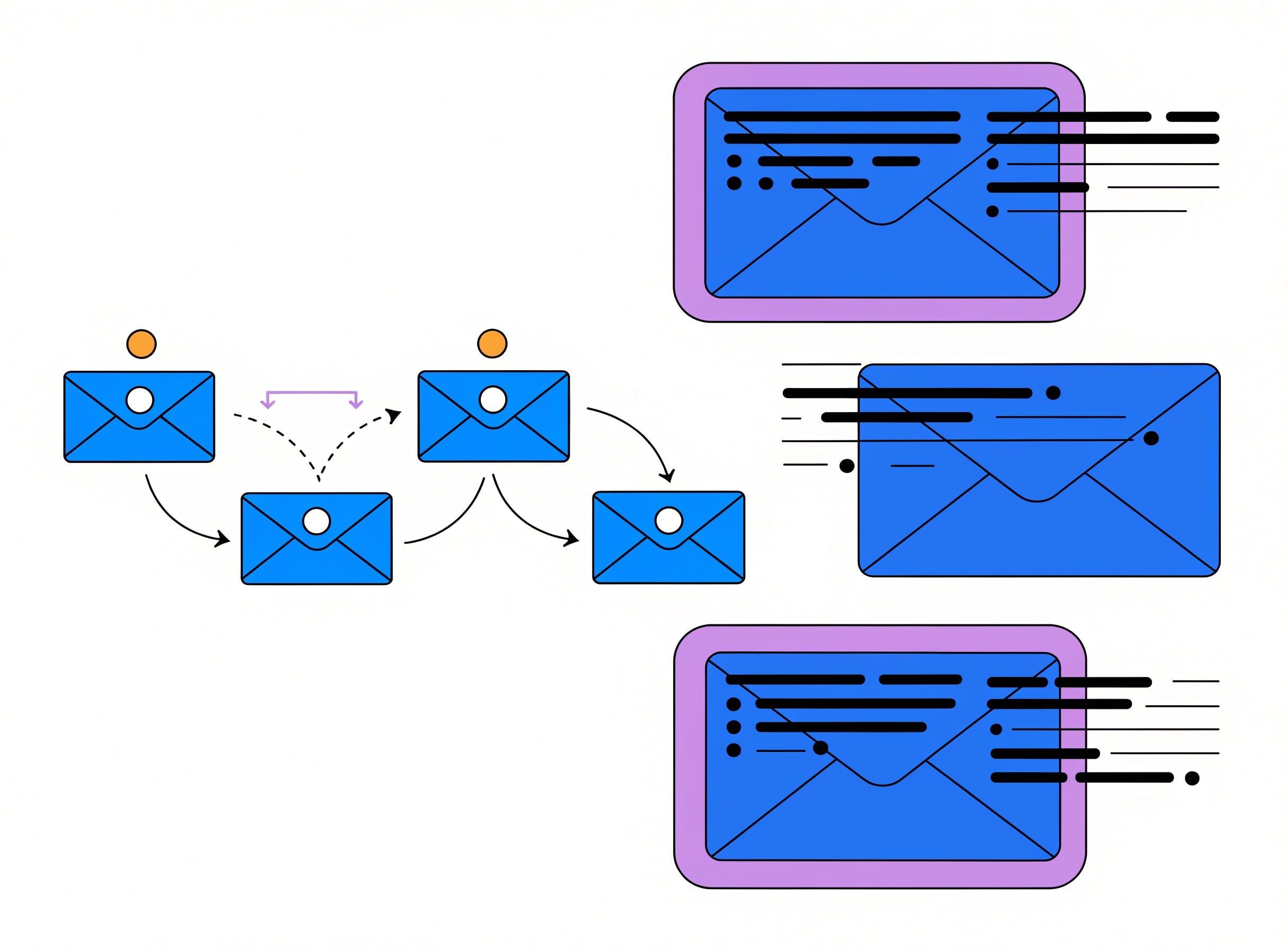
Builds a full multi-touch sequence from scratch, or audits an existing cold outbound email sequence: gap analysis per email, full rewrites of the three weakest, and a recommendation for any missing step in the sequence shape. Audit-before-rewrite is the discipline on the audit side. Teams retire sequences based on the last week's reply rate, which is noisy; the audit tells you whether the sequence's shape is broken or whether the reply rate dip is temporary.
When to use: Reply rates are dipping and the cause is unclear, before launching a new sequence, or during a quarterly outbound review.
How to run:
You: "Run the-sequence-doctor on our outbound sequence."
      [paste: sequence + last 30 days of reply data]

Claude: -> gap analysis per email
        -> the 3 weakest emails, fully rewritten
        -> missing step (if any)
-> what NOT to changeBest used with: Real reply data.
Where this skill hits its ceiling: It audits; it does not send.
With Intempt: Rewritten emails plug into the Sell workflows so the SDR sees the audit's version, not the version that was there before.
7. the-reply-classifier - the pile of replies, sorted honestly
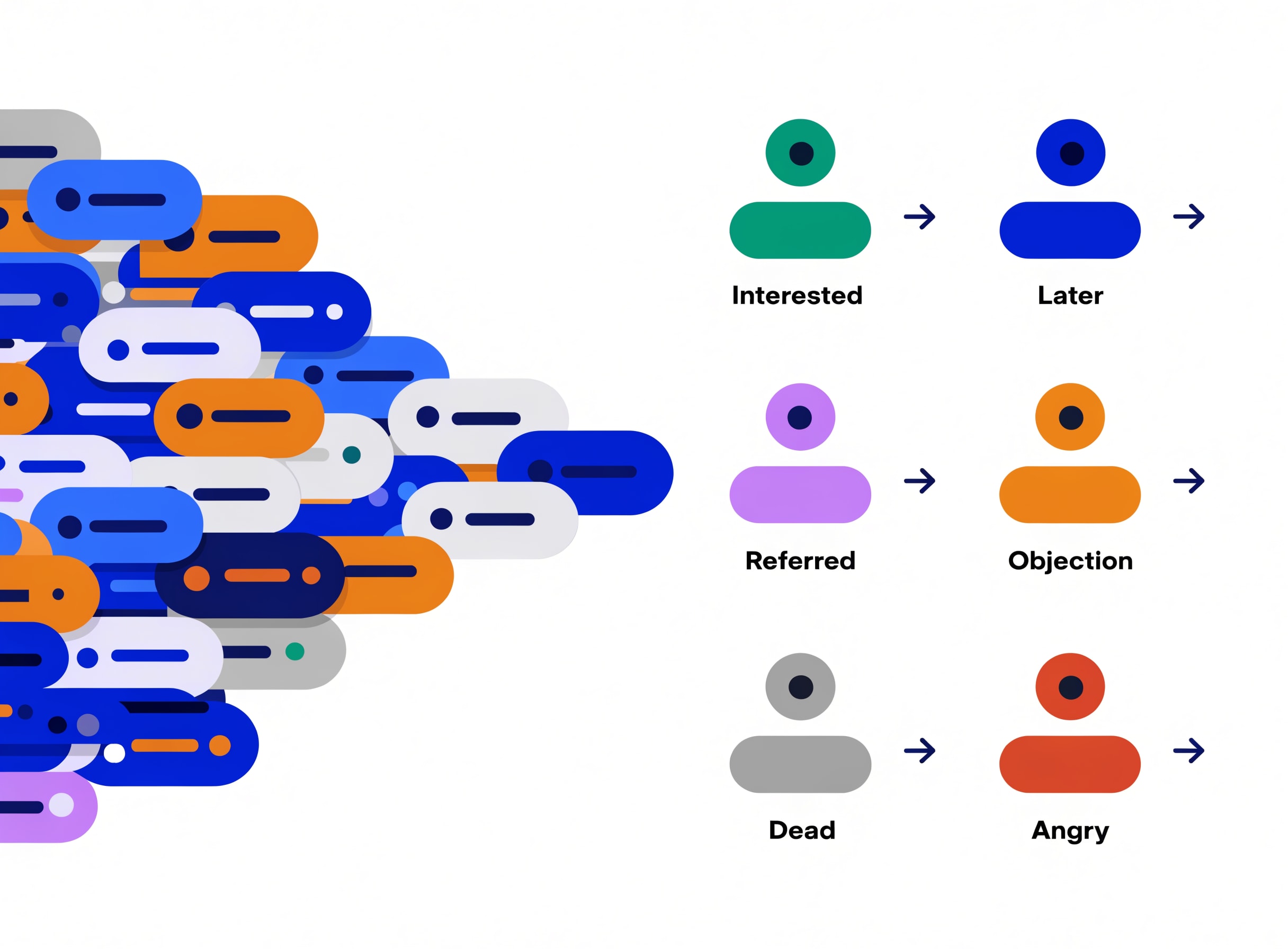
Sorts a batch of inbound sales replies into Interested, Later, Referred, Objection, Dead or Angry, with the evidence and next action for each. Deliberately does not collapse categories - Later and Objection get different follow-ups, and Angry and Dead get no follow-up at all. This is the skill that turns a scary inbox into a queue with an action per reply.
When to use: After any sequence run, or whenever the inbox has enough replies that reading them all takes an hour.
How to run:
You: "Run the-reply-classifier on this batch."
      [paste: reply threads]

Claude: -> per reply: category (Interested / Later / Referred / Objection / Dead / Angry)
        -> evidence for the category
        -> next action
-> the ones flagged for human attention specificallyBest used with: Real reply threads with context.
Where this skill hits its ceiling: It classifies; it does not respond.
With Intempt: Reply categories feed the pipeline so the follow-up cadence branches automatically.
8. the-call-booker - the meeting that gets booked, not chased
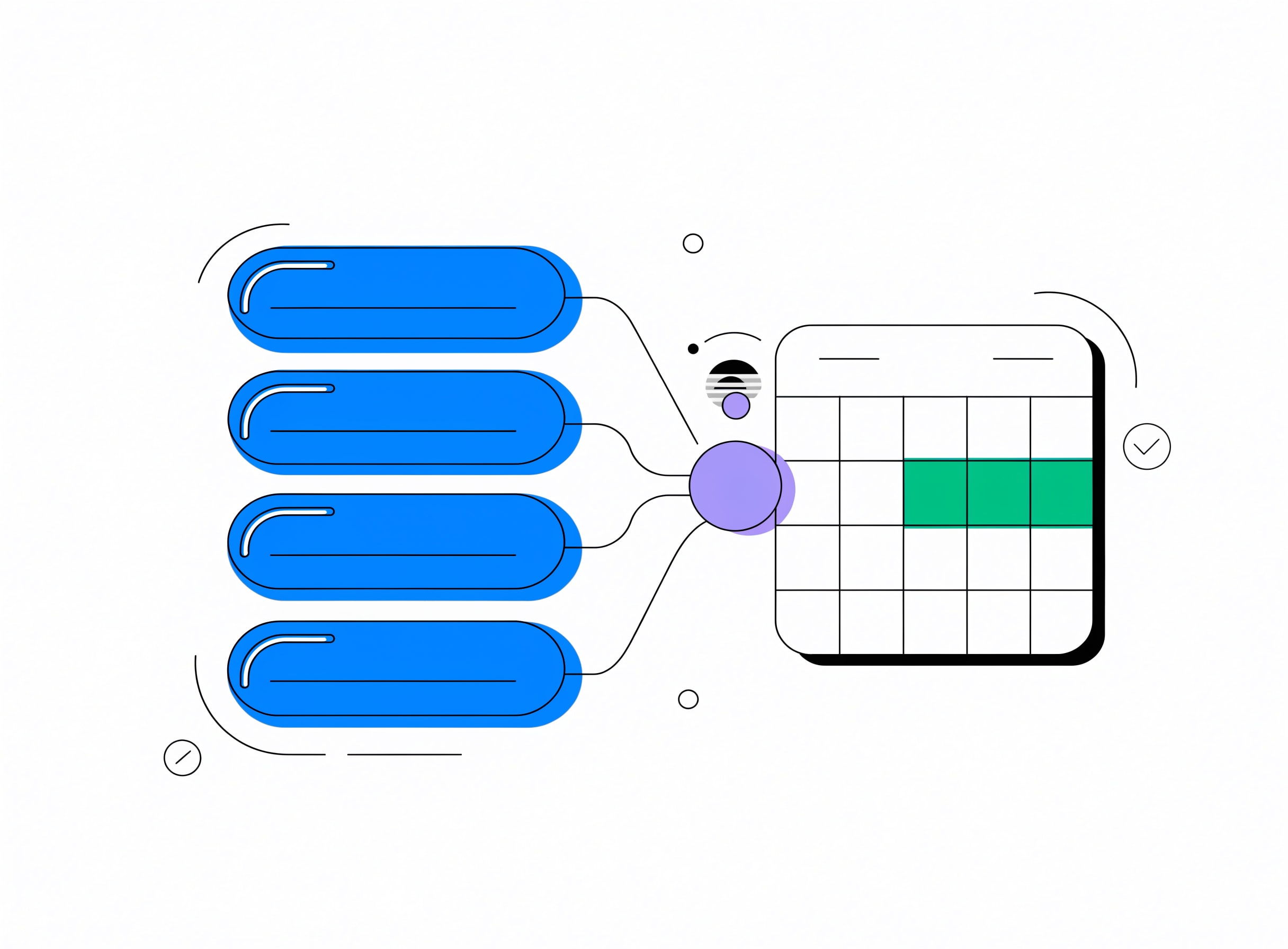
Turns a warm conversation into a booked meeting in as few messages as possible - the booking message, the reschedule, the confirmation, and the day-before reminder. Skill exists because the number of good conversations that die in the "let me check my calendar" tar pit is embarrassing.
When to use: When a prospect is ready to talk and you want to lock a time without back-and-forth. Also for rebooking a no-show.
How to run:
You: "Run the-call-booker for [prospect]."
      [context: prospect + calendar link + timezone + conversation state]

Claude: -> the booking message (short, options embedded)
        -> the reschedule if they cannot make it
        -> the confirmation
        -> the day-before reminder
-> the reactivation if they ghostBest used with: A real calendar link and a real conversation state.
Where this skill hits its ceiling: Booking flow only.
With Intempt: Booked meetings sync to the pipeline so the deal record inherits the booked date.
Which skill to run first, per lead gen problem
| The problem | Run this first | Why |
|---|---|---|
| Reply rate is low | the-list-cleaner | Almost always a list problem in copy costume |
| No list at all | the-list-builder | Source + score in one pass |
| ABM list needs prioritization | the-fit-scorer | Tier existing accounts, not source new ones |
| Monday queue is a wall of accounts | the-monday-list | Ranked by decay, action-first |
| First email needs to name a signal | the-cold-opener | Under 120 words, subject line variants included |
| Sequence feels tired | the-sequence-doctor | Audit before you retire it |
| Reply pile is scary | the-reply-classifier | Sorted queue with an action per reply |
| Good conversation, no booked call | the-call-booker | Lock time in as few messages as possible |
The pattern here: a diagnostic skill goes first in every row. Fix the input before you scale the output. A cold opener written against a bad list is a copy problem you cannot solve with copy.
Where Claude Code skills fit alongside Intempt
Skills produce scored lists, drafted messages and classified replies. Intempt runs the identity graph, the send infrastructure and the shared customer profile every skill reads from. The handoff is: a skill drafts the list or the opener, you review it, it runs inside Intempt Sell against a live profile.
For a deeper read on how outbound has changed in 2026, see AI lead generation broke on the outbound half and AI cold outreach: website data vs. scraped intent.
What to install this week
- Install the SDR pack. All eight skills live there. Partial cross-pack installs produce worse results.
- Run the-list-cleaner and the-fit-scorer before you rewrite any copy. The copy is almost never the problem when the list has drifted.
- Do not skip the subject line variants inside the-cold-opener. The subject line is doing the same job as a landing page hero, and testing it in the same run is cheap.
- Save the outputs as files, not chat. A stored list is a diffable list; a chat is a list you cannot re-run.
For the full SDR pack write-up including reply handling and no-show recovery, see best Claude Code skills for SDRs. Start for free on Intempt if you would rather run outbound against a live shared profile than a CSV pipeline.
Frequently asked questions.Answered.
- Claude skills for lead generation are versioned SKILL.md files that Claude Code reads from a local folder to run one specific outbound job with a stated method. The pack covers list building from public sources, list hygiene, ICP fit scoring, cold email writing (subject line included), sequence auditing, signal-based prioritization, reply classification and meeting booking. Install with npx skills add sidchaudhary/gtm-skills/skills/sdr.