


- The Claude skills worth running on HubSpot or Salesforce are the ones that read your CRM export and act on it. Not the ones that let a chat bubble type into a record.
- This pack picks 8 free Claude Code skills for RevOps, AEs, and marketing ops: routing with real tie-breaks, deal scoring (renewal risk included), pipeline scanning, forecast hygiene, sequence audits, transcript mining, MEDDIC completeness, enablement drafting.
- Run them against a real export. Reject anything that returns a vague suggestion instead of a defensible read.
HubSpot and Salesforce are systems of record. That is exactly what they are good at, and it is exactly why they are not good at the reasoning layer that sits on top of a CRM - which lead should route where, which deal is quietly slipping, which sequence is dead, which renewal is silently at risk. The dashboards report state; they do not judge it.
The gap gets filled two ways today. One is another platform - a scoring tool, a conversation intelligence tool, a routing tool - which is a real cost and a real integration. The other is a person, usually a RevOps lead, doing the reasoning by hand on Sunday against exports. Both work, both are slow, and both drift from the numbers by the time next week's review lands.
Claude Code skills fill that reasoning layer differently. A skill is a versioned SKILL.md file with a stated method - the CRM fields it reads, the framework it applies, the shape of the read it returns. Same skill, same shape, every run. Pipe an export into the-pipeline-scanner and the flag list you get on Tuesday is the same shape as the one you got last Tuesday, which means "slipped since last week" is a real category and not an argument.
What is a Claude Code skill
A Claude Code skill is a versioned SKILL.md file that Claude Code reads from a local .claude/skills/ folder. Inside: the inputs the skill asks for, the framework it applies to those inputs, the output shape it returns, and a version stamp. For CRM users, the inputs are usually a report export or a copy-paste from a saved view. The output is a structured read - not a chat response - which is what makes it possible for two RevOps analysts to compare.
For the primitive-layer explainer, see the hub: Claude Code skills: what they are and which ones earn their install. For the AE-side companion, see best Claude skills for sales, and for the SDR side, best Claude Code skills for SDRs.
Why CRM users need Claude skills now
Two things have changed at the CRM layer. First, the boundary between sales, marketing and RevOps has blurred - the person auditing pipeline is often the same person who owns sequences, which is the same person who owns lead routing. That is more surfaces than one person can carry using dashboards alone. Second, deal cycles have lengthened for most B2B categories, which means a deal that stalls in July can still be a lifeline in September - but only if somebody catches it in July.
The skills below answer three questions CRM users keep re-asking:
- Is this lead actually qualified, or does the score reflect one loud data point?
- Which of the 40 open deals are worth an action this week - not because they moved, but because they did not?
- Which sequence is dead and needs a rewrite, and which is fine and needs to be left alone?
Install the packs in about 30 seconds
The 8 skills below live across three packs. Install them with one command each, then restart Claude Code.
npx skills add sidchaudhary/gtm-skills/skills/gtm-engineer
npx skills add sidchaudhary/gtm-skills/skills/account-executive
npx skills add sidchaudhary/gtm-skills/skills/sdr

# Restart Claude Code, then confirm:
# "What CRM skills do you have available?"8 best Claude skills for HubSpot and Salesforce users
1. the-routing-engine - lead handoff, not lead loss

Designs the lead-to-opportunity layer between marketing and sales: the MQL scoring model, routing rules, speed-to-lead SLAs, and lifecycle stage definitions. This is the skill that stops the recurring conversation about "marketing sent us garbage" versus "sales is not working the leads" by making both sides look at the same rule set with named tie-breaks and a stated fallback.
When to use: Leads are getting misrouted, handoff is undefined, or marketing and sales disagree on what counts as qualified. Also whenever a territory model changes.
How to run:
You: "Run the-routing-engine on our lead flow."
      [context: current MQL definition + rep territories + SLA targets]

Claude: -> MQL scoring model with weights
        -> routing rules per lead type
        -> tie-break logic (spelled out)
        -> fallback rule for unmatched leads
        -> speed-to-lead SLAs per tier
-> the rules we deliberately did not buildBest used with: Real lead flow numbers, real rep territories. Design against fake volume and the routing collapses the first busy week.
Where this skill hits its ceiling: It designs the routing; you or an ops engineer wire it into HubSpot workflows or Salesforce Flow.
With Intempt: Routing rules run inside the Sell workflows so the SLA is measured on the same profile every campaign reads.
2. the-lead-router - the assignment logic, not the whole flow
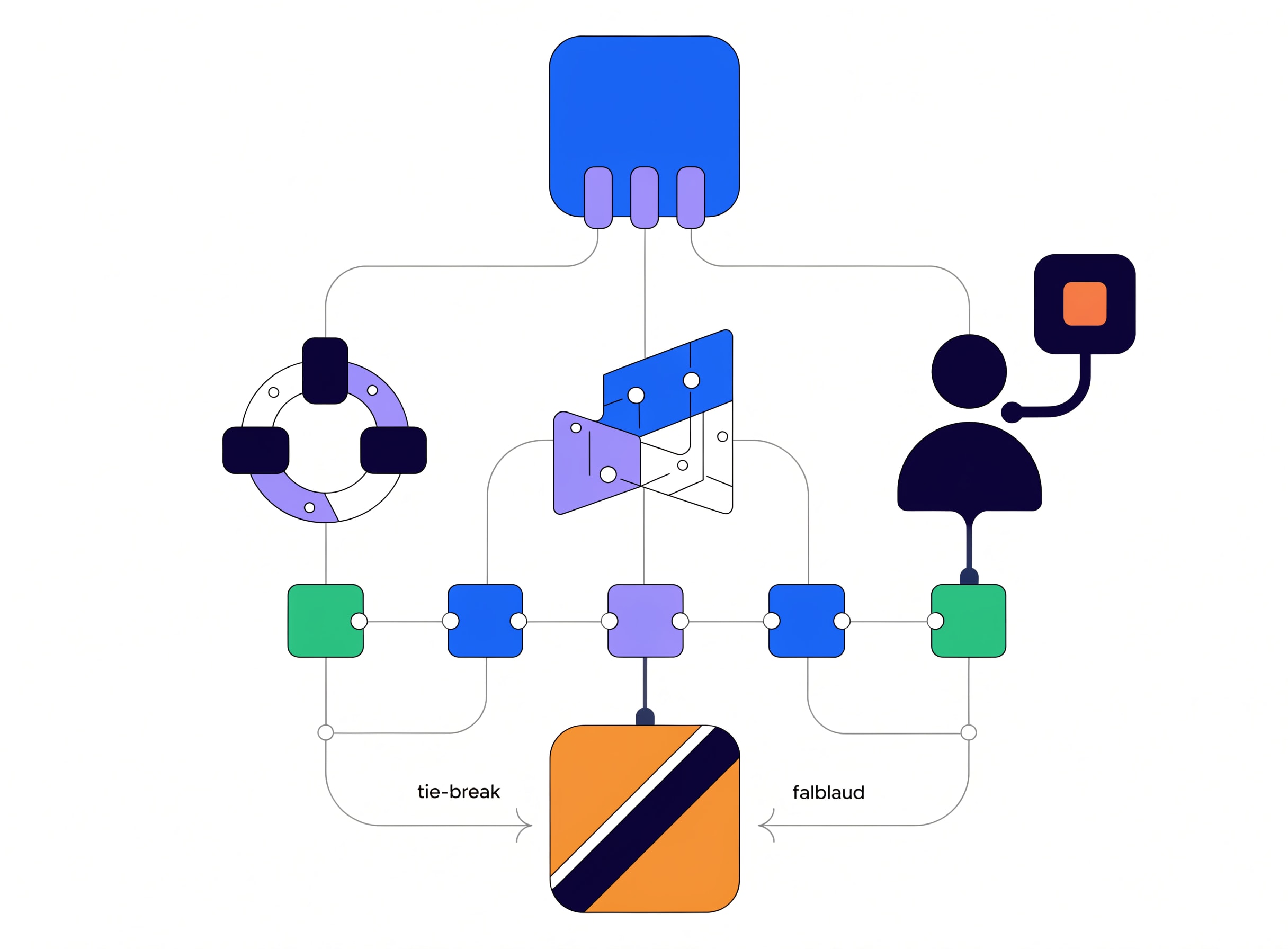
One step downstream from the-routing-engine. Once the MQL scoring is defined, this skill designs the actual assignment logic for an already-qualified lead - round-robin, territory, account-owner, or score-threshold - with explicit tie-break and fallback rules. Different job from designing the whole model; use this when the qualification is fine but the assignment is silently failing.
When to use: When leads are qualified but nobody has decided in writing exactly who they go to next. Also whenever a rep leaves and the accounts need to reassign cleanly.
How to run:
You: "Run the-lead-router for our current qualified flow."
      [context: rep list + territories + fair-share rules]

Claude: -> assignment method (round-robin / territory / owner / score)
        -> tie-break logic
        -> fallback rule when the primary rule fails
        -> reassignment rules on rep exit
-> the audit trail this should writeBest used with: Real rep territories, not aspirational ones.
Where this skill hits its ceiling: Assignment logic. It does not score the lead - that is the-routing-engine or the-fit-scorer upstream.
With Intempt: Assignment rules feed into the pipeline so ownership is a live field, not a monthly rebalance.
3. the-pipeline-scanner - only the deals that need action this week
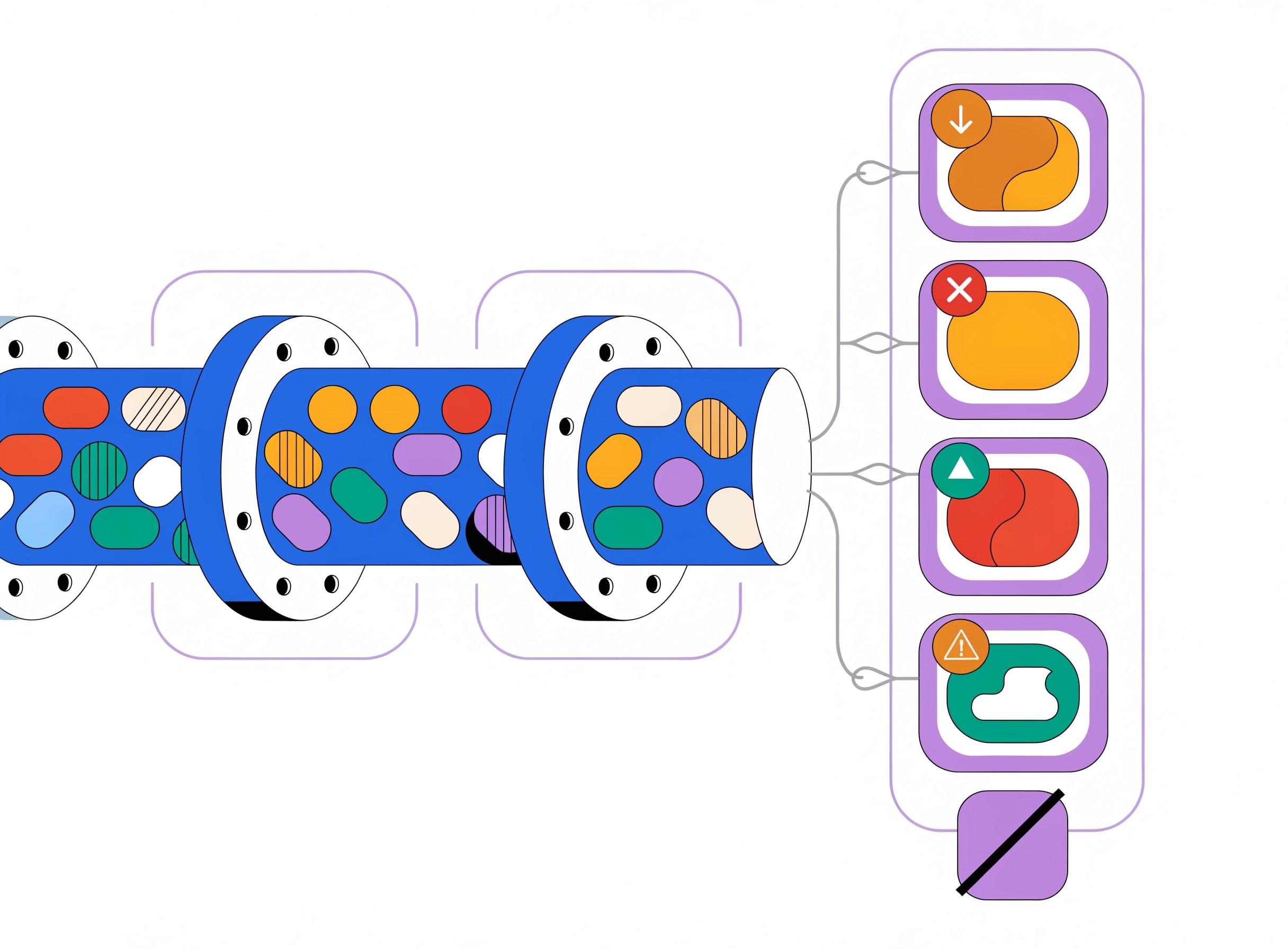
Reads a whole pipeline export and returns only what needs attention: deal velocity against your own stage norms, deals stuck past their stage median, risk signals, and where the forecast is most likely to slip. Lists only the deals that warrant action rather than padding to a fixed count. This is the skill that makes the Monday pipeline review a 20-minute meeting instead of an hour.
When to use: Weekly pipeline review, before a forecast call, or whenever the team is arguing about whether the quarter is safe. Not for every deal - for the ones the export flags against your own history.
How to run:
You: "Run the-pipeline-scanner on this quarter's open deals."
      [paste: pipeline export + stage median durations]

Claude: -> deals stuck past stage median
        -> velocity slippage since last week
        -> risk signals (single-threaded, no next step, engagement dark)
        -> forecast likely to slip, ranked
-> only the deals worth acting on this weekBest used with: A real export with dates and stage durations. "How is the pipeline" is not an input; a CSV of open deals is.
Where this skill hits its ceiling: It flags; it does not run the save. That is the AE's judgment call after the flag.
With Intempt: Flags become tracked deal alerts inside the pipeline so the AE sees the same read the forecast call is built on.
4. the-deal-gauge - one deal, two axes, no vibes
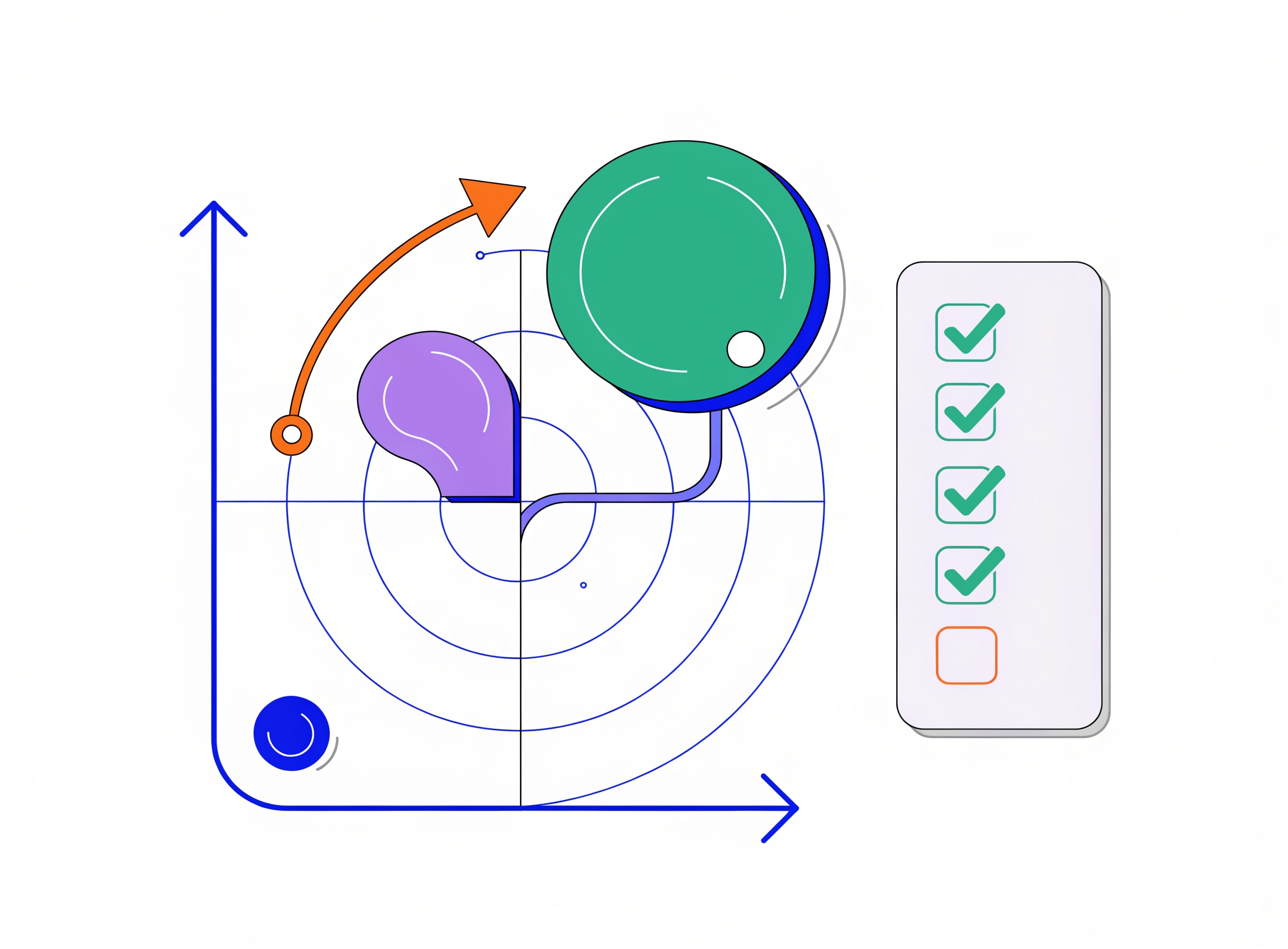
Scores one deal in depth on two independent axes - health and buyer intent - plus renewal risk for existing accounts, tracks direction of travel since the last review, checks MEDDIC or BANT completeness, and returns three to five specific next steps. This is the skill that stops "how's the deal going" from being a vibe check. Health and intent are separated deliberately because a deal can be objectively unhealthy (single-threaded, no next step) while the buyer's intent is high - and those need opposite interventions. Same skill scores a new deal, an open opportunity, or a renewal 90 to 180 days out.
When to use: Before a forecast call, when a deal needs an honest read, before a renewal conversation (90, 60 or 30 days out), or after a stage change to check the assumption behind it.
How to run:
You: "Run the-deal-gauge on [account name]."
      [context: deal record + last 3 activities + MEDDIC/BANT state]

Claude: -> health score (structural: threads, cadence, next step)
        -> buyer intent score (behavioural: engagement, replies, timing)
        -> direction of travel since last review
        -> MEDDIC / BANT completeness
-> 3-5 specific next actionsBest used with: Real activity data from the CRM, not the AE's memory of the last call.
Where this skill hits its ceiling: One deal at a time. For a whole pipeline read, run the-pipeline-scanner instead.
With Intempt: Deal reads become tracked artifacts against the account inside the pipeline so history is queryable, not scrolled through.
5. the-sequence-doctor - audit before rewrite
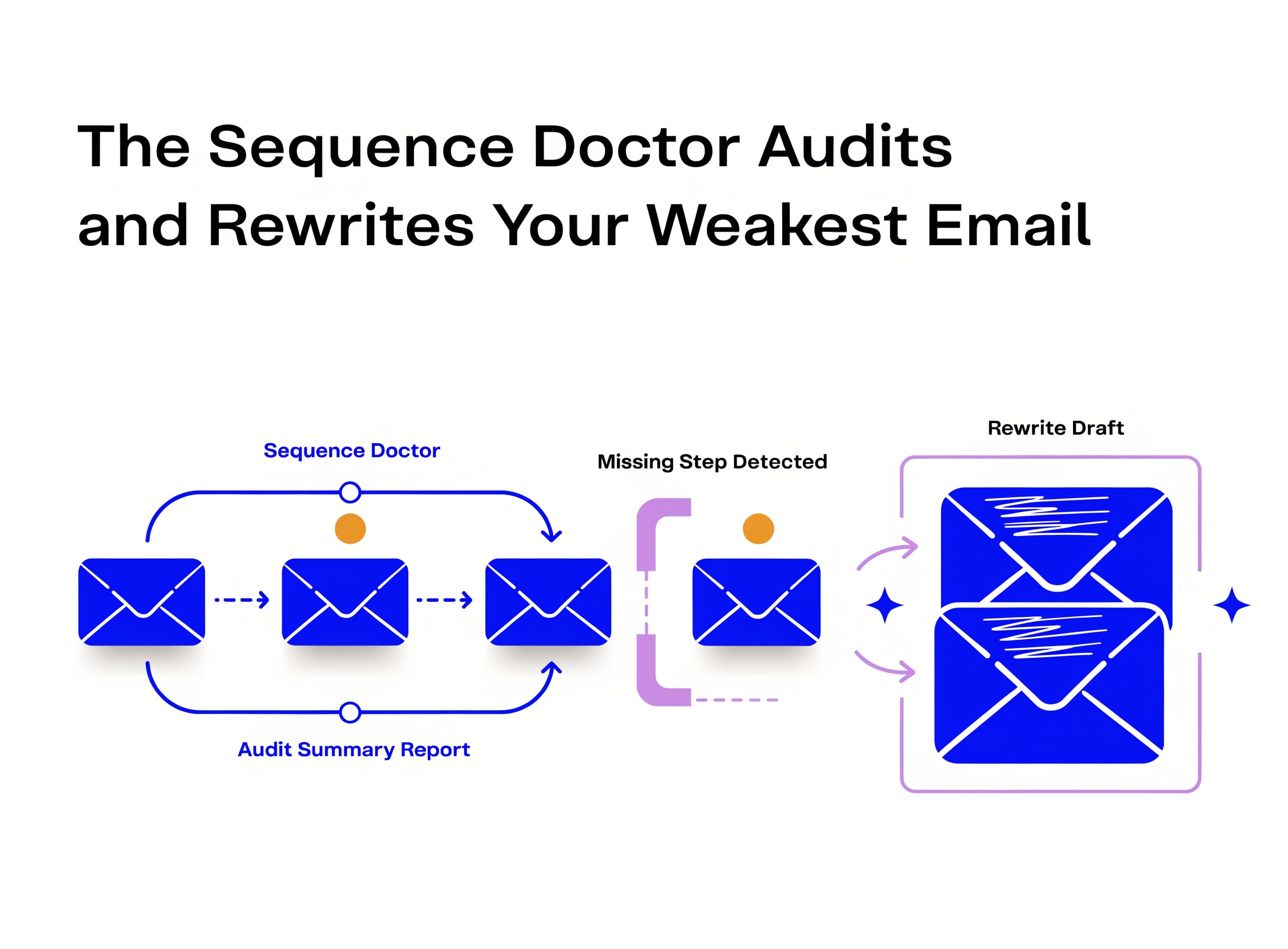
Builds a full multi-touch sequence from scratch, or audits an existing cold outbound email sequence: gap analysis per email, full rewrites of the three weakest, and a recommendation for any missing step in the sequence shape. The discipline of the audit-before-rewrite pattern is why the audit side matters. Teams retire sequences based on the last week's reply rate, which is noisy; the audit tells you whether the sequence's shape is broken or whether the reply rate dip is temporary.
When to use: Reply rates are dipping and the cause is unclear, before launching a new sequence, or during a quarterly outbound review.
How to run:
You: "Run the-sequence-doctor on our AE outbound sequence."
      [paste: current sequence + last 30 days of reply/open data]

Claude: -> gap analysis per email in the sequence
        -> the 3 weakest emails, fully rewritten
        -> missing step in the sequence shape (if any)
        -> the retention target vs benchmark
-> what NOT to changeBest used with: Real reply and open rate data, not aggregate numbers.
Where this skill hits its ceiling: It audits; it does not send. Sending is HubSpot Sequences, Salesforce Cadence, or your outreach tool of choice.
With Intempt: Rewritten emails plug into the Sell workflows so the AE sees the audit's version, not the version that was there before the audit.
6. the-transcript-miner - the CRM note the rep did not write

Reads a raw sales call transcript and extracts what the follow-up needs: deal signals, objections raised, pain points the prospect actually confirmed rather than the ones the rep suggested, a stakeholder map and one specific recommended next action. This is what closes the loop between the call and the CRM record - the note the AE means to write but does not have time to.
When to use: After every discovery call, before writing the follow-up email or updating the CRM record. Also for batch review across a month of calls to find objection patterns.
How to run:
You: "Run the-transcript-miner on this call."
      [paste: raw call transcript]

Claude: -> deal signals (positive and negative)
        -> objections actually raised
        -> pain points prospect confirmed (not rep-suggested)
        -> stakeholder map
        -> 1 specific recommended next action
-> the CRM field updates this impliesBest used with: Real transcripts, not summaries.
Where this skill hits its ceiling: It extracts; it does not autofill the CRM. You paste the update.
With Intempt: Call signals feed the account record via the Sell workflows so the next rep on the account inherits the read, not the rehearing.
7. the-fit-scorer - score a list already in the CRM

Different from the-list-builder (which sources). This scores an account list that already exists in HubSpot or Salesforce against ICP criteria and returns a priority tier of High, Medium or Low with a one-sentence outreach rationale per account, plus what was inferred versus observed. Meant for prioritising an existing list before an outbound campaign or before a marketing sync.
When to use: Prioritising a list of open accounts, cleaning up an ABM list, or before a marketing team runs a nurture against an existing segment.
How to run:
You: "Run the-fit-scorer on this account list."
      [paste: account list + ICP criteria]

Claude: -> priority tier per account (High / Medium / Low)
        -> one-sentence outreach rationale per account
        -> what was inferred vs observed
        -> confidence per score
-> the accounts we should DROP from this listBest used with: Real ICP criteria and a real list. Vibes ICPs produce vibes scores.
Where this skill hits its ceiling: Scores an existing list. Sourcing a new list is the-list-builder.
With Intempt: Scored tiers become tracked account fields so the marketing agent runs against the same priority the AE sees.
8. the-enablement-kit - the collateral the rep asks for on a Monday
Produces sales collateral - one-pagers, ROI calculators, proposal templates and playbooks - mapped to buyer persona and deal stage. The value is the mapping. Enablement libraries tend to be flat lists that force the rep to hunt for the right piece; this skill produces the piece for a specific persona and a specific stage.
When to use: When a rep needs a specific asset to hand a prospect. Also for filling gaps in an enablement library you already have.
How to run:
You: "Run the-enablement-kit for a CFO one-pager, late stage."
      [context: persona + stage + typical objections]

Claude: -> one-pager tailored to persona and stage
        -> key ROI framing (with a calculation the CFO can rerun)
        -> proposal template block if applicable
        -> objection handling for what this persona actually asks
-> the follow-up asset this impliesBest used with: A specific persona and stage. "A one-pager" is not enough context; "a CFO one-pager for late-stage enterprise" is.
Where this skill hits its ceiling: It drafts; the design team makes it a finished PDF.
With Intempt: Enablement drafts attach to the account so the rep sees the current pitch alongside the last three activities.
Which skill to run first, per CRM role
| Your role | Install this pack first | First skill to run |
|---|---|---|
| RevOps / Sales Ops | gtm-engineer | the-routing-engine |
| Account Executive | account-executive | the-deal-gauge |
| Sales Manager | account-executive | the-pipeline-scanner |
| SDR Manager | sdr | the-sequence-doctor |
| Customer Success | account-executive | the-deal-gauge |
| Marketing Ops | gtm-engineer | the-lead-router |
The pattern here: a diagnostic skill goes first in every row. Fix the diagnosis and the fix downstream picks itself.
Where Claude Code skills fit alongside Intempt
Skills produce reads and drafts. HubSpot and Salesforce record state. Intempt runs the orchestration layer that acts on the state - campaigns, journeys, cadences, and the profile that both sides read. The handoff is: a skill produces the routing model or the deal read, you review it, it runs inside Intempt Sell or Marketing against the shared profile.
This matters when the CRM and the marketing tool disagree about a customer. Reconciling that disagreement on Monday is a common way to lose a week; a shared identity graph removes the job. For the framing of a CRM as a system of record versus a GTM platform as an orchestration layer, see GTM Platform vs CRM.
What to install this week
- Install the pack that matches your Monday job. RevOps starts with gtm-engineer, AEs with account-executive, SDR managers with sdr.
- Run the diagnostic before the design. the-pipeline-scanner before you rebuild the forecast process. the-sequence-doctor before you retire the sequence. the-routing-engine before you write another Flow.
- Do not let the skills write into the CRM directly. The pattern is: read, review, apply. Skills that autowrite records are skills that overwrite AE judgment silently.
- Save the outputs in the repo, not in chat. A stored read is a diffable read. A chat is a read you cannot re-run.
For a broader look at the CRM pricing question these skills sit around, see CRM pricing: the seat price is one of four meters. Start for free on Intempt if you would rather run the same jobs against a live shared profile than paste exports.