


- The best Claude skills for sales do not write a follow-up email and call it selling. They score the deal against real evidence, pull the objection you will actually get from transcripts you already have, and prep the specific conversation in front of you.
- These 7 free Claude Code skills cover the AE job after someone agrees to talk: honest deal reads that also score renewal risk, objection prep, and negotiation coaching.
- Install the pack. Score the renewal now, not in the renewal month.
Pipeline reviews run on optimism. A deal is "looking good" until the week it isn't, and the reason it slipped was almost always visible on a call three weeks earlier and never written down. The AE didn't miss it - they heard it, filed it as a probably-fine, and moved on to the next dial.
The best Claude skills for sales make that read explicit. They score the deal against stated criteria with an estimated-versus-confirmed split, pull the real objections out of transcripts instead of your memory of them, and prepare the specific conversation you're about to have rather than a generic playbook. Seven skills, MIT-licensed, ordered so you know which one earns its install first. Everything before the first meeting, from the prospect list to the reply queue, belongs to the SDR skills pack for lead generation instead.
For context on why the honest-read job matters, Gong Labs' research on win rates has shown that reps who confirm next steps in writing at the end of a call close at materially higher rates than reps who don't - the confirmation itself is the tell, not the tactic. And Salesforce's State of Sales report puts reps at only 28 percent of their week actually selling; the rest is admin, research, and prep. That's the gap this pack closes. For the broader AE workflow this pack is built into, see gtm skills for account executives, and if you're comparing tools alongside these skills, see best sales engagement tools. For the primitive-layer explainer covering every pack, see the hub: Claude Code skills: what they are and which ones earn their install.
What is a Claude skill
A Claude skill is a versioned SKILL.md file with a stated method: the inputs it asks for, the framework it applies, and the shape of the output it returns. You install a pack once with npx skills add sidchaudhary/gtm-skills/skills/account-executive, restart Claude Code, and every skill in the folder is available by name. Two AEs running the same skill get the same output shape - a ten-dimension deal score with confirmed-versus-estimated flags, a five-objection playbook, a MEDDIC completeness table - so the work stops drifting between reps and between weeks.
Why AEs need Claude skills now
Two things are true at once for most AE teams. First, the forecast is mostly stories - "they're the champion, they're leaning in, it'll close this quarter" - and the ones that slip are the ones nobody scrutinized. Second, the pre-call research and post-call coaching that would catch it takes 30 to 45 minutes per deal, which reps don't have across a full pipeline. So the read doesn't happen, and the same deal slips a second quarter for a reason that was in a transcript from six weeks ago.
Claude skills fix this at the task level. The rep doesn't do more work; the mechanical parts of the work run through a skill with a fixed output shape. Winning by Design's research on rep productivity puts pre-call prep and post-call notes together at over a third of a rep's total selling time - that's the block a skill actually shortens.
The skills that move the needle for AEs answer three questions faster:
- Is this deal actually where I think it is, or am I forecasting on stories?
- What objection will I get on this call, and what am I saying back to it?
- Which renewal has runway to save, and which one is already a status report?
Install the pack in about 30 seconds
One command pulls all 7 Account Executive skills into your project's .claude/skills/ folder. Restart Claude Code afterward - skills load at startup, so a running session won't see them.
npx skills add sidchaudhary/gtm-skills/skills/account-executive

# restart Claude Code, then confirm:
# "What sales skills do you have?"You can install a single skill instead by appending its folder name, e.g. .../skills/account-executive/the-deal-gauge. The pack install is the better default because these skills reference each other's inputs - the-win-loss-analyzer feeds better objections into the-objection-playbook, and the-transcript-miner (in the GTM Engineer pack) feeds cleaner inputs into the-deal-gauge.
7 best Claude skills for sales
1. the-deal-gauge
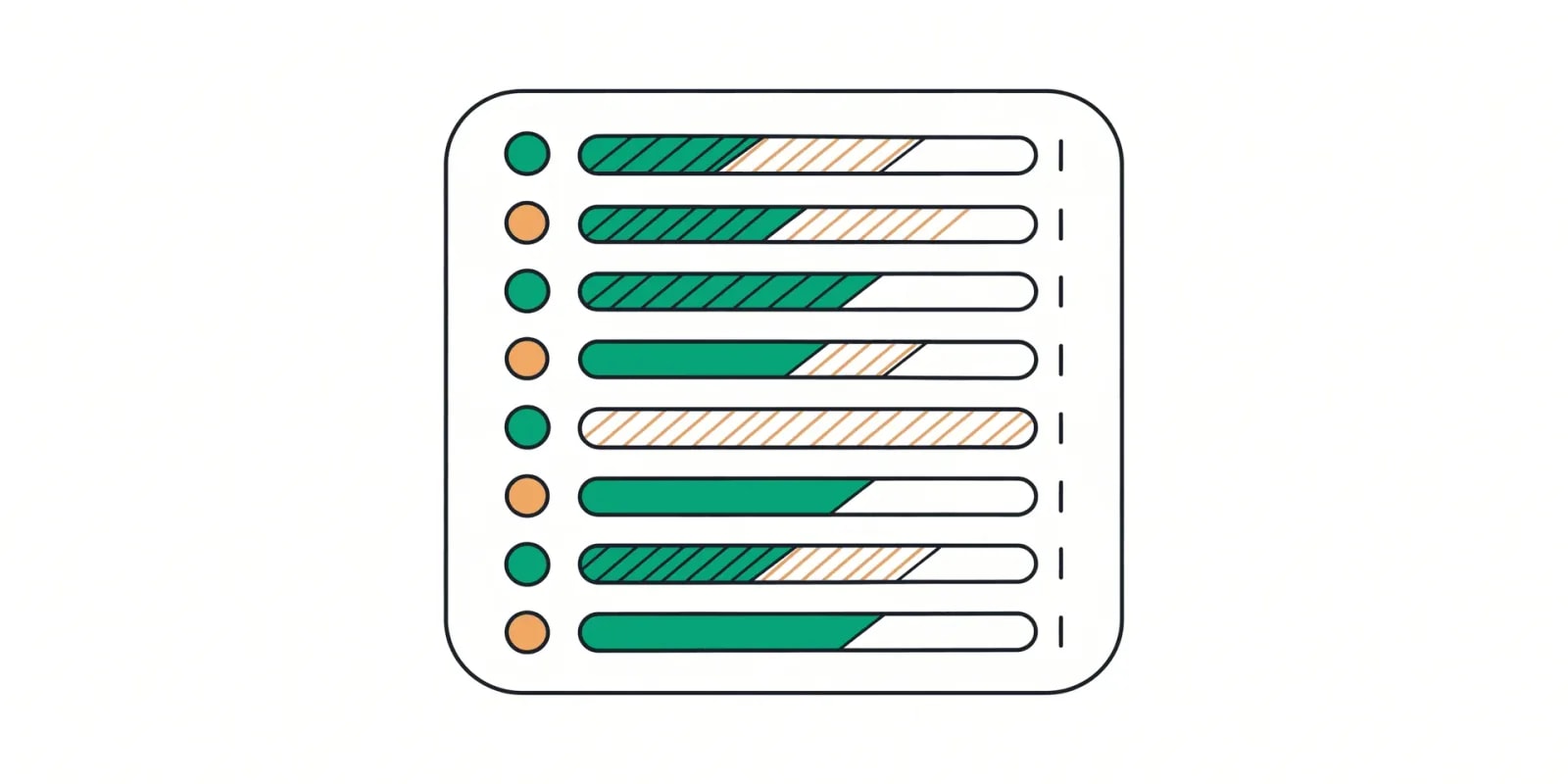
Returns a health score, an intent score and a renewal-risk score across ten weighted dimensions, plus a 7/14/30-day trend and a quadrant placement. The part that matters most: it flags which dimensions are confirmed versus estimated, so a 78 built on confirmed dimensions and a 78 built mostly on estimates are visibly different deals. It also outputs a MEDDIC (0-6) and BANT (0-4) completeness table and three to five prioritized next steps. Same skill scores a new deal, an existing opportunity, or a renewal 90 to 180 days out - the axes stay the same, only the inputs shift.
When to use: On the deal you'd describe as "probably fine." Not the obvious win, not the obvious loss - the one you haven't scrutinized because it isn't screaming at you.
How to run:
You: "Run the-deal-gauge on this deal."
      [paste: notes, last call transcript, stage, close date]

Claude: -> health score + intent score across 10 dimensions
        -> 7/14/30-day trend, quadrant placement
        -> which dimensions are confirmed vs estimated
        -> MEDDIC (0-6) and BANT (0-4) completeness tables
-> 3-5 prioritized next stepsBest used with: A real transcript or detailed notes. Stage-and-amount alone produces a score that reads like the CRM, which is the version you already didn't trust.
Where this skill hits its ceiling: One deal at a time. If you want the same read across the whole book, that's the-pipeline-scanner.
With Intempt: Deal scores run continuously off live product usage and CRM signal instead of being re-derived per pipeline review.
2. the-pipeline-scanner
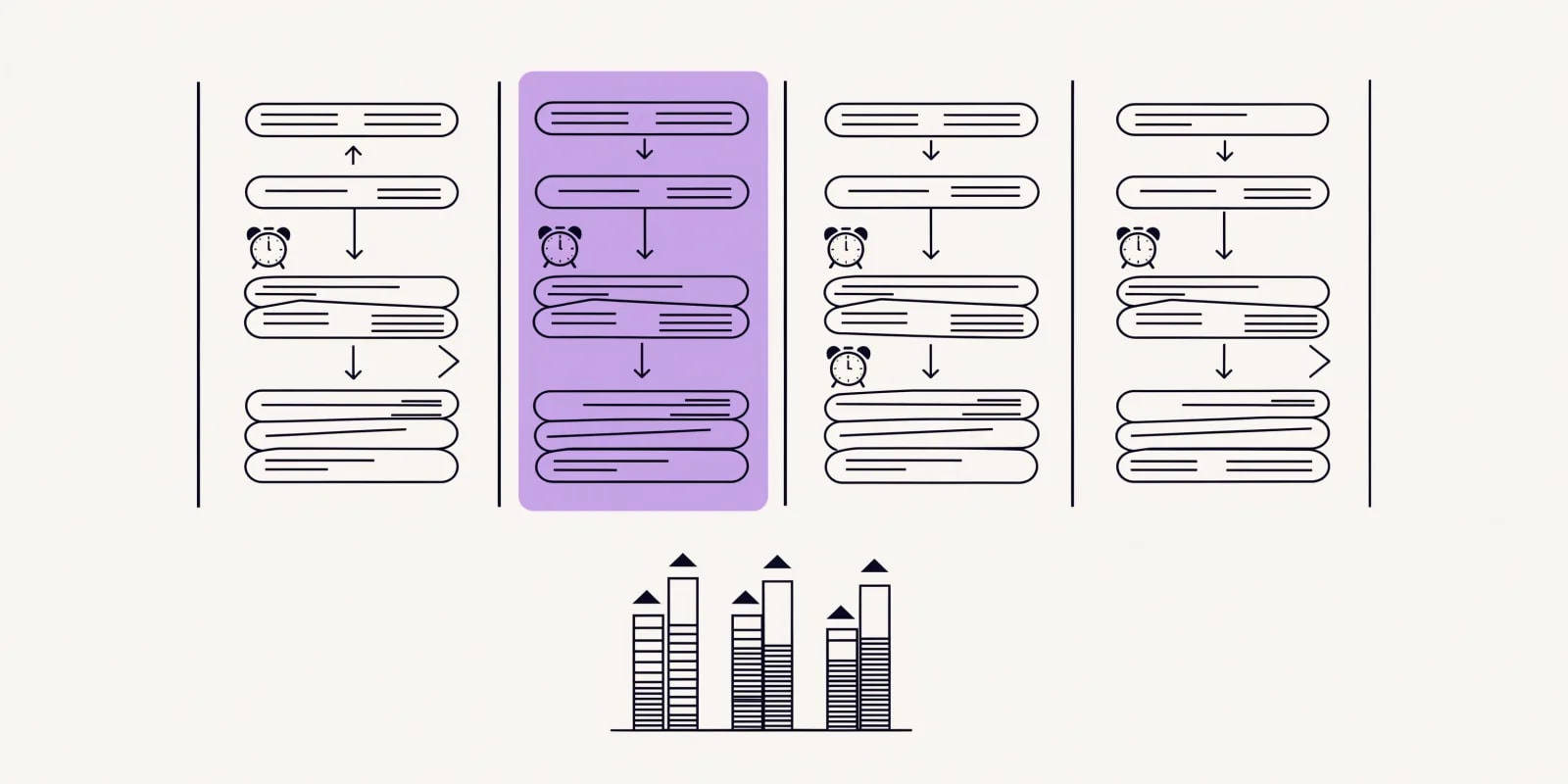
Reads the whole pipeline and surfaces the deals whose stage doesn't match their evidence - stuck deals, risk signals, forecast by stage, coverage ratio. Its job is the one nobody wants to do before the QBR: name the deals that are lying to you.
When to use: The week before a forecast call, or any time your commit list has grown faster than the underlying activity would support.
How to run:
You: "Run the-pipeline-scanner on my current pipeline."
      [paste: stage, amount, close date, last activity date per deal]

Claude: -> stuck deals: stage vs days-since-activity
        -> risk signals per deal, ranked
        -> forecast by stage with coverage ratio
-> the 3-5 deals to actually work this weekBest used with: Real activity dates. A CRM where every deal was "touched" last week because someone did a bulk update produces a scan that reads clean and isn't.
Where this skill hits its ceiling: It flags the lying deals; it doesn't work them. The-deal-gauge is the follow-up on the specific ones it names.
With Intempt: Pipeline health is a live view built off product-usage and engagement signal, not a Friday-afternoon export.
3. the-call-coach
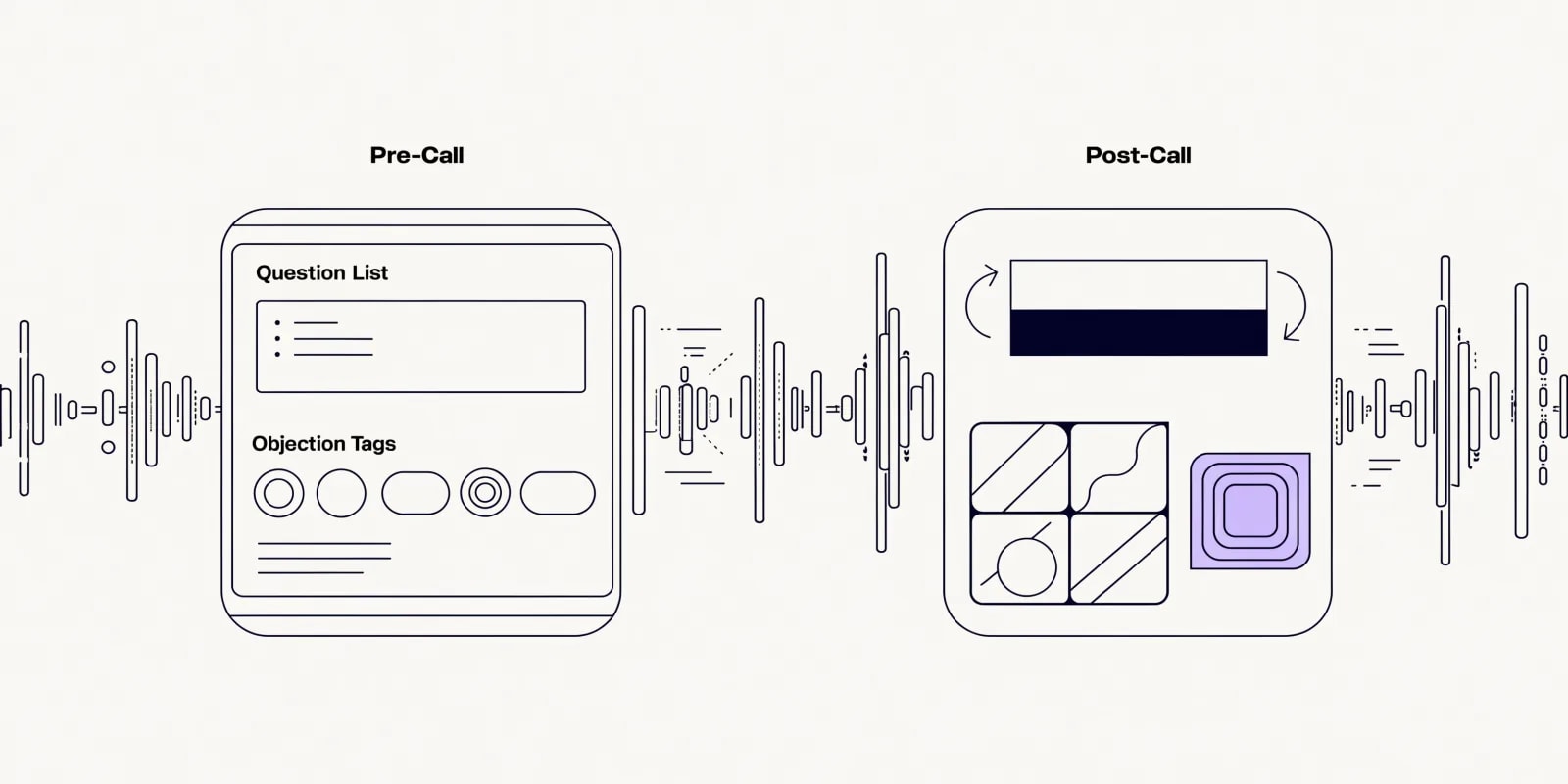
Does both sides of the call. Pre-meeting: the prep sheet with the questions you should ask given what you know. Post-meeting: a review that names what to change - talk ratio, BANT/MEDDIC scoring on the transcript, objections raised, and drills for the specific moment where the call went sideways. Specific, not "build more rapport."
When to use: Before every call you actually care about, and after every call that either surprised you or slipped. Not after every call - that's overhead.
How to run:
before: "Run the-call-coach prep for this account."
         -> prep sheet with the questions you should ask
         -> the objections most likely to come up

after:  "Run the-call-coach review on this transcript."
         -> talk ratio (yours vs theirs, by minute)
         -> BANT/MEDDIC coverage scored 0-4 / 0-6
         -> objections raised, and how you handled each
-> 2-3 specific drills for next timeBest used with: A real transcript for the review side. Notes work; transcripts work better because they catch the objection phrased the way the buyer phrased it.
Where this skill hits its ceiling: One call at a time. Pattern-finding across dozens of calls belongs to the-win-loss-analyzer.
With Intempt: Coaching runs continuously off recorded calls, and the drills feed back into rep-specific enablement instead of living in a doc nobody re-opens.
4. the-account-blueprint
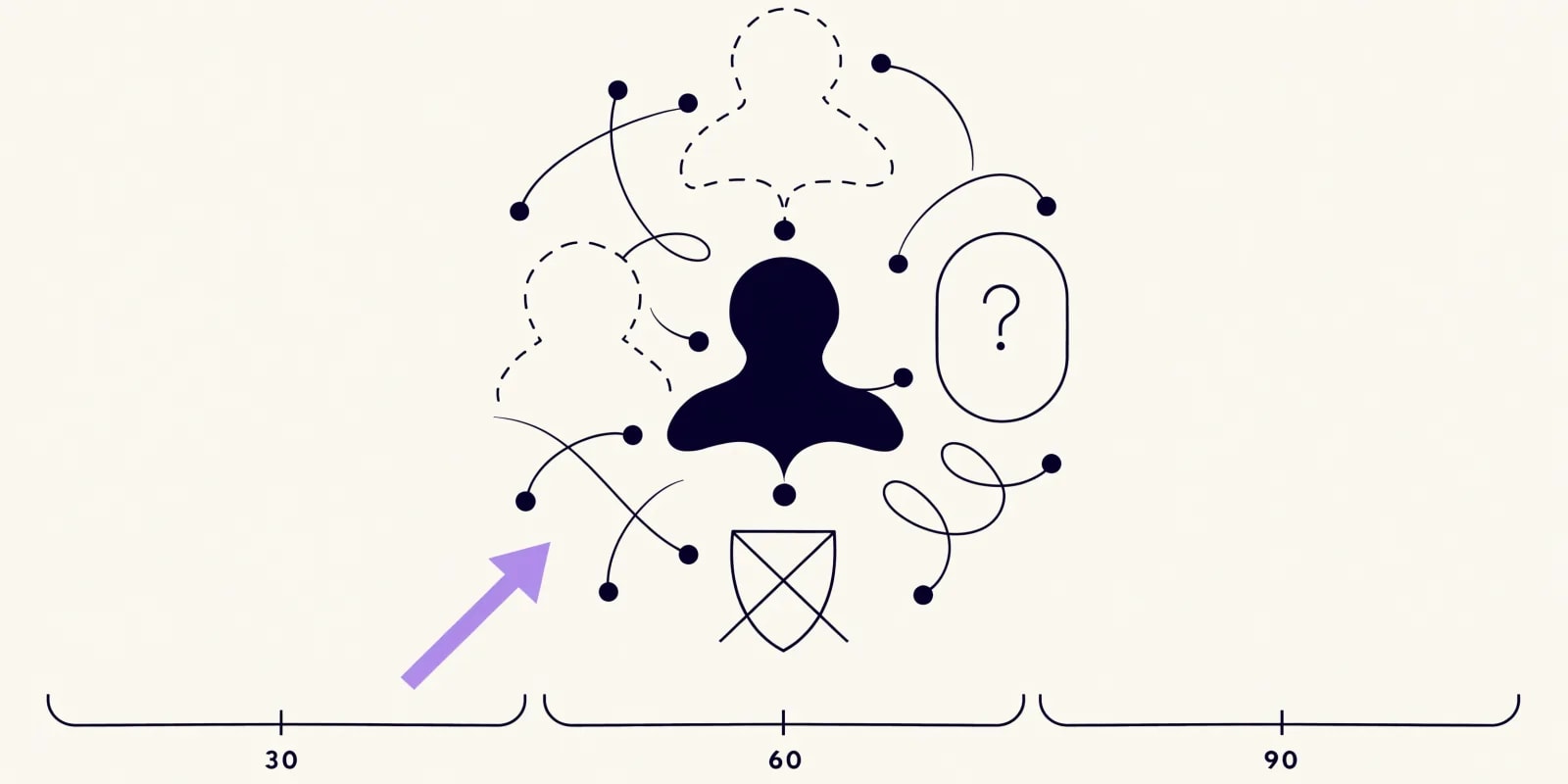
Maps the buying committee for a named account and produces a phased 90-day action plan to get from your champion to the rest of the room. Champion, economic buyer, technical evaluator, blocker - who's identified, who's estimated, who's still a gap - plus the specific moves to close each gap.
When to use: When a named account is stuck at a single champion and the deal has stalled because nobody else in the room has entered the conversation.
How to run:
You: "Run the-account-blueprint on this stuck deal."
      [paste: known contacts, last call notes, org info]

Claude: -> committee map (identified / estimated / missing)
        -> who owns what, and who blocks what
        -> phased 90-day plan: which stakeholder in which week
-> the specific ask that gets you to each new personBest used with: A deal where you already have a champion. Without a champion, the blueprint is a research doc, not a plan.
Where this skill hits its ceiling: It plans the moves; it doesn't run them. And a champion who won't multi-thread you can't be blueprinted around - that's a different conversation.
With Intempt: Committee mapping pulls product-usage signal per user, so who's actually engaged in the trial is visible next to who's on the org chart.
5. the-objection-playbook
Takes your product, ICP, and target persona and returns the five objections that persona raises most, each with an acknowledgment, a response, and a follow-up question. Paste the objections you actually hear on your calls and it tailors the playbook to those specifically instead of the generic five.
When to use: Before a call with a persona you're new to, or when the team keeps losing on the same objection and the response has been getting invented in real time.
How to run:
You: "Run the-objection-playbook.
      Product: [yours]. Persona: VP Engineering at Series B SaaS.
      Objections we actually hear: 'we're building this in-house',
      'the timing isn't right', 'we already use [competitor]'."

Claude: -> 5 most likely objections for this persona
        -> per objection: acknowledgment + response + follow-up Q
-> which objection is a stall vs a real blockerBest used with: Real objections you've heard, not the ones the manual lists. The generic version writes generic responses.
Where this skill hits its ceiling: It preps the answer, not the read. Whether you're getting a stall or a real objection is a judgment call on the day - the playbook makes both branches ready.
With Intempt: Objection patterns get mined from actual call transcripts instead of surveyed from reps, so the top-five list is the real top five.
6. the-win-loss-analyzer

Ranks the real reasons deals close or die across a batch of closed-won and closed-lost deals, from evidence in transcripts and notes rather than rep memory. The team's story about why they lose is almost always partly wrong; the version built from transcripts contradicts it at least once, and that contradiction is the finding.
When to use: Once a quarter across the last 20 to 40 closed deals, before the retro starts running on vibes.
How to run:
You: "Run the-win-loss-analyzer on these 30 closed deals."
      [paste or point at: transcripts, notes, stage history]

Claude: -> top reasons for won deals, ranked, with evidence
        -> top reasons for lost deals, ranked, with evidence
        -> which lost reason the team is under-counting
-> the 2-3 changes that would flip the biggest bucketBest used with: Real evidence per deal, even messy. Twenty deals with transcripts beat sixty deals with a one-line loss reason from the CRM.
Where this skill hits its ceiling: It names patterns; it doesn't fix them. The output is inputs into cold-outbound work (the SDR pack's the-cold-opener) and objection prep (the-objection-playbook), not a solved problem.
With Intempt: Win-loss patterns update continuously off closed deals instead of being a quarterly exercise, so the top-loss reason is current, not last quarter's.
7. the-negotiation-coach
Preps the specific negotiation in front of you: anchor, concession ladder, walk-away point, and the calibrated questions that get the buyer to name their real constraint. The trade you decide before the call. A trade you improvise under pressure is a discount with extra steps.
When to use: Before any pricing, terms, or scope negotiation where the plan going in is currently "see what they say."
How to run:
You: "Run the-negotiation-coach on this deal.
      List: $X. They asked for Y% off.
      What we care about: multi-year, expansion path, logo."

Claude: -> anchor to open with, and why it's defensible
        -> concession ladder: what you trade for what
        -> the walk-away point, stated explicitly
-> 3-5 calibrated questions to surface their real constraintBest used with: A stated list price and a stated ask from the buyer. "They want a discount" is not enough input - the size and shape of the ask determines the whole ladder.
Where this skill hits its ceiling: It preps one negotiation. It doesn't set your pricing strategy - if the whole book is discounting 30 percent, that's a pricing problem, not a negotiation one.
With Intempt: Negotiation plays get informed by account-level signal (usage growth, expansion accounts, similar-deal history) instead of rep instinct alone.
Comparison: which Claude sales skill to use when
| Skill | Best moment to use | Time saved | What you get |
|---|---|---|---|
| the-deal-gauge | On a deal you'd call 'probably fine' | 20-30 min per deal | 10-dimension score + confirmed vs estimated |
| the-pipeline-scanner | Week before a forecast call | 1-2 hrs per review | The deals that are lying to you, ranked |
| the-call-coach | Before and after calls you care about | 15-20 min per call | Prep questions or a scored review + drills |
| the-account-blueprint | Stuck at a single champion | 1-2 hrs per account | Committee map + phased 90-day plan |
| the-objection-playbook | New persona, or same objection keeps losing | 30-45 min per persona | 5 objections with acknowledge/respond/ask |
| the-win-loss-analyzer | Quarterly, across 20-40 closed deals | 1-2 days per pass | Evidence-backed ranked reasons |
| the-negotiation-coach | Before any pricing or terms call | 30-45 min per deal | Anchor + concession ladder + walk-away |
Free Intempt tools that pair with these skills
Browser-based, sit behind a free-plan signup, produce quick outputs you can feed into the skills above.
- Meeting prep generator: First-pass call prep - stakeholders, likely objections, next-step framing - the shape the-deal-gauge and the-call-coach both read.
- Sales email generator: First-pass outbound and follow-up copy the-objection-playbook can pull from once you've logged what actually gets replied to.
- Proposal generator: A five-section business proposal from deal details, scope, and pricing, ready to edit before it goes out.
- Quote generator: A price quote with line items, terms, and a payment schedule, priced only from what you enter.
What to look for in a Claude skill for sales
Not every prompt is worth wrapping in a skill file. The ones that earn their install share four traits.
Fixed input format. The skill tells you exactly what to paste - stage, close date, transcript, contract value - so you're not deciding structure every time. A skill that takes "whatever you've got" produces whatever it feels like producing.
Consistent output shape. Every run of the-deal-gauge returns a ten-dimension score with a confirmed-versus-estimated split, in the same layout. That's the whole point - a rep can read it in 60 seconds because they know the shape.
Named ceiling. A good sales skill tells you what it can't do. the-deal-gauge reads one account at a time; the-win-loss-analyzer names patterns but doesn't fix them. Skills that promise everything solve nothing.
Evidence over vibes. The output should point to the transcript line or the usage trend the read is built on, not just assert a conclusion. A 78 with sources reads differently than a 78 that appears from nowhere.
More on Claude skills around the sales desk
- Claude skills for HubSpot and Salesforce users - running pipeline, routing and renewal reads straight off a CRM export.
- Claude skills for GTM engineering - the scoring, routing and launch-gate plumbing that decides which leads reach an AE at all.
- Claude skills for outbound marketing - signal scoring and account research for the top of the funnel that feeds this pipeline.
Final thoughts: which skill to install first
Start with these three, in order:
- the-deal-gauge: on the deal you'd call "probably fine." The estimated-versus-confirmed split is the read your CRM was supposed to give you and never did.
- the-objection-playbook: on the objection your team keeps losing on. If the response has been getting invented in real time, that's the one to write down.
- the-call-coach: on the call that surprised you or slipped. Talk ratio and BANT/MEDDIC coverage against the actual transcript beats a summary nobody re-reads.
For the full AE workflow this pack was built into, see gtm skills for account executives. For the wider catalog, browse the gtm-skills directory. And if you'd rather run the same jobs against live customer data - deal scores that update as usage moves, renewal risk that refreshes daily, objection patterns pulled from every call automatically - start for free on Intempt.