


- The best Claude skills for market research replace a week of desk work with a structured pass over the same sources. Competitor pages, real buyer language, ad-library history, and the topics competitors rank for that you do not.
- Each of these 7 free Claude Code skills states its method: what it reads, what framework it applies, what shape it returns. Same skill, same output shape, every run.
- Install the pack. Run them in the order the post ranks.
Most market research turns into the same document: a competitor overview that reads like a lightly edited G2 category page, a customer segment defined by demographic rather than language, a positioning statement that could belong to three other companies. The work happens - it just does not change any decision on the other side of it.
The reason is not laziness. It is that research is a stack of specialized reading jobs, and reading five competitor sites carefully, cataloguing 200 buyer reviews, and cross-referencing a brand voice against actual samples is a full week of desk work per exercise. So it gets shortened, and the output ends up looking like a competitor's marketing page instead of a strategist's read of it.
Claude Code skills fix this at the reading layer. A skill is a versioned SKILL.md file with a stated method - which sources it reads, what framework it applies, what output shape it returns. Same skill, same shape, every run. That means a competitor dossier from Q1 is still comparable to one produced in Q3, and a buyer verbatim corpus from a marketer sitting next to you is the same shape as the one you ran yourself.
What is a Claude Code skill
A Claude Code skill is a versioned SKILL.md file that Claude Code reads from a local .claude/skills/ folder. Inside the file: the inputs the skill asks for, the framework it applies, the output shape it returns, and a version stamp. Two strategists running the-competitor-dossier on the same company get the same profile shape - positioning, pricing, strengths, weaknesses, competitive implications - because the method is stated, not paraphrased.
For the primitive-layer explainer covering every pack, see the hub: Claude Code skills: what they are and which ones earn their install. For a companion pass on brand and content skills, see 7 best Claude design skills for brand and content.
Why research teams need Claude skills now
Two shifts have pushed research from strategy-adjacent to strategy-critical. The first is that public information about competitors has moved from documented to inferential - vendors withdraw their pricing pages, review sites optimize for SEO instead of accuracy, and category leaders describe every peer as an also-ran. Reading these sources requires more skepticism, not less. The second is that the number of surfaces that need a research input - positioning, ad angles, landing pages, sales enablement, sequence variants - has multiplied. Every one of those surfaces used to inherit from the same central positioning doc; now they get written by different people, and the doc rots.
Claude skills are what make research an active input into every one of those surfaces instead of a stale doc. The skills below answer three questions the strategic layer keeps re-asking:
- What is our competitor actually saying, on their own pages, when we ignore the SEO-optimized third-party summaries?
- What are real buyers saying about our category, in their own words, that our positioning is not answering?
- Where do our competitors rank organically that we do not, and is that a topic we should own?
Install the packs in about 30 seconds
The 7 skills below live across three packs. Install the packs you need with one command each, then restart Claude Code.
npx skills add sidchaudhary/gtm-skills/skills/sdr
npx skills add sidchaudhary/gtm-skills/skills/performance-marketer
npx skills add sidchaudhary/gtm-skills/skills/brand-designer

# Restart Claude Code, then confirm:
# "What research skills do you have available?"7 best Claude skills for market and competitor research
1. the-competitor-dossier - one competitor, one comparable profile
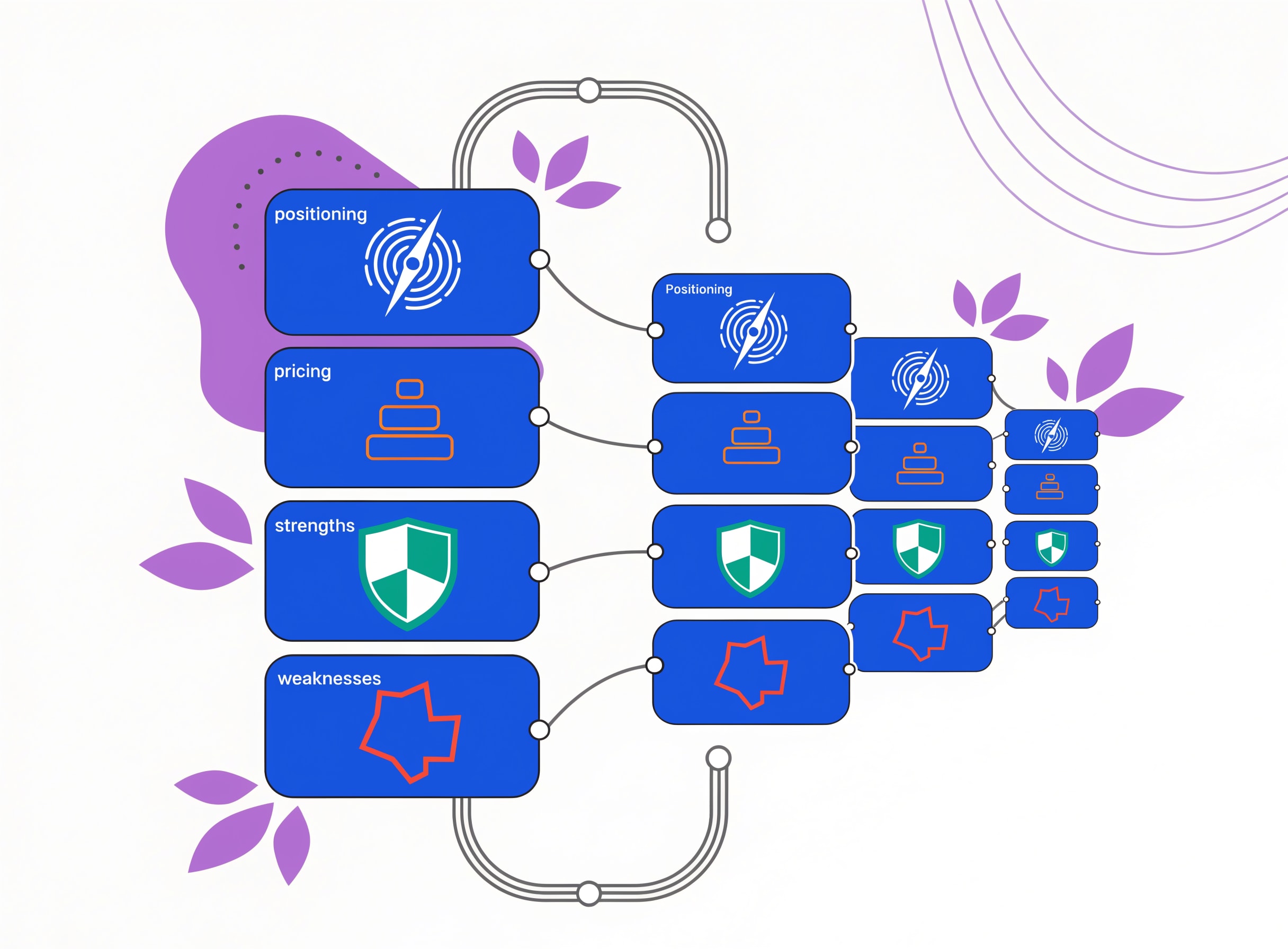
The core competitor research skill. Two modes: Mode A researches a competitor from public sources into a structured, comparable profile - positioning, pricing, strengths and weaknesses, and the competitive implications. Mode B converts a prospect's known tool stack into a call-ready displacement angle. The important discipline in the output is the separation between observed and inferred, with the source cited for each. Anything that cannot be established from public sources gets named as an open question, not filled with a plausible guess.
When to use: Before writing an alternatives page, before a competitive deal, before a positioning refresh. Also whenever a competitor announces something and the team wants an actual read instead of a Slack rumor.
How to run:
You: "Run the-competitor-dossier on [competitor]."
      [context: their public pages + optional G2 links]

Claude: -> positioning as they state it, verbatim
        -> pricing (observed, inferred, or unknown - explicitly)
        -> strengths grounded in evidence
        -> weaknesses grounded in evidence
        -> competitive implications for us
-> open questions that public sources could not resolveBest used with: Direct URLs, not category summaries. "G2 says X" is not evidence; the competitor's own pricing page is.
Where this skill hits its ceiling: Public sources only. If the interesting thing about a competitor is their unpublished roadmap, this skill will name that as an open question rather than invent an answer.
With Intempt: Dossiers become live briefs inside the Sell workflows so a competitive deal sees the same profile every AE reads, not a Notion doc that goes stale between quarters.
2. the-ad-library-miner - what your competitors are actually running
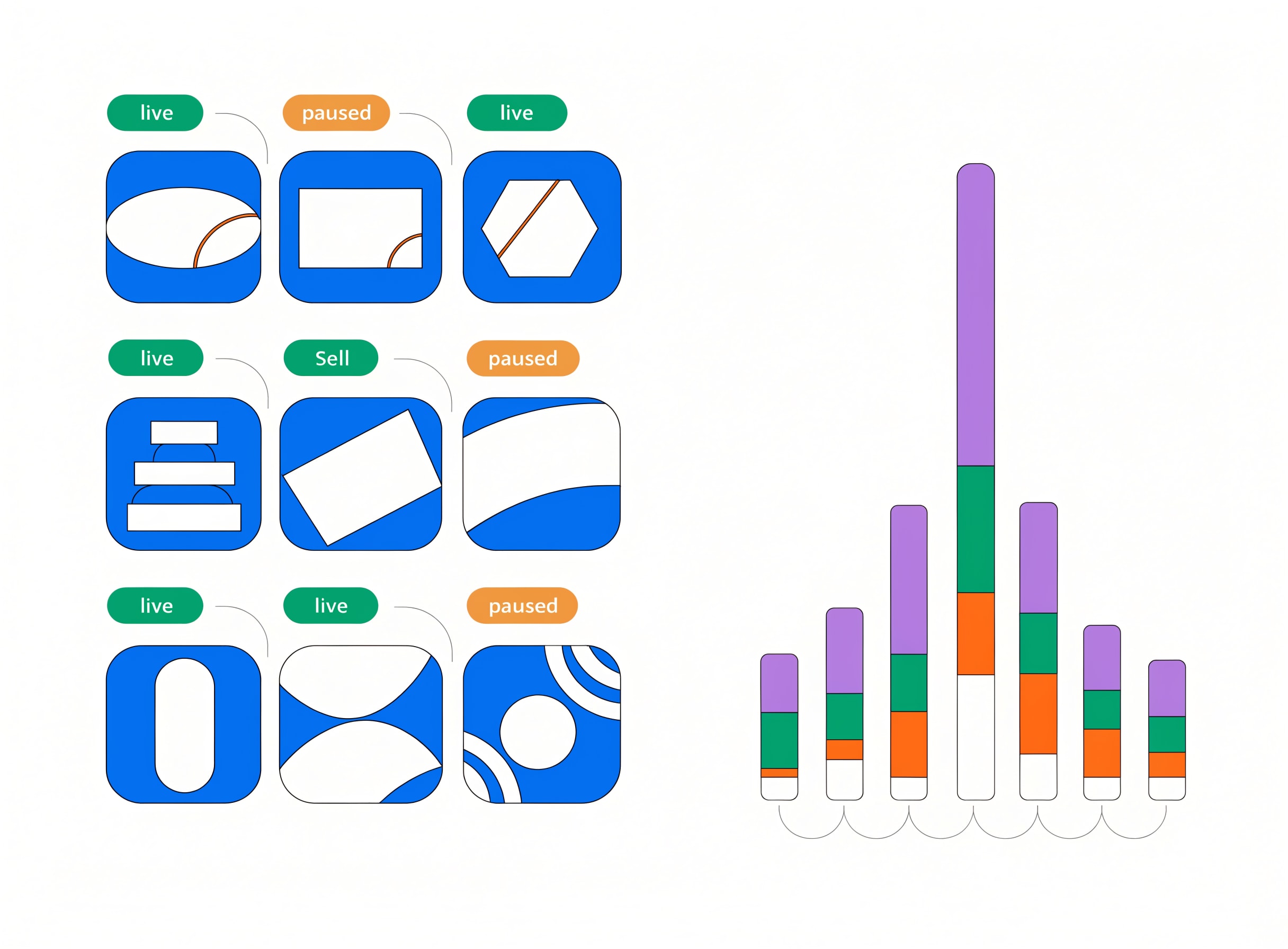
Reads Meta Ad Library and Google Ads Transparency Center for a named competitor and returns the angles they are currently running, the ones they retired, the audiences the copy implies, and the creative patterns that dominate. This is one of the highest-signal research inputs there is - competitors put money on the angles they believe convert, and the ones running for 90+ days are usually the winners.
When to use: Before designing an ad-angle brief, or before launching in a new market where you do not know the vernacular. Also useful for detecting when a competitor's positioning has quietly shifted.
How to run:
You: "Run the-ad-library-miner on [competitor]."
      [context: their brand names and any subsidiary handles]

Claude: -> currently running angles, with age
        -> retired angles (they tried, they cut)
        -> implied target audiences per angle
        -> creative patterns (talking head, product demo, quote card)
-> the angle we should test against themBest used with: A named brand plus subsidiary handles. Missing sub-brands hide half the corpus.
Where this skill hits its ceiling: Public ads only. Dark-post and lookalike-audience data are not in the ad library.
With Intempt: Angle findings feed into the ad brief the Performance Marketer agent drafts, so the differentiation angle is a real one, not a guess at what the market has not heard.
3. the-voice-fingerprint - capture their voice, or your own

Reads real content samples and extracts a checkable voice profile: tone dimensions each carrying a followable rule, required and banned vocabulary, sentence and paragraph patterns, channel adaptations and a weighted scorecard. Runs on your own content to lock in the way you want to sound, and runs on a competitor's content to describe how they sound - two exercises, same skill.
When to use: For competitive research when a rival's positioning read like word soup and you need to name what makes it distinct. Also before every content refresh so the new brief has a real profile to write against.
How to run:
You: "Run the-voice-fingerprint on this content."
      [paste: 5-10 real samples from the target brand]

Claude: -> tone dimensions, each with a followable rule
        -> required vocabulary (what they use)
        -> banned vocabulary (what they never say)
        -> sentence and paragraph patterns
        -> the distinct thing about how they sound
-> weighted scorecard for grading new contentBest used with: Real published work, not aspirational examples.
Where this skill hits its ceiling: It describes the voice; it does not judge whether that voice is working. That is a separate exercise against real conversion or engagement data.
With Intempt: Voice profiles attach to campaigns so the Marketing agent can grade generated content before it ships, whether it is imitating the founder's voice or the incumbent's.
4. the-promise-sharpener - what are we actually promising
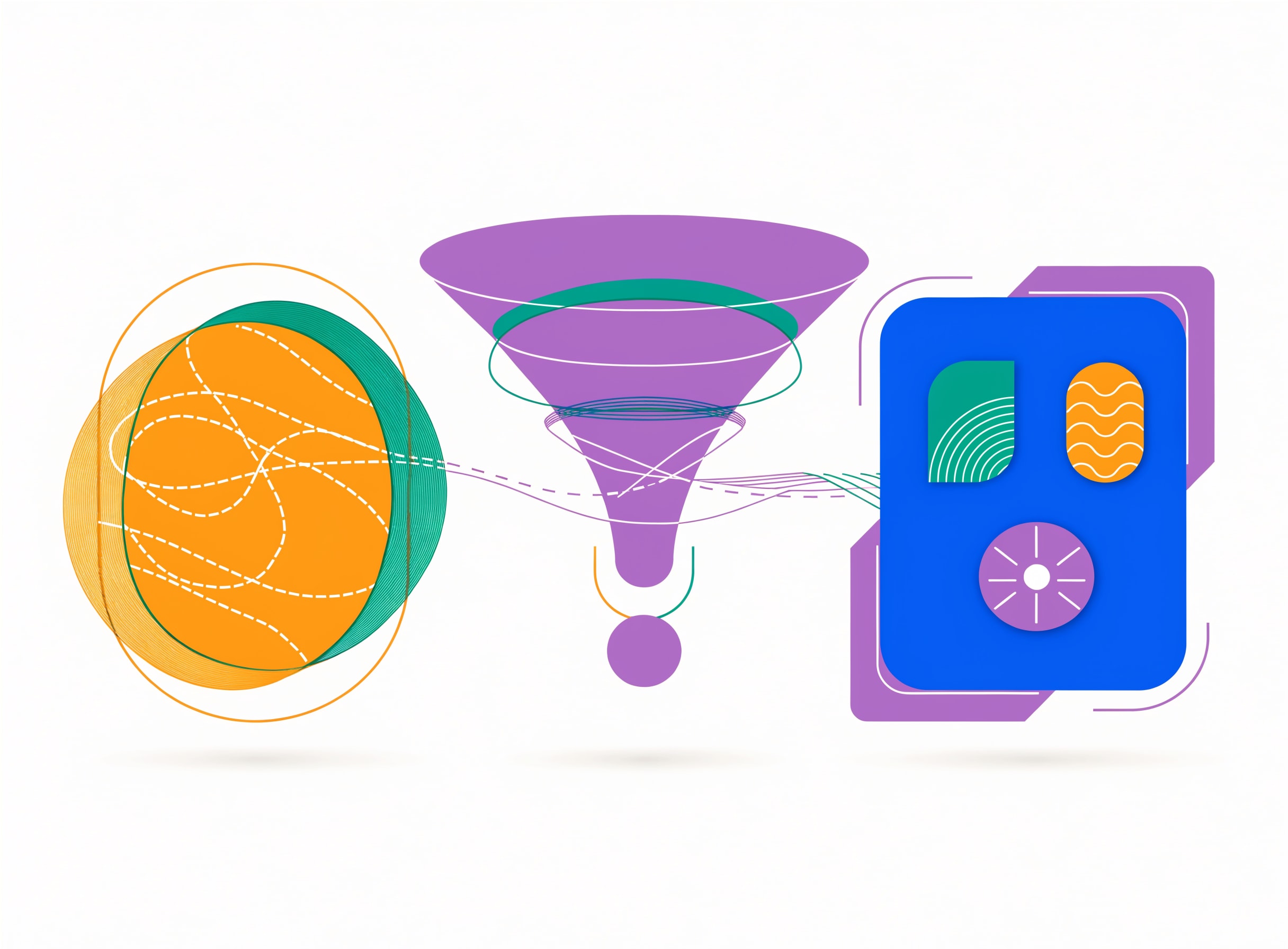
Mines real buyer language from reviews, forums, sales call transcripts and support tickets, then stress-tests your current positioning statement against that corpus, the competitor dossiers and your own ability to deliver. Returns a sharpened promise: what specifically you deliver, for whom, in place of what alternative, with a proof point - plus the full reusable positioning artifact behind it (for-whom, problem, category, benefit, differentiation, proof) so the promise has a structure the whole funnel can reuse. The refusal to accept vague promises is the whole point - a positioning statement that could belong to three other companies is a positioning statement that is not doing its job.
When to use: Before every category launch, quarterly review, or whenever the team catches itself saying "we help X with Y" and could not name a competitor the sentence excludes.
How to run:
You: "Run the-promise-sharpener on our current positioning."
      [context: current statement + verbatim corpus + competitor dossiers]

Claude: -> current promise, restated as a testable claim
        -> what we deliver, specifically
        -> for whom (the segment named in real language)
        -> in place of what alternative (named)
        -> proof point (evidence, not a bullet)
-> the version we should not ship (and why)Best used with: A real review corpus (G2, Reddit, call transcripts, support tickets) plus the-competitor-dossier already in hand. Without them the skill is refining vibes.
Where this skill hits its ceiling: It sharpens the promise; it does not test whether the market will pay for it. That is downstream in real campaigns and pricing tests.
With Intempt: Sharpened promises become the anchor line for every generated variant, so the Marketing agent writes to a real promise, not a placeholder.
5. the-angle-vault - convert research into campaign angles

Turns a product and an audience into a creative brief: distinct messaging angles selected from a fixed vault of fourteen, each mapped to a funnel stage and a channel, with placement specs and the reason that angle suits that stage. The value here is the constraint: the vault is fixed, so you cannot ship the same three angles you always ship - you have to choose from a set that includes ones the team never picks.
When to use: Starting a new ad campaign, when existing creative has fatigued and every variant is saying the same thing, or during a re-launch when the team needs an angle the market has not heard from you.
How to run:
You: "Run the-angle-vault for our next campaign."
      [context: product + audience + funnel stage + channel]

Claude: -> angles selected from the vault (with the ones it rejected)
        -> the funnel stage each fits
        -> the channel each is strongest on
        -> placement specs per angle
-> the reason this angle suits this stageBest used with: The output of the-promise-sharpener and the-competitor-dossier. Angles picked without evidence are back to the same three the team always picks.
Where this skill hits its ceiling: It picks the angle; it does not produce the finished creative. That is the-creative-producer downstream in the Performance Marketer pack.
With Intempt: Angles feed the ad brief the Performance Marketer agent uses to draft campaigns, and the winning angle updates the anchor language for downstream nurture.
6. the-account-blueprint - research one strategic account, deeply
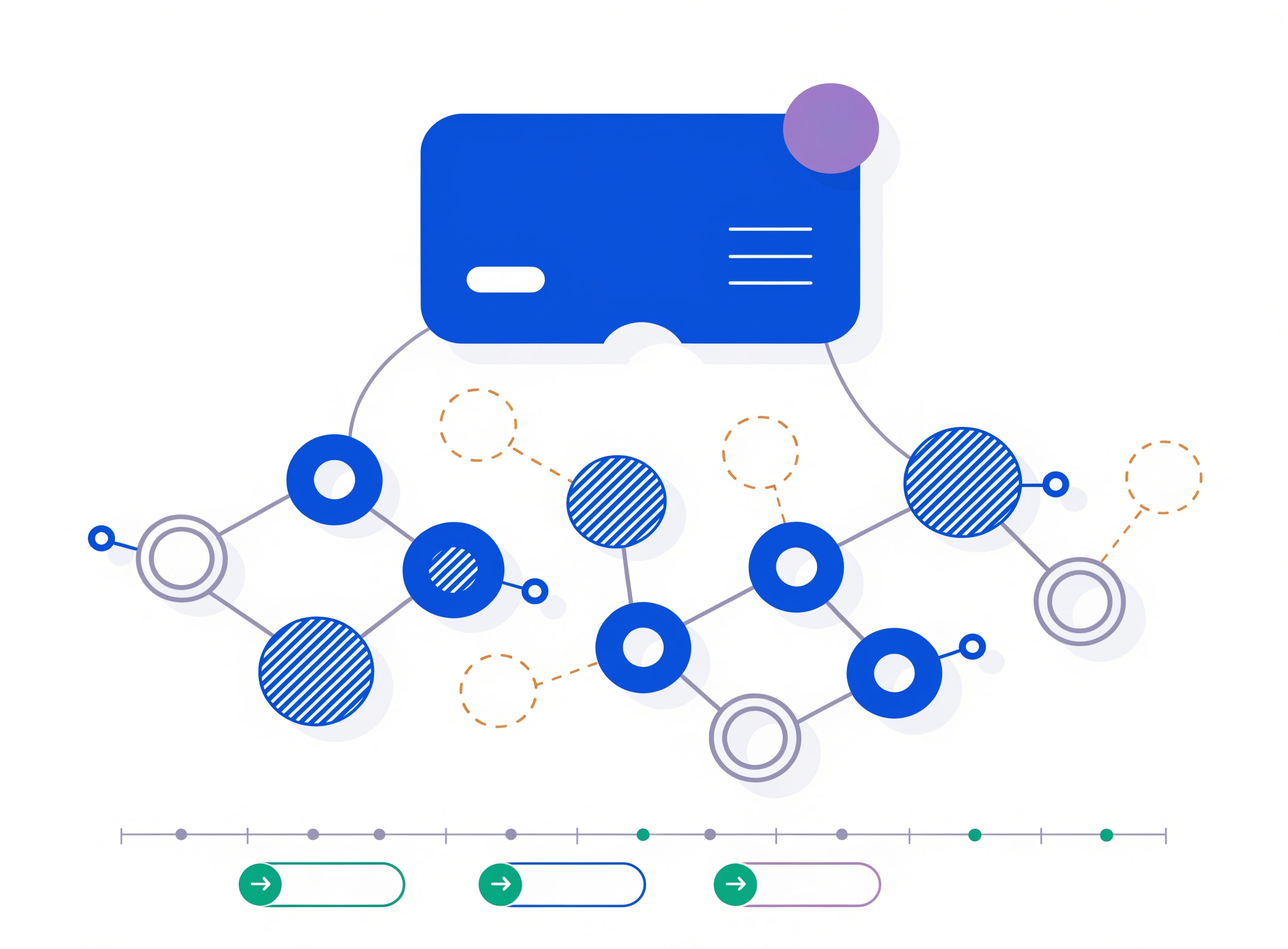
Different from category research: this is one named account, mapped in depth. Buying committee map that names the roles still missing, a multi-threading assessment against the account's realistic committee size, and a 90-day action plan with an owner per play. Researches the account from public sources - job postings, exec interviews, filings - before asking for anything the web can answer.
When to use: For strategic accounts where the deal is worth the depth. Also whenever an executive at a target account changes and the whole committee shifts.
How to run:
You: "Run the-account-blueprint on [account]."
      [context: known contacts + priority + timeframe]

Claude: -> buying committee map
        -> roles still missing from our thread
        -> multi-threading assessment vs realistic committee size
        -> 90-day action plan, owner per play
-> the trigger signals we should watch forBest used with: A real account name and known contacts. Running against a whole account list is the wrong skill - that is the-list-builder.
Where this skill hits its ceiling: Public sources only. Internal politics, private strategy calls, and unpublished priorities are open questions.
With Intempt: Blueprints become tracked engagements inside the pipeline so the multi-threading assessment is a live metric, not a slide.
7. the-transcript-miner - your sales call archive is your best research corpus

Reads raw sales call transcripts and extracts what the follow-up needs: deal signals, objections actually raised, pain points the prospect confirmed rather than the ones the rep suggested, a stakeholder map, and one specific recommended next action. Doubles as research when you run it across a batch - it names the objection patterns you keep hitting, and the pain points that come up in more than one deal.
When to use: After a discovery call for one-deal use, or across a batch of transcripts for research use. Also useful before a positioning refresh, to test whether the promise holds up against what customers actually said out loud.
How to run:
You: "Run the-transcript-miner across our last month of calls."
      [paste: raw call transcripts, ideally 20-50]

Claude: -> objection patterns, ranked by frequency
        -> pain points prospects volunteered (not rep-suggested)
        -> stakeholder patterns (who says what)
        -> the language that closed vs the language that stalled
-> the follow-up template the pattern impliesBest used with: Real transcripts, not summaries. Summaries lose the language, which is the point.
Where this skill hits its ceiling: Existing calls only. If you are researching a market you have not yet sold into, the-promise-sharpener reading public forums is the closer substitute.
With Intempt: Transcript signals feed the Sell workflows so the objection patterns show up in the next rep's prep, not in a retro deck three quarters later.
Which skill to run first, per research question
| The question | Run this first | Why |
|---|---|---|
| What does our competitor actually say | the-competitor-dossier | Public sources, observed vs inferred, cited |
| What angles are our competitors running in ads | the-ad-library-miner | Ad Library is the closest thing to their P&L |
| How does their voice differ from ours | the-voice-fingerprint | Runs on both sides of the comparison |
| Is our positioning strong enough to survive | the-promise-sharpener | Stress-tests the promise against the corpus |
| Which angles should our next campaign try | the-angle-vault | Fixed 14-angle vault, so no default |
| What is going on inside this one big account | the-account-blueprint | Public sources first, then internal fill-in |
| What are we hearing across our own calls | the-transcript-miner | Batch mode = market research from your own archive |
The pattern here: every skill separates observed from inferred. When a skill will invent a plausible-sounding detail to fill a gap, the research is worthless downstream - you have to remember which parts were made up and which parts were sourced, and nobody remembers.
Where Claude Code skills fit alongside Intempt
Research skills produce inputs - dossiers, verbatim corpora, voice profiles, promises, angles. Intempt runs the surfaces those inputs power: campaigns, sequences, landing pages, sales enablement. The handoff is one-directional: a skill drafts the research, you review it, it becomes the anchor for the campaign the Marketing agent or the SDR pack runs against a shared customer profile.
This matters most when research and execution get done by different people. When the strategist writes a positioning doc and it never reaches the SDR sequence, the sequence writes to a persona instead of the corpus. When the researcher builds a competitor dossier and the AE never sees it, the deal gets fought on features the competitor already conceded. Intempt closes that loop by keeping the same profile visible to both sides.
What to install this week
- Install the SDR pack first if you do not have one already. the-competitor-dossier and the-account-blueprint live there, and they are the highest-leverage first runs for a research week.
- Run the-promise-sharpener on your real review corpus, not on personas. Personas are what got you the positioning that is not working; the corpus is what tells you why.
- Save the output as a real file in the repo. Skills produce structured docs. Keeping them as a shared markdown file rather than a chat transcript is what lets the next campaign inherit them.
- Update quarterly, not "when we get to it". Competitor pages change, buyer language shifts, ad angles fatigue. The value of a stated method is that you can rerun and diff.
For a companion pass, see 7 best Claude design skills for brand and content - the brand pack is what turns a sharpened promise into a shipped campaign. Start for free on Intempt if you would rather run the same research jobs against live customer data than paste inputs by hand.