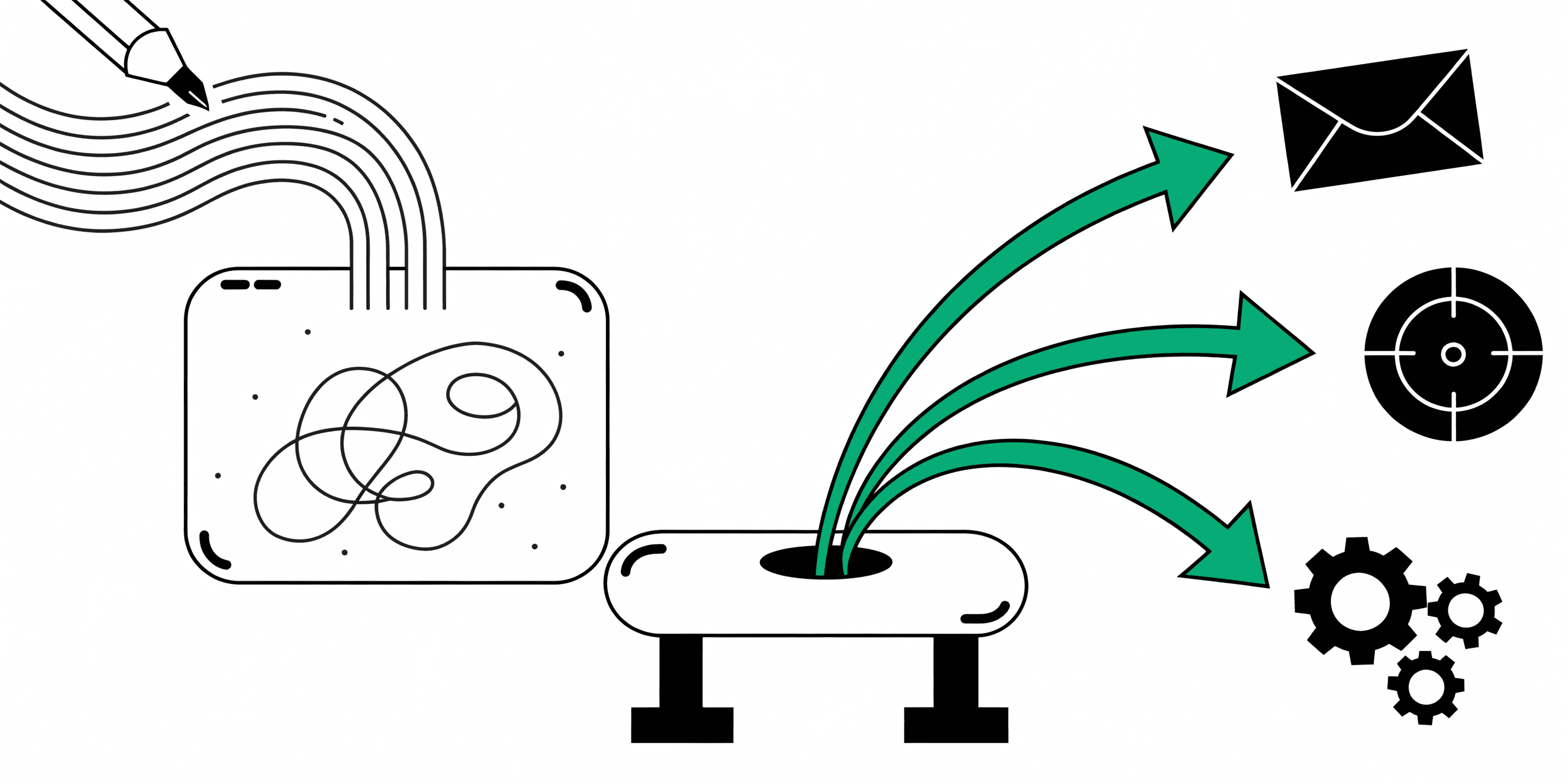

- A GTM AI platform is a list of agent jobs, not a UI. The one that decides whether the whole platform earns its keep is the GTM Engineer agent, and its first job at the paid-media layer isn't building a scoring model. It's auditing whether the Google Ads conversion signal you're already bidding on is trustworthy.
- Most teams skip that audit. They bid on a page-view event miscoded as a conversion, watch CPA drift, and blame the auction. The audit is a one-hour job the GTM Engineer agent does before touching a bid, and it's the difference between a platform that saves ad spend and a platform that automates burning it.
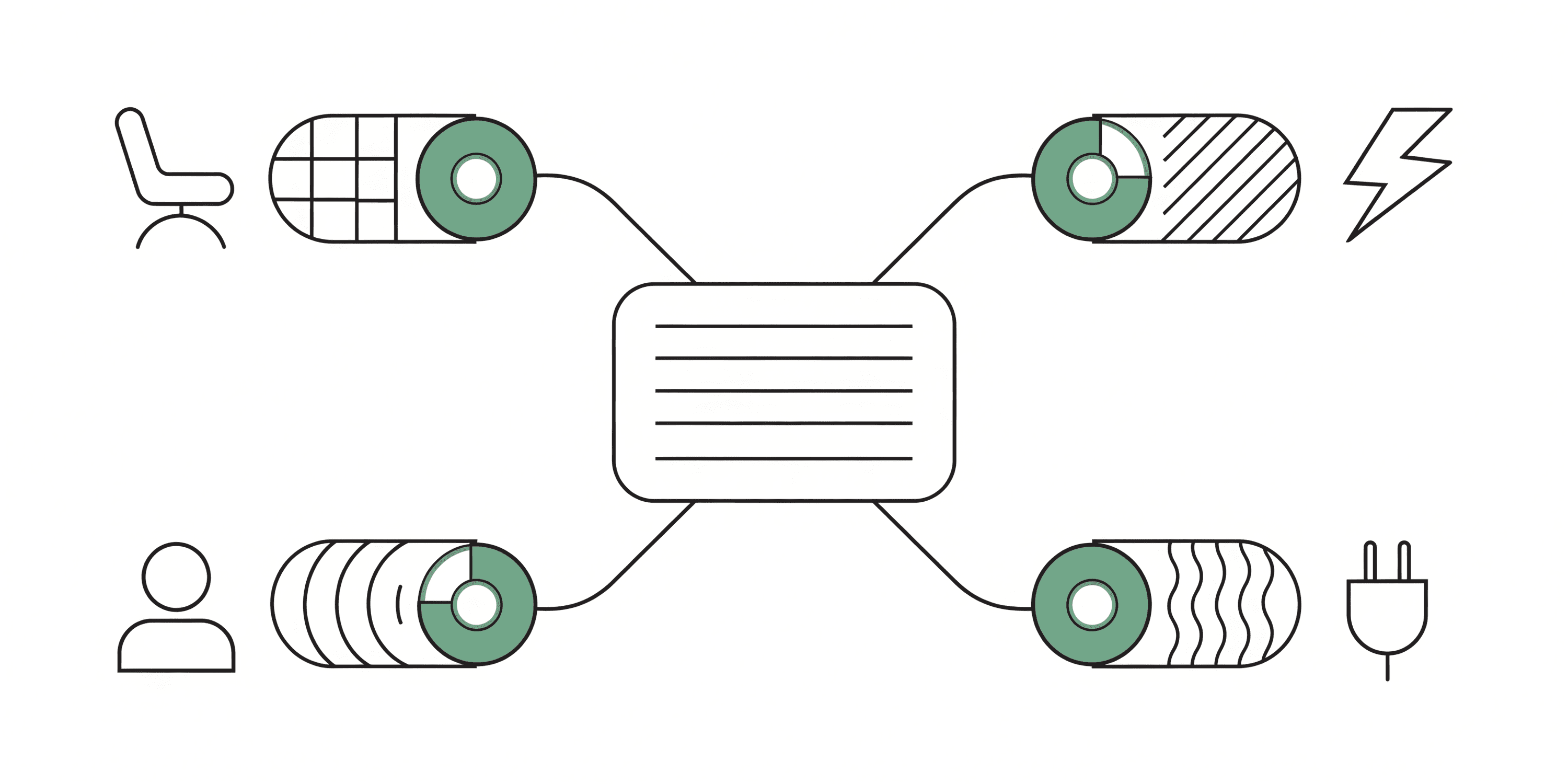
- The frame is a Conversion-Signal Trust Ladder: four rungs, each one a specific question the audit answers before the bid confidence can go up. Same skill, same output shape, every account.
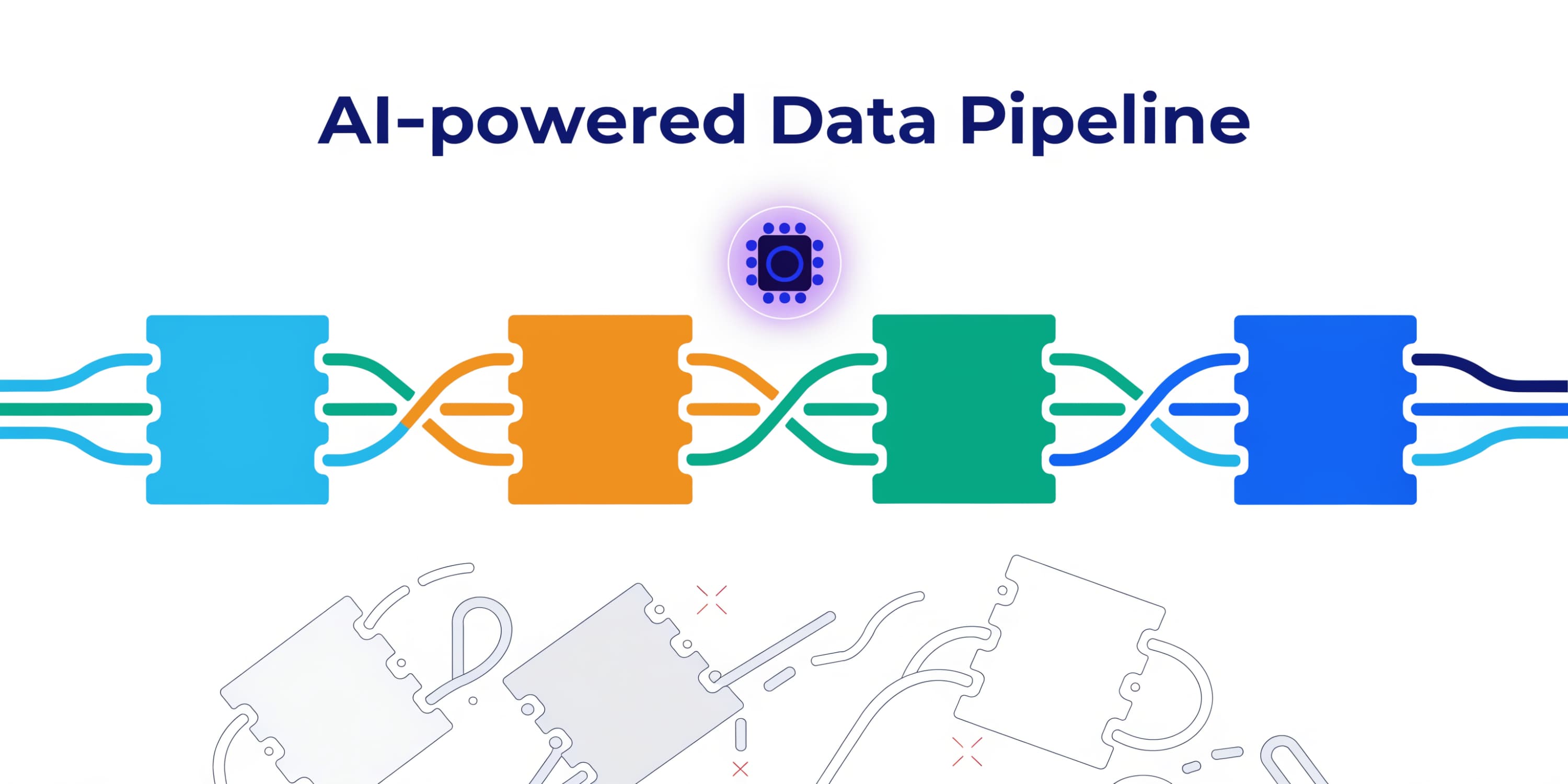
A GTM AI platform is not a UI. It's a list of agent jobs that used to be a coordinator role. Lead scoring, routing, deal-stage updates, conversion-signal audits, forecast rollups. Each job runs as a skill with a stated method, against one customer profile, on a schedule. That's the shape. The Blu GTM Engineer agent is the one that decides whether the rest of the platform earns its keep, because it does the plumbing every other agent depends on.
This post is for performance marketers and GTM engineers deciding what to put on the GTM Engineer agent's plate first, and it argues for the least-glamorous starting point: audit the conversion signals your bid strategies are running on before you touch anything else. Nothing else in paid media is downstream of a trustworthy signal, and nothing else in the platform makes up for one that isn't. If you're still deciding which layers the platform should replace at all, the stage-based GTM tech stack breakdown is the place to settle that first.
The short version
- A GTM AI platform is a checklist of agent-run jobs, not a category label. Every vendor claims the label now. What sorts them is which jobs actually run.
- The GTM Engineer agent is the one whose output every other agent depends on. Get its plumbing right first, or the rest of the platform automates the wrong decisions faster.
- The GTM Engineer's first job at the paid-media layer is not building a scoring model. It's the-conversion-goal-audit, which decides whether the Google Ads signal you're bidding on is trustworthy.
- Bid strategies run every hour. A scoring model that's wrong hurts you at the pace of your sales cycle. A bid strategy on a broken signal hurts you at the pace of the auction.
- The Conversion-Signal Trust Ladder has four rungs: fires, primary, de-duplicated, revenue-mapped. Bid confidence goes up rung by rung.
- Most accounts sit on rung 2 and don't know it. Enhanced Conversions and offline imports are where the gap between the dashboard and reality is widest.
- The audit's output is the input to the-bid-strategy-picker. You do not pick a bid strategy until the signal is trusted.
- The pattern generalises. Same discipline for Meta, TikTok, LinkedIn. Different gaps, same audit-before-bid rule.
The label "GTM AI platform" now sorts nothing
Every serious GTM vendor now calls itself AI-native or agentic. HubSpot Breeze, Salesforce Agentforce, Clay, ZoomInfo Copilot, and eight others self-describe with the label on their own homepages. That's the floor, not the ceiling. Because the label sorts nothing, the useful question is what the platform actually does at the layer where money moves fastest. That layer is paid media, and the answer is either "it audits the conversion signals before bidding" or "it doesn't."
The vendors that don't audit still ship a dashboard that says the conversion rate is up 12 percent. The dashboards are honest. The math is honest. What's not honest is the underlying event, which might be a page view mis-tagged as a conversion, or a Purchase event that fires before the customer's card actually clears. The dashboard reports the number the account is optimising to. The audit decides whether that number is a number worth optimising to.
Why the GTM Engineer agent is the one that decides the platform
Inside the platform, some agents are visible (the SDR agent drafting outbound, the meeting-notetaker summarising calls) and some are invisible (the GTM Engineer defining what a conversion is, what a lifecycle stage means, when a lead becomes an opportunity). The visible agents get the marketing pages. The invisible agent decides whether the visible ones are working on trustworthy inputs.
This is why the GTM Engineer agent is the wrong one to leave for later. Everything downstream depends on its work. The lead-scoring agent scores against fields the GTM Engineer defined. The bid-strategy agent bids on conversions the GTM Engineer audited. The forecast agent aggregates deals the GTM Engineer's routing rules assigned. If any of that plumbing is wrong, the whole platform automates the wrong decision, faster than a human would have made it, at a scale a human couldn't touch. Speed is a bad thing when the direction is wrong.
Start with the-conversion-goal-audit, not with scoring
The intuitive place to start with a GTM Engineer agent is the lead-scoring model. It's the most-discussed piece and the most-marketed. It's also the wrong place to start if the account is running paid media, because the sales cycle is weeks and the ad auction runs every hour. A wrong scoring model hurts you at the pace of the pipeline. A wrong conversion signal hurts you at the pace of the bid.
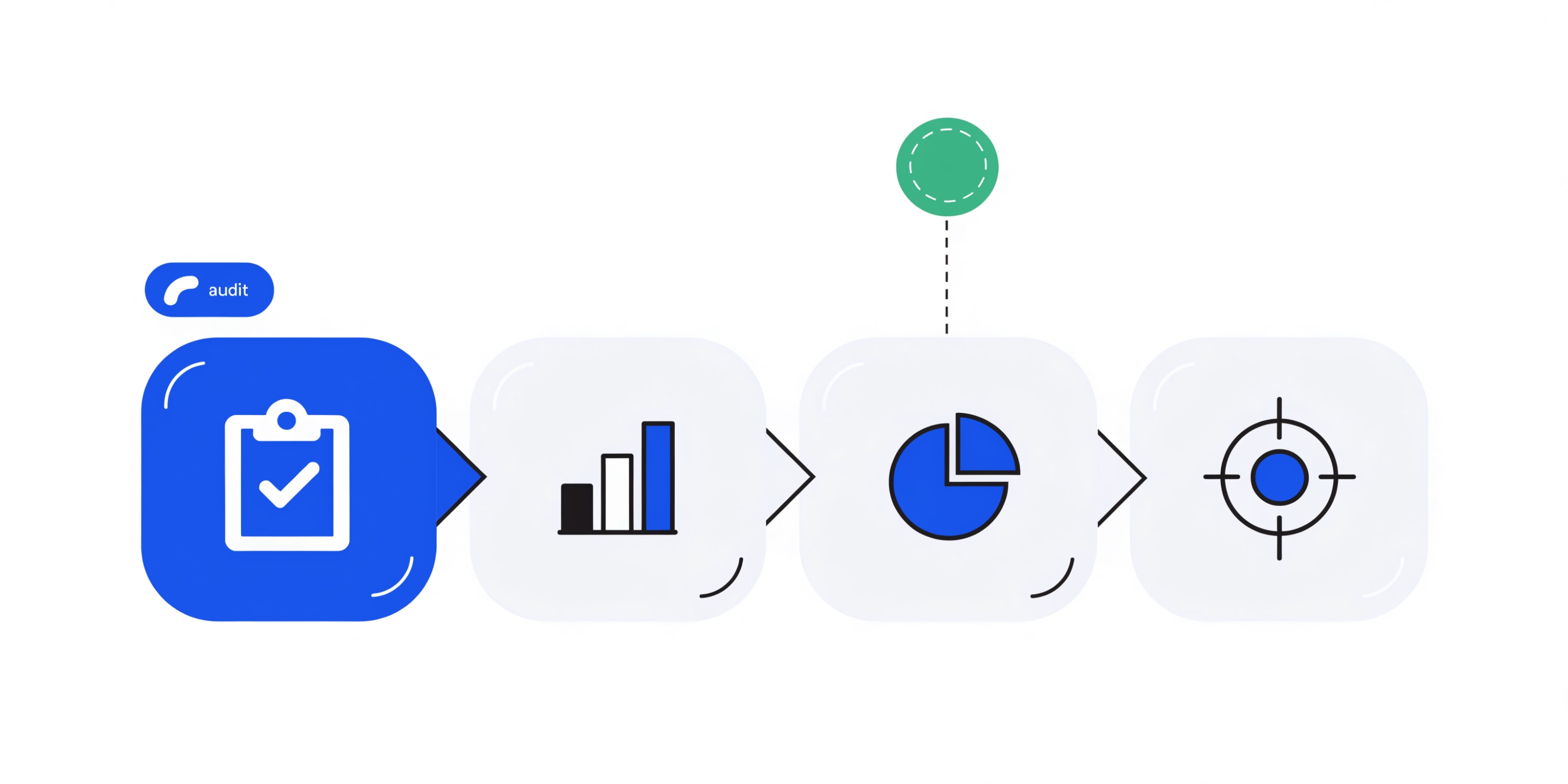
The audit that runs first is the-conversion-goal-audit. It reads a Google Ads account and answers four questions with evidence, not opinion. Which action is the primary conversion. Whether that action fires only where it should. Whether it de-duplicates across web, offline, and phone. Whether it maps to a revenue-producing outcome. A one-hour job on an account that's been running for three years, and in most audits, at least one of the four answers is not what the account owner assumed.
The Conversion-Signal Trust Ladder
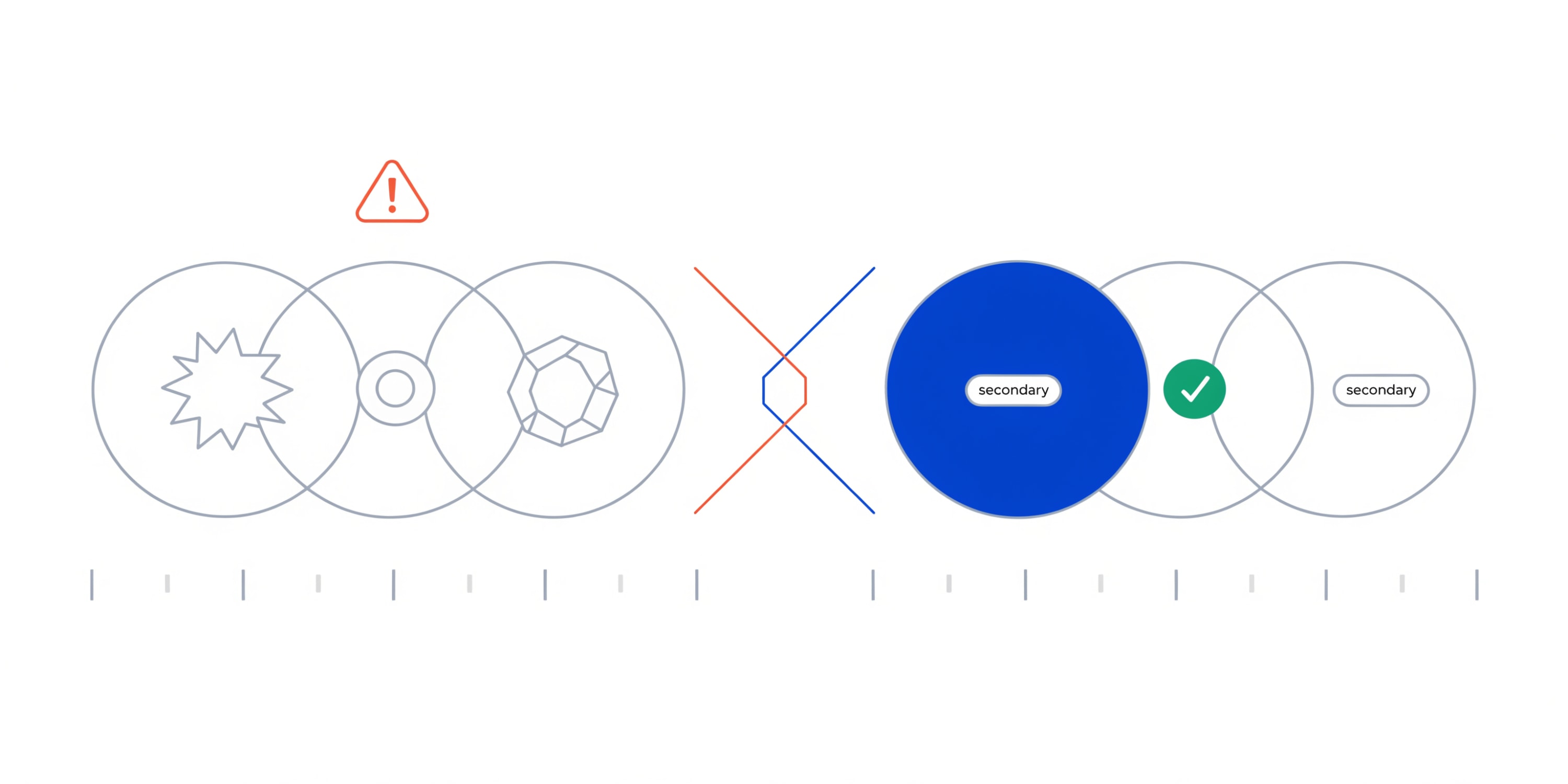
The audit produces a rung, not a score. Rung 1: the event fires. This sounds tautological until you check. GA4-to-Ads import failures, misfiring gtag calls, and duplicate tag containers put a real percentage of accounts on this rung without knowing. Rung 2: the event is set as the primary conversion, not a secondary observation. Secondary conversions inform, primary conversions bid. Accounts with three "primary" conversions (lead form, phone call, page view) are mathematically bidding on the noisiest of the three, which is almost always the page view.
Rung 3: the event de-duplicates. The thank-you page fires once per real conversion, not once per session refresh. The phone-call conversion has a minimum talk-time gate (15 seconds is not enough; 60 is the working baseline). Enhanced Conversions match against real customers, not against a hashed field the account manager never populated. Rung 4: the event maps to a revenue-producing outcome. A Purchase event that fires before the deposit clears is worse than useless when returns run above 5 percent. An MQL event that fires on a demo request is fine if MQL-to-revenue is stable; it's a lie if half the demos never book. Bid confidence goes up rung by rung. A team on rung 1 shouldn't run Target CPA yet. A team on rung 4 should.
The audit's most-common findings, in order
Across the accounts the-conversion-goal-audit has run on, four patterns show up more often than the others. Pattern one: the account has three or more conversion actions marked as primary. Google's algorithm treats them as a set and blends toward whichever fires most, which is almost always the least-valuable one. The fix is a one-click reclassification and it moves CPA by double digits within a week.
Pattern two: the phone-call conversion is set to fire at 15 seconds or has no minimum talk-time gate at all. Every wrong number, hang-up, and voicemail counts. The account is bidding on noise. The fix is 60 seconds minimum, and it takes a Google Ads phone-forwarding number to enforce. Pattern three: the Enhanced Conversions field mapping was set up once and never verified. The account thinks it's matching 60 percent of conversions to real users and is actually matching 12 percent, because a form field renamed itself six months ago. The fix is a one-line audit run and a re-mapping. Pattern four: the offline conversion import runs on a schedule that lags 48 hours, but the Target CPA is set with a 14-day conversion window. The algorithm is bidding on stale data and doesn't know. The fix is either a shorter window or a faster import cadence.
How the audit output feeds the rest of the platform
The Conversion-Signal Trust Ladder rung is not a report the audit writes and closes. It's the input to the next agent's run. The-bid-strategy-picker reads the rung before it recommends a bidding approach. A rung-2 account gets Manual CPC or Enhanced CPC with a stated reason. A rung-4 account gets Target CPA or Target ROAS with a stated reason. Same input, different recommendation, because the trust level of the underlying signal changed the answer.
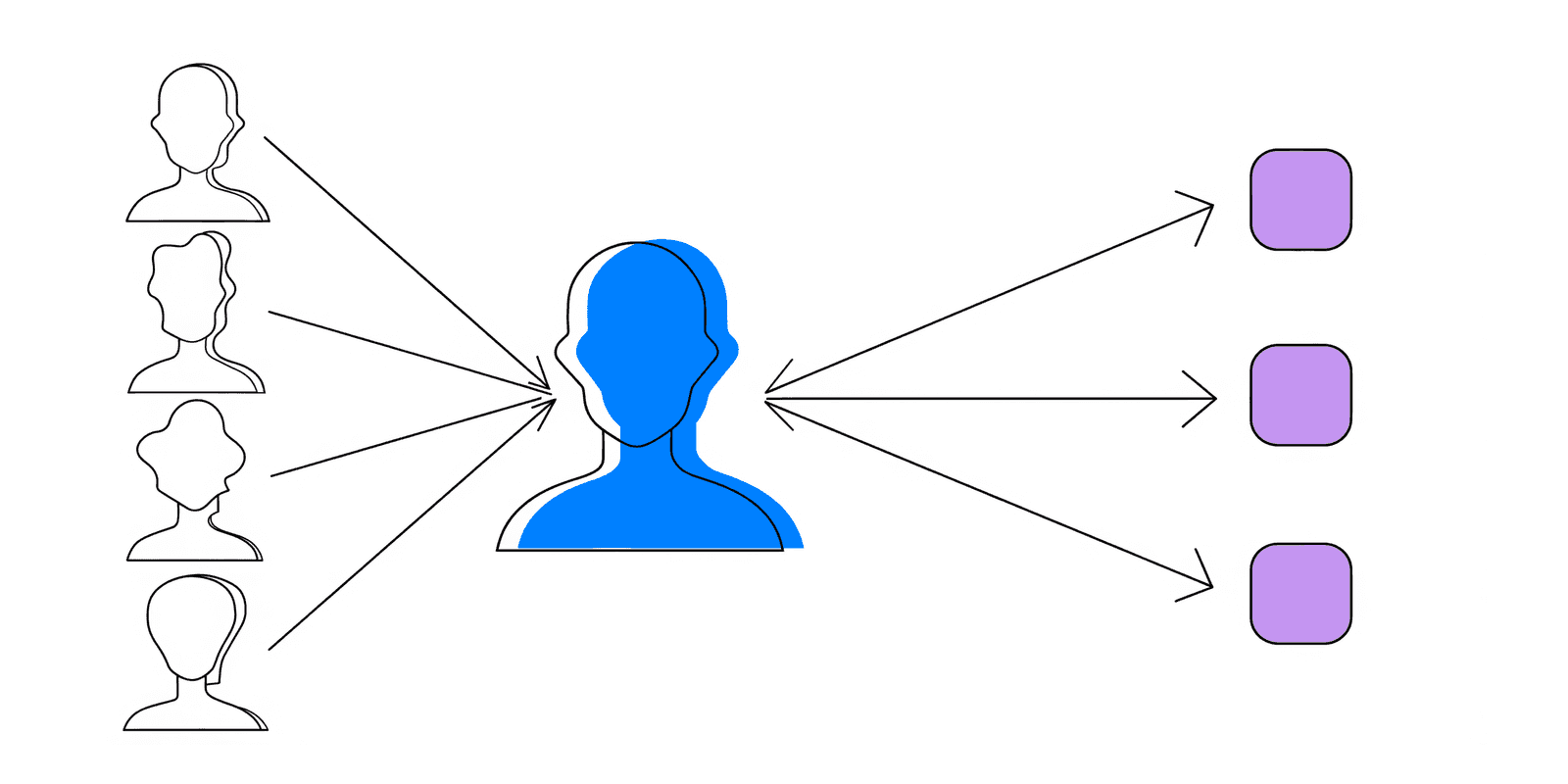
This is the general shape of how a GTM AI platform's agents chain. Not by feature ("the bidding module talks to the reporting module"), but by trust ("the reporting module reads whatever the audit signed off on"). Every agent's output is another agent's input, and the whole platform's usefulness depends on the earliest audit being honest, the same reason marketing attribution breaks when the underlying event is untrustworthy. The GTM Engineer agent is the one that runs the earliest audit, which is why it decides whether the platform earns its keep.
The pattern generalises to Meta, TikTok, and LinkedIn
The specific rungs above are Google Ads-shaped because Google Ads has the widest gap between account state and dashboard state, thanks to Enhanced Conversions and offline conversion imports. Meta, TikTok, and LinkedIn have narrower gaps, but the same audit-before-bid rule applies. Meta's Conversions API deduplication is the equivalent of Google's Enhanced Conversions field mapping. TikTok's event match quality score is the equivalent of Google's phone-call talk-time gate. LinkedIn's insight-tag firing frequency is the equivalent of Google's page-view-as-conversion problem.
The point isn't that every platform has the same audit. It's that every platform has an audit, and the GTM Engineer agent runs the version that's shaped like the platform it's auditing. The rule generalises: no bid strategy runs on unaudited signal. If the account is spending real money and there's no audit rung on file, the bid strategy is running on a hope, and the platform is not doing what a GTM AI platform is supposed to do.
What this means for evaluating a GTM AI platform
When a GTM AI platform demo starts with a scoring model or a routing engine, that's a marketing choice, not a technical one. The demo leads with the visible agents because those are the ones that impress a room. What decides whether the platform is worth the seat cost is whether the invisible agent (the GTM Engineer, the plumbing) does the audit work before anything downstream runs. Ask the demo to show the audit output. If the vendor doesn't have one, the platform is a UI, not a plumbing layer.
Intempt's version is that the GTM Engineer agent runs the audit as a scheduled skill, produces a rung, hands it to the next agent, and the whole chain is one profile deep so the audit doesn't have to reconcile across three data models. The design target is a one-to-ten-person GTM team that would otherwise assemble Clay plus HubSpot plus a warehouse plus a paid-media agency. What Intempt is not: a full-service paid-media agency. It's the audit layer that decides whether the agency's bids are running on real signals.
The takeaway
A GTM AI platform earns its keep when the invisible agent does its job before the visible ones run. The GTM Engineer agent's first job at the paid-media layer is the conversion audit, not the scoring model. Four rungs on the Conversion-Signal Trust Ladder, in that order, and no bid strategy runs on an unaudited signal. Start there and the rest of the platform's agents inherit a trustworthy input. Skip it and the rest of the platform is expensive theatre.