

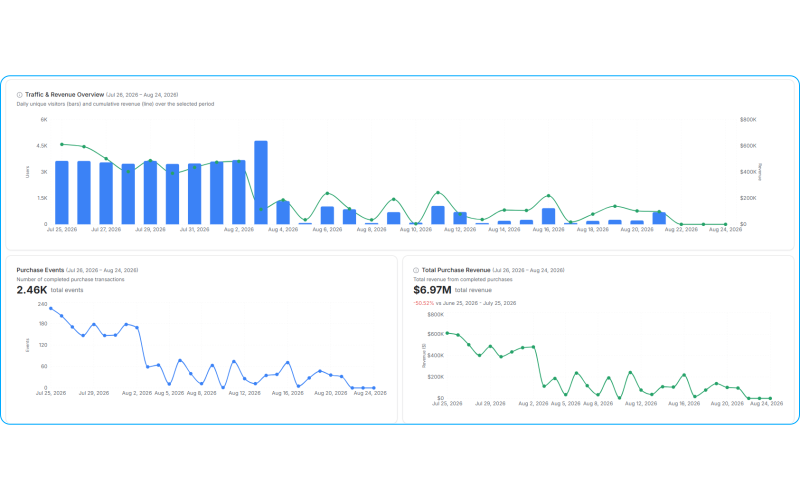

Multi-touch attribution to closed-won
Multi-touch attribution that traces every touchpoint from first click to closed-won.

Every team claims the deal
Sales says the outbound sequence started it, marketing says the webinar did. RevOps is stitching four sources in a spreadsheet to produce one number, and last-click is telling everyone a story that isn't true.
Every campaign traced to revenue.
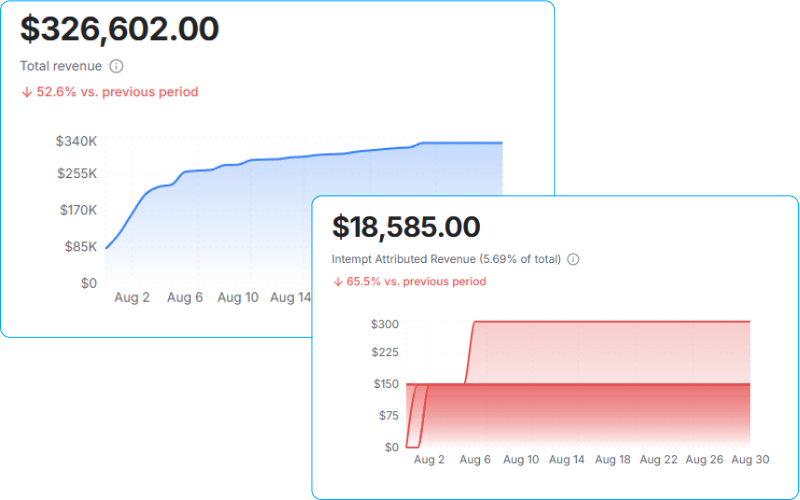
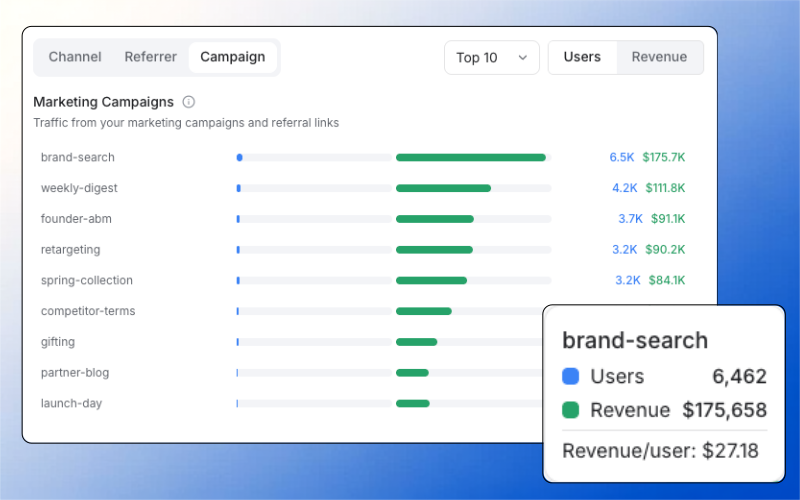
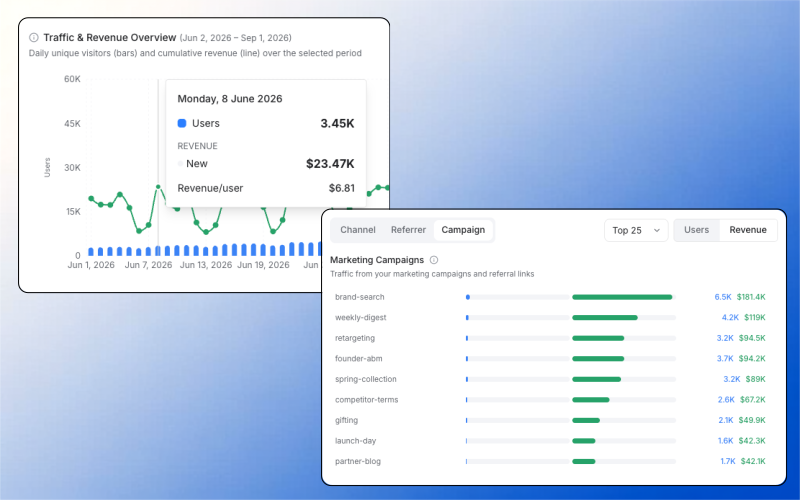
Every marketing touchpoint tracked across the full journey with its actual revenue contribution, not its share of form fills.
- Multi-touch across every channel, first click to paid conversion
- First-touch, last-touch, linear and time-decay models in one report
- The gap between last-click and multi-touch shown explicitly
Spend judged on revenue, not leads.
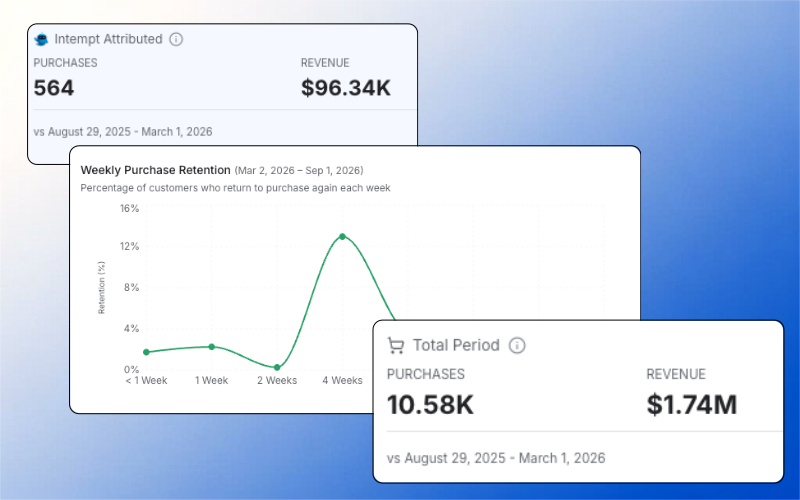
Ad platform spend connected to Stripe or Shopify revenue, so CAC, payback period and 90-day LTV are visible per campaign alongside what it cost.
- CAC, payback and LTV per campaign from real billing data
- Spend and revenue in the same view, per channel and ad set
- Campaigns that drive trials but not retention become visible
One record for marketing and sales.
Both teams work from the same customer profile and the same attribution model, so the argument ends with a number rather than a meeting.
- Shared customer identity across every marketing and sales touchpoint
- Marketing-influenced pipeline per campaign
- Sales outbound activity attributed per sequence
What attribution tools cost, by side of the market
| Tool | Price | Built for |
|---|---|---|
| HockeyStack | $999-2,499/mo | B2B, full-funnel |
| Dreamdata | Free tier available | B2B, account-level tied to CRM revenue |
| Triple Whale | Free tier | Ecommerce, Shopify-native |
| Northbeam | $1,000-2,500/mo | Ecommerce brands spending $500K+/month on media |
The market is split. The B2B tools start around $1,000 a month; the serious ecommerce tools are priced for brands spending half a million monthly on paid media. Very little serves a company that is both B2B and ecommerce, or either one at small scale.
On why this matters: only about 1 in 5 marketers say they are confident in last-click attribution, and marketing leaders rank measuring true incrementality and reducing wasted spend as their top two attribution priorities for 2026.
Sources: eMarketer attribution confidence survey · vendor pricing pages 2026.
Explore more ways Intempt drives revenue.
Connected outcomes across the platform.
In the words of50+ live tenants.

We were losing visitors before they signed up. Intempt's personalized experiences changed that - we started meeting people where they were instead of guessing. Once they're in, Intempt's automated email takes over and keeps the relationship moving. Acquisition and retention finally feel like one connected motion instead of two separate problems.
Jim Stromberg, CEO
StockInvest
Case Study
StockInvest needed to turn anonymous traffic into registered users before any retention strategy could work. With Intempt's Experiences, they personalized the anonymous visitor flow, surfacing the right content and CTAs to boost signup conversion. Once users signed up, automated Journeys nurtured them through onboarding and deeper engagement, steadily increasing lifetime value.
Frequently asked questions
Multi-touch attribution distributes revenue credit across every touchpoint a customer interacted with before converting, instead of giving all of it to one. It matters because last-click systematically over-credits the channels that close and under-credits the ones that create demand.
End the credit argument with data.
Connect your campaigns and billing. Your first multi-touch report is live before the next budget conversation starts.