
Intempt
A hermit crab painting a wave on a canvas at an easel.

Change once, it propagates everywhere.

There is no designer keeping the library straight, so every campaign starts from whatever file you can find and the assets drift apart. One library for Brand Kit, Recipes, Scenes, and Design Systems - every tool and every Blu agent reads the same guardrails, so changing one token re-lands the whole catalog on brand.

Start for free
G2
0.0on G2
10B+events
500M+users
7+years profitable
50+enterprises

Avatars, Scenes, and Poses.

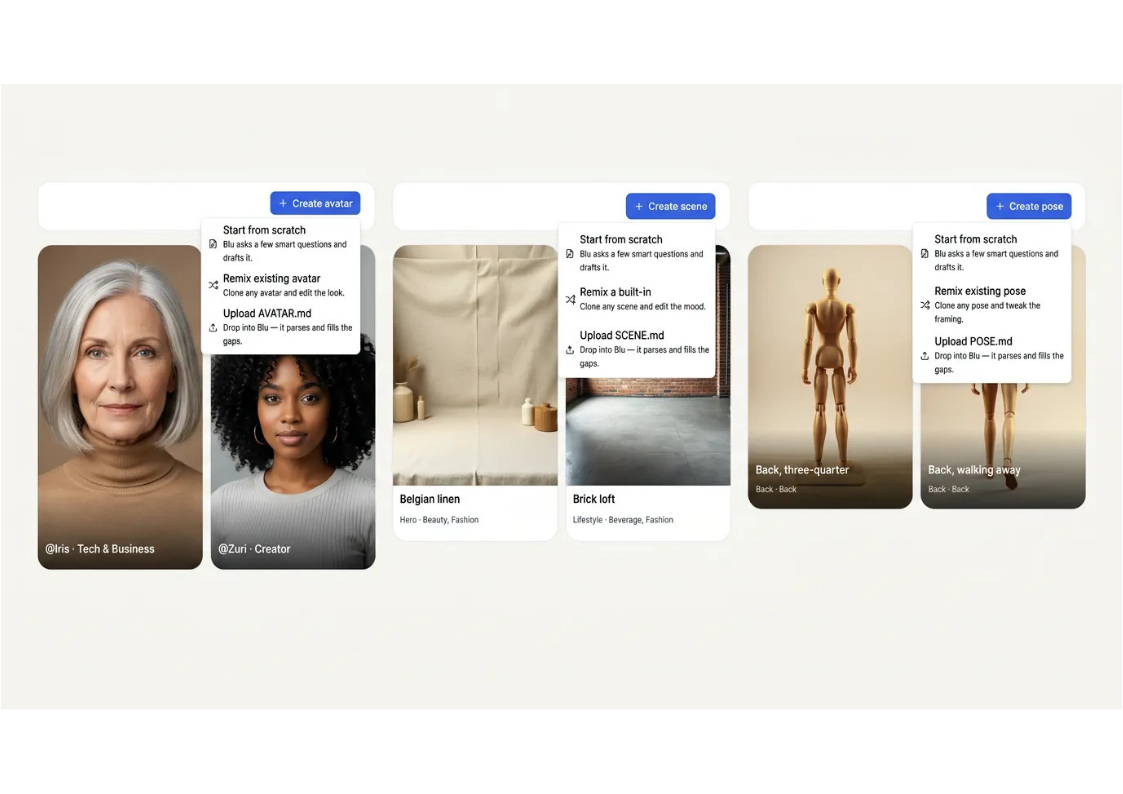
The visual building blocks that power Image and Video generations. 18+ AI avatars, 2,000+ scenes, 30+ pose configurations, all shipped with the product and stored in Blocks - you are picking from a library, not commissioning one from an agency. Assign them per campaign, product category, or market, so the welcome flow and the win-back flow don't reuse the same three photos.

  • 18+ configurable avatarsAppearance, emotion and voice are set per avatar, then saved and reused.
  • 2,000+ scenesStudio, lifestyle, editorial, seasonal, and location-specific.
  • 30+ pose configurationsStanding, seated, action, editorial, and product-hold.
AI avatars, scenes, and poses library

Recipes.

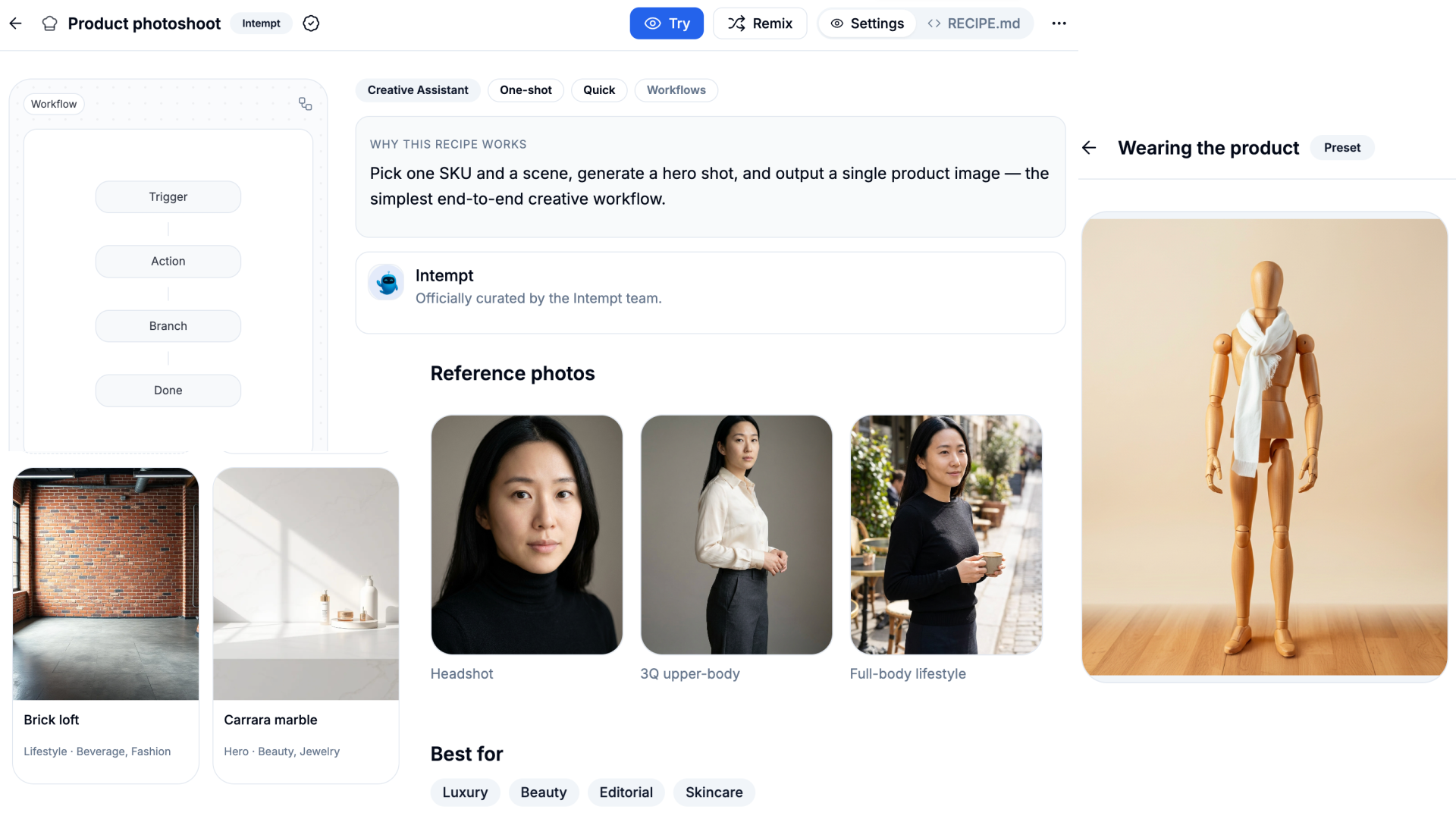
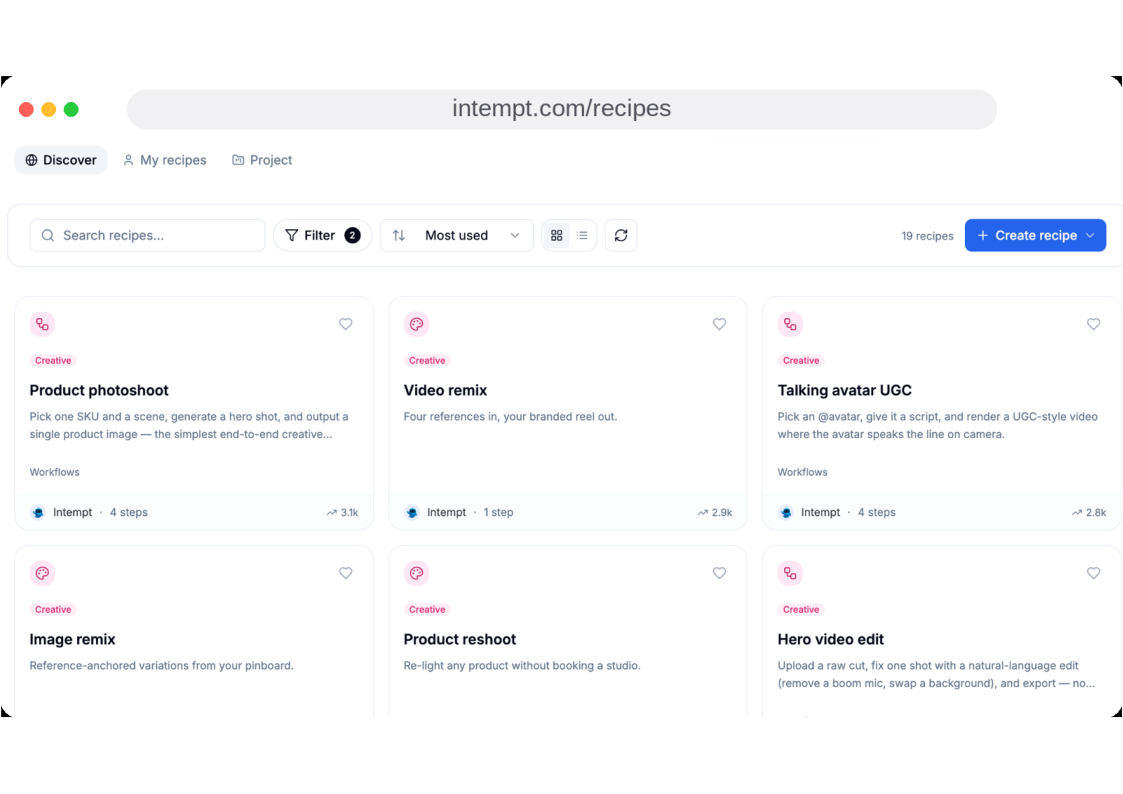
Recipes are the generative specifications that Workflows reference. Define once how a product photoshoot should be structured: which scenes, which avatar, which Brand Kit parameters. Save it as a Recipe, and every play that runs a photoshoot pulls from it. You write the Recipe; the Brand Designer agent runs it.

  • Specs saved as RecipesA generative spec becomes a Recipe that any workflow can call.
  • Share or publish a RecipeKeep it inside the team or publish it to the community library.
  • Recipes lock generative intentSame output quality every time the workflow runs.
Recipes as reusable generative specifications

Design Systems.

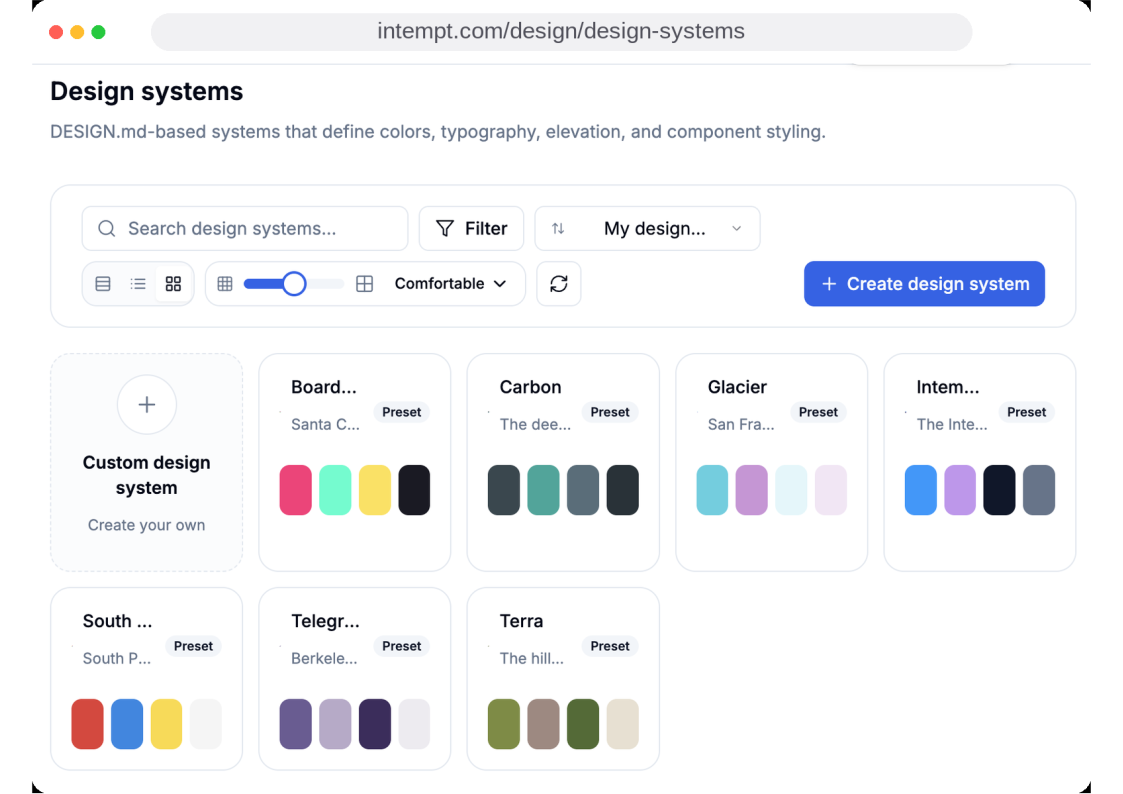
Beyond Brand Kit, Design Systems lock layout rules, component styles, and spacing tokens. Applied to Pages and Message so every landing page and email follows your full design architecture.

  • Token-basedColors, typography, spacing, and border radius defined once and applied everywhere.
  • Supports import from Figma design tokensYour existing system becomes the foundation.
  • Applied to every outputPages and Messages inherit it without anyone applying it by hand.
Design Systems applied to every output

Built for the way marketers actually work.

Seven workflows. One canvas.

Product photography

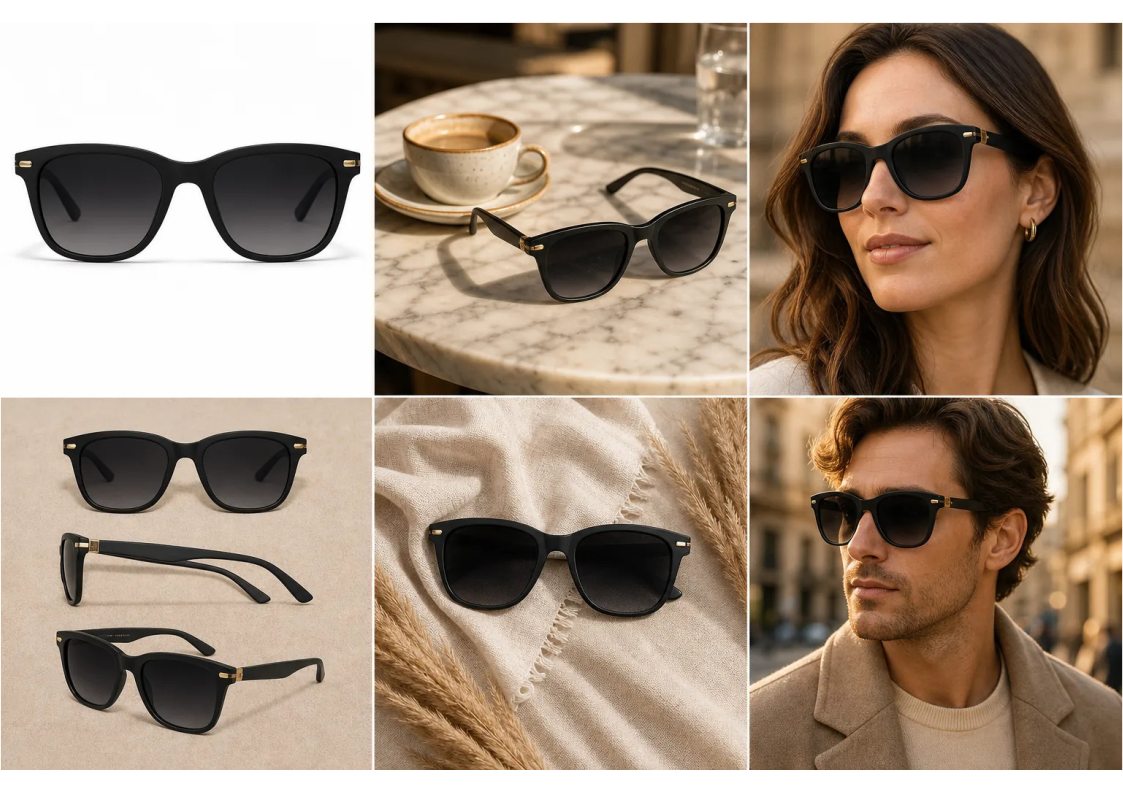
Studio-grade product photos for every SKU. No camera, no set.

Pack shots, on-model photography, and lifestyle scenes from a single product image. Identity-preserved, brand-locked, and ready for PDPs, ads, and every channel.

On-model and pack-shot product photography generated by Intempt

Wired into the toolsyour team already opens.

Slack, Stripe, Twilio, SendGrid, Gmail, Google Calendar, Firebase, Apache Kafka, AWS. Blu Agent operates them for you without a browser tab.

See every integration
JavaScript
Node JS
Apple
Stripe
Gmail
Google Calendar
Google Meet
Twilio
SendGrid
Slack
Amazon SES
Webhook
Apache Kafka
Amazon S3
Firebase Cloud Messaging

Teams love it

They stopped stitching tools andhired one system.

StockInvest

Acquisition and retention are one connected motion. Personalizing the path before signup only pays off when the same system carries the user through onboarding afterward.

Anonymous traffic was not turning into registered users, and acquisition and retention were run as two separate problems. We ran Experiences on the anonymous visitor flow to put the right content and CTAs in front of each visitor, then handed new signups to automated Journeys for onboarding and deeper engagement.

455,396

users instrumented
Read the full research
FieldsUSA

Judge experiments on revenue per visitor instead of conversion rate. A variant can win on conversions and still lose on revenue, and repeat buying only shows up when the whole journey is in one view.

High-intent shoppers browsed a large, specialized outdoor catalog, and browsing, product interest and purchase history sat in different places. We unified them into one customer view, then ran real-time personalization, intent-based segmentation and timely follow-ups on top of it, judging experiments on revenue per visitor.

Read the full research
Hoperfy

Build the pipeline on observed signals. When follow-ups trigger on intent, the team spends its time on the users who are genuinely engaging.

Static lead lists and timeline-based follow-ups were hiding who was actually engaging. We ran a signal-led outbound pipeline where follow-ups fire on real behavior: outbound replies, onboarding progress and product usage.

Read the full research

Blocks,answered.

Every future Image, Video, Message, and Pages output references Brand Kit at generation time, which is what makes it a guardrail rather than a style guide nobody reads. Update Brand Kit and every subsequent generation uses the new rules. Existing outputs can be regenerated.

Intempt Design

One set of blocks. Every tool. Consistent creative at scale.

Brand Kit, Recipes, Avatars, Scenes, Poses, Design Systems. You set the strategy layer once - the rules, the scenes, the recipes - and the Brand Designer agent runs every campaign inside it. No agency retainer, no consultant to build the library for you.

Start for free