
- Aggregate checkout funnels show that people leave without showing why, so the default fix is a shorter form. Segmenting by drop-off pattern separates shipping-cost surprise from payment friction from forced account creation, and those need opposite changes.
Checkout flow optimization usually begins and ends with removing form fields, which only addresses one of several very different drop-off patterns.
Compare multi-step vs. single-page checkout processes to identify what reduces abandonment and optimize the final steps of your funnel.
Overview
This Growbook walks you through building a checkout flow optimization framework using Intempt. Rather than relying on assumptions, you'll test how users interact with different checkout experiences and personalize interventions based on their drop-off behavior. The recovery messages that follow once a shopper has left are covered in our strategies for winning back abandoned carts.
With Intempt, you can track key drop-off points across single-page vs. multi-step flows, segment users based on where they exited, launch personalized journeys based on real-time segments and experiment with checkout flow variations using Intempt Experiences.
Benefits
Validate what works. A/B test single-page vs. multi-step checkout to identify the best-performing flow.
Recover drop-offs. Trigger personalized interventions based on where and when users leave.
Optimize UX. Spot friction, educate users, and smooth out final purchase steps.
Increase conversions. Convert more checkouts by aligning flow, messaging, and follow-ups in real time.
How It Works
To illustrate the use case, we will refer to an ecommerce store, "Threadly".
Step 1: Set up tracking for new user activity and define key user events
Install the SDK on the storefront so each checkout step fires its own event rather than one combined checkout action. Follow the JavaScript SDK or Shopify integration guide to ensure proper setup. Track user activities such as browsing products, adding items to the cart, starting checkout, and completing a purchase (e.g., page_view, add_to_cart, checkout_start, and purchase).
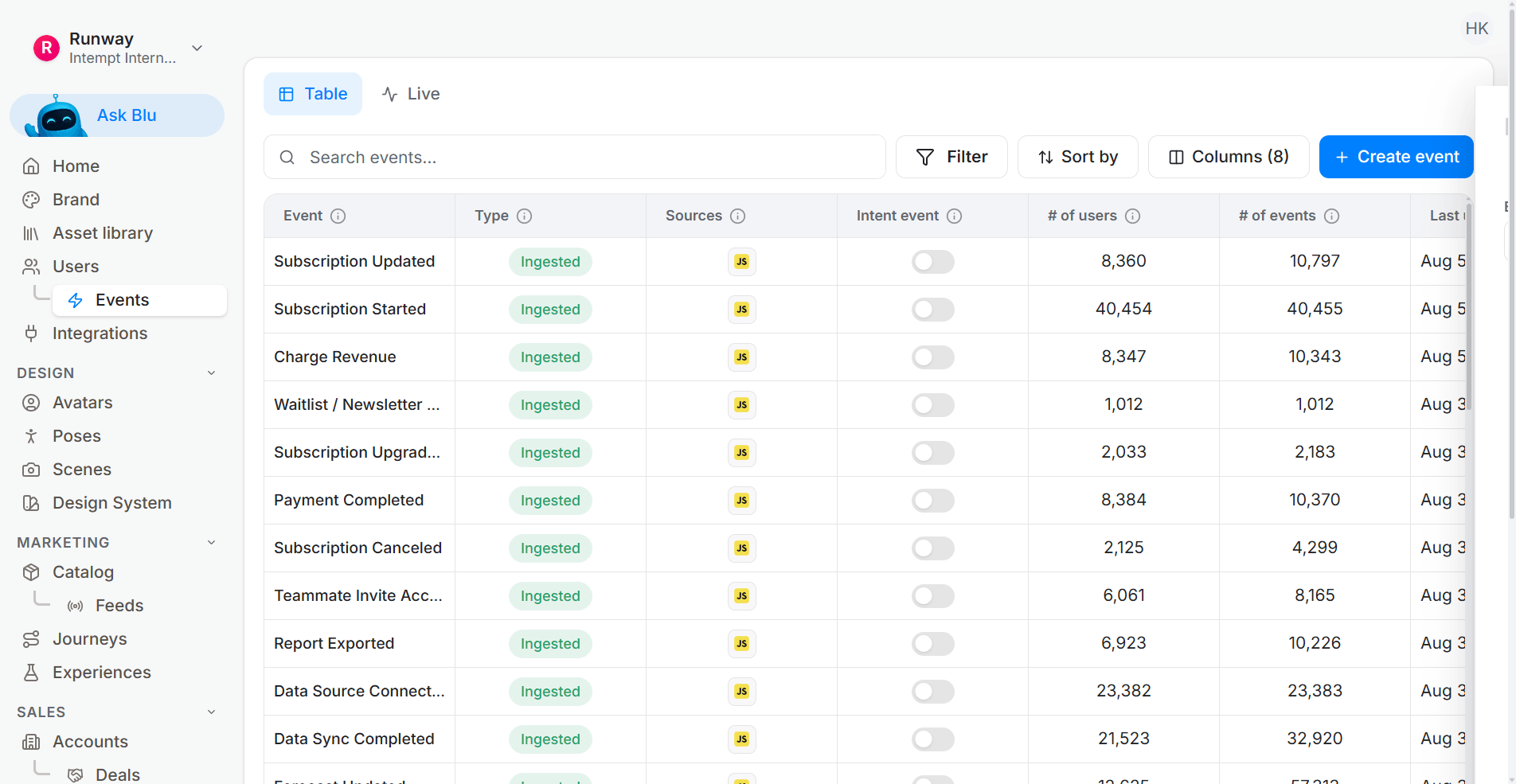
Since we need to track specific steps in the checkout process, we also need to create some custom events. To do this, go to Create Event for example "Reached payment page" and select the source: "ThreadLY shopify" then select the appropriate attribute "URL".
Good to know:
Ensure that you track the user's email attribute so you can send emails to them. This can be done by a newsletter signup popup or by incentivizing users to sign up before starting checkout.
Step 2: Create Behavioral Segments Based on Drop-Off Patterns
In Segments, build one audience per drop-off step, because that is the unit a recovery can actually address. For instance:
- Cart Abandoners. Users who added items to their cart but did not complete the purchase within 1 hour.
- Checkout Drop-offs. Users who initiated checkout but did not complete the purchase within 1 hour.
- Payment Incomplete. Users who placed draft order but did not complete the purchase within 1 hour.
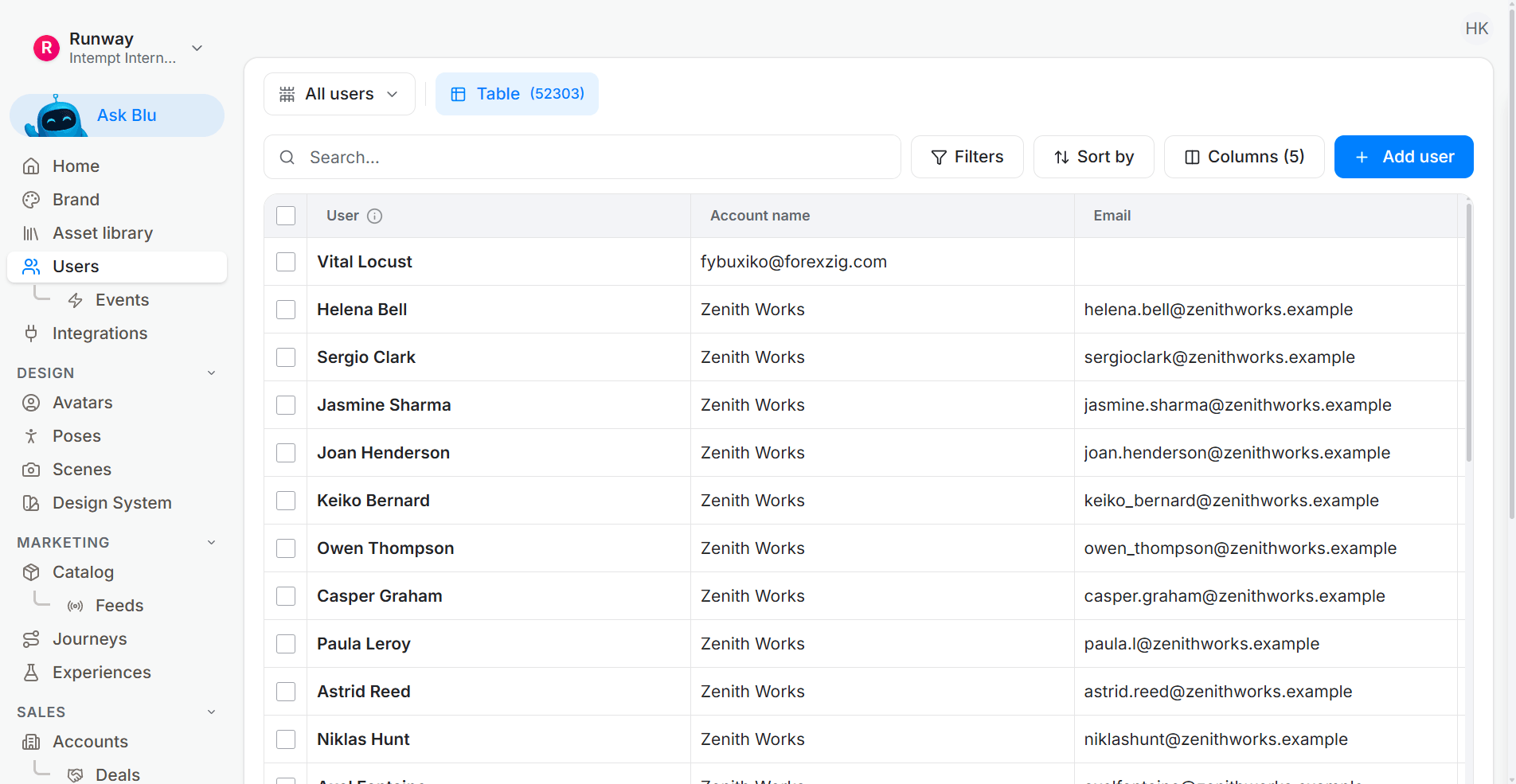
Step 3: Personalize Checkout Flow Using Experiences
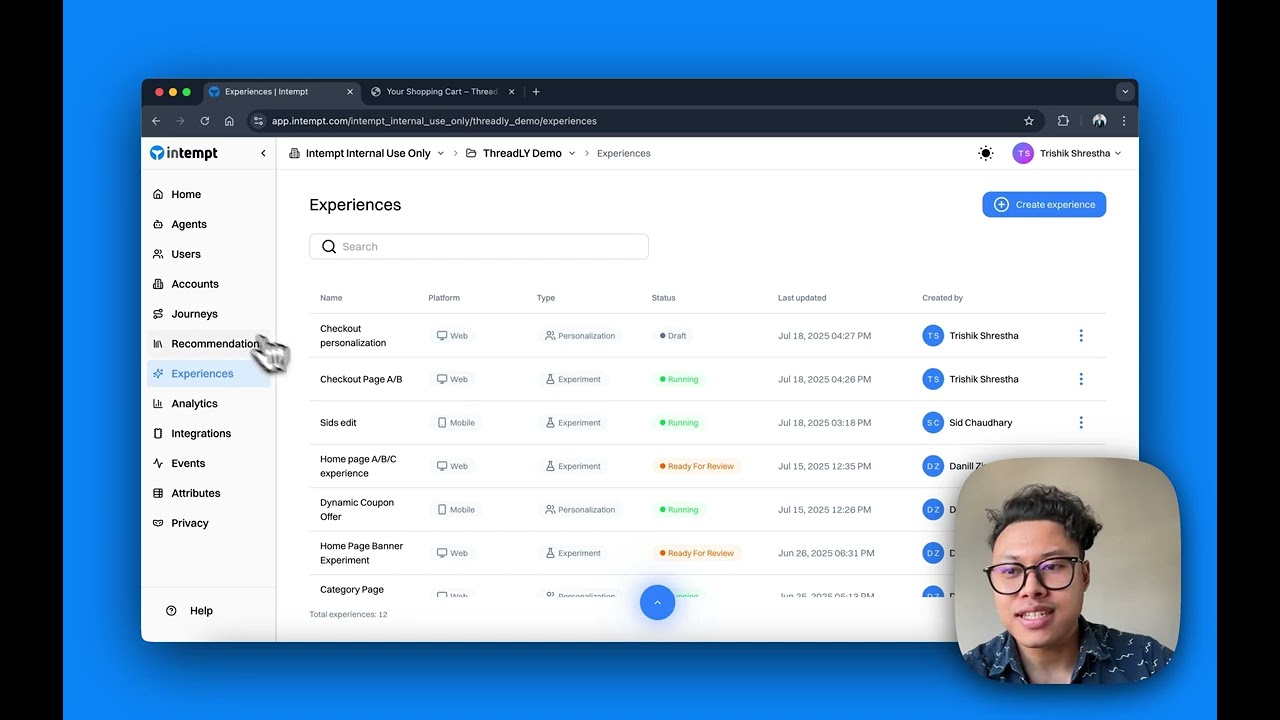
Navigate to the Experiences tab and in the experiment setting, run an A/B test for Single-page checkout (fast, minimal steps) and Multi-step checkout (guided, simpler layout per screen)
Go to New Experience
Click the toggle switch to the right for experiment
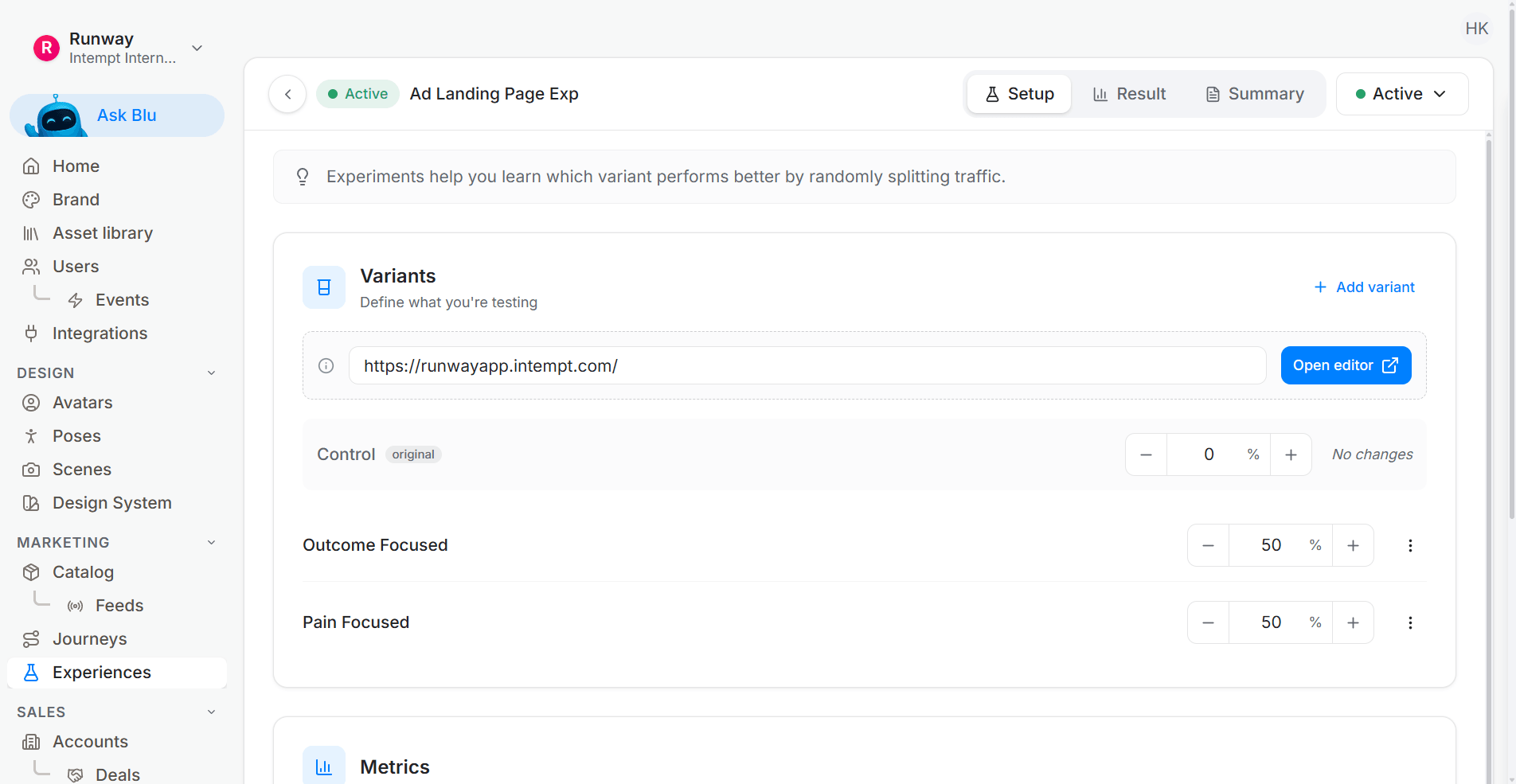
This will help determine which checkout style performs better with different audiences.
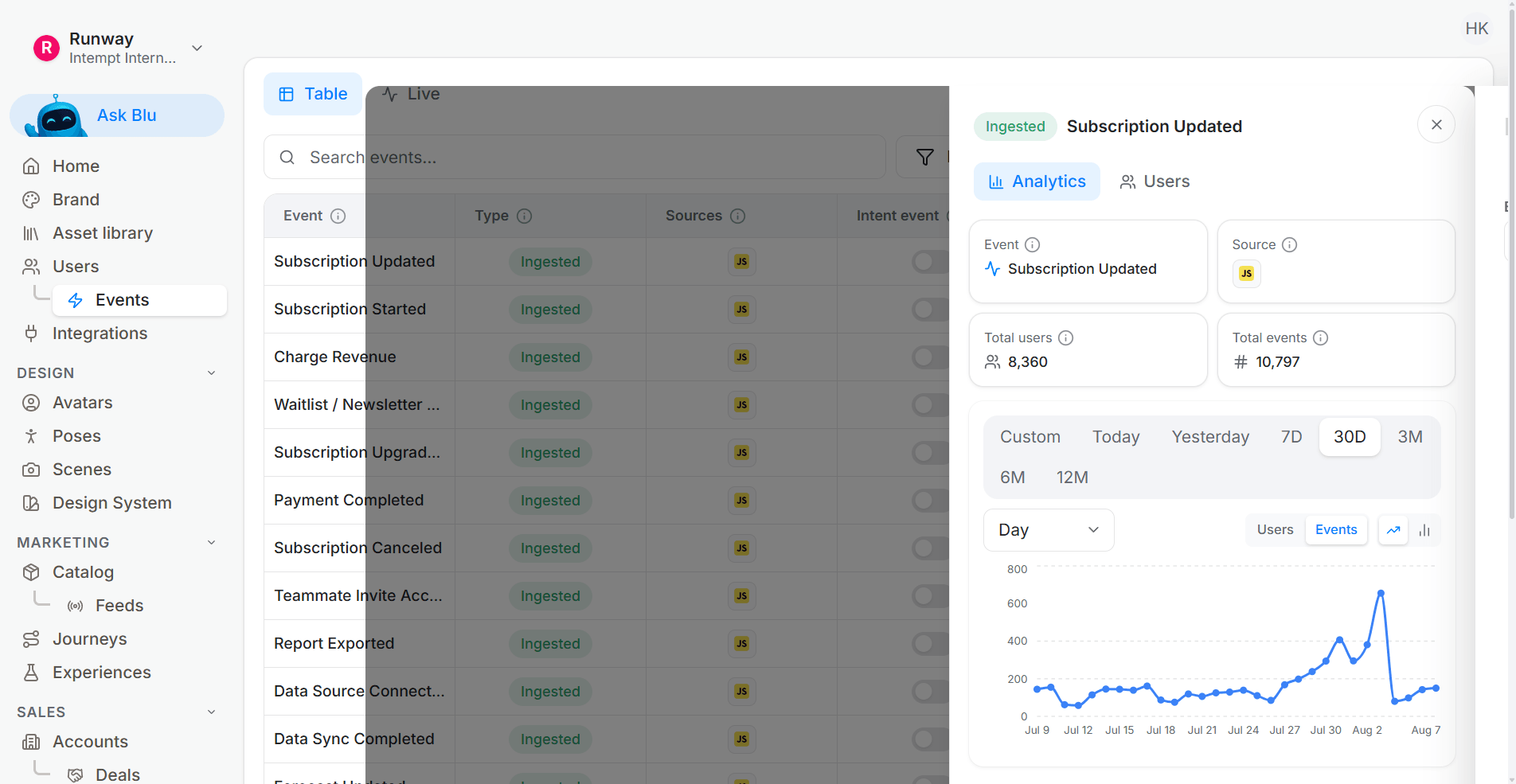
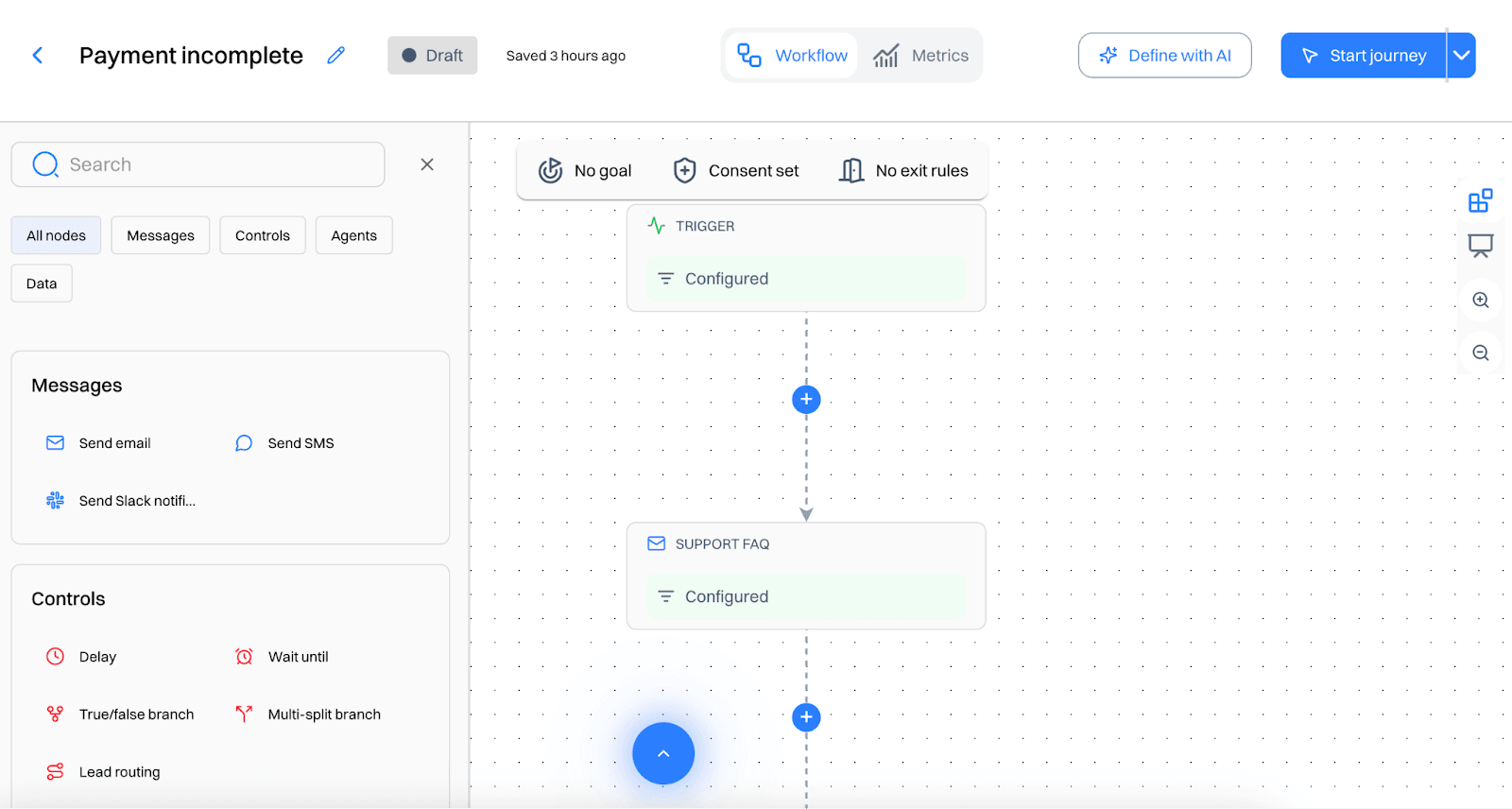
Step 4: Launch Recovery Journeys for Each Segment
Each segment should trigger a customized multi-step journey based on user behavior and friction point.
Create a new Journey named "Cart Abandoners".
Trigger: Cart Abandoners segment.
Email 1: Reminder - "You left something behind".
Email 2: Urgency nudge - "Popular items sell fast!".
Email 3: Incentive (free shipping or discount).
Branch condition:
Opened but didn't click → Send SMS.
Clicked but didn't convert → Show a timer urgency banner on site.
Create a Checkout Drop-off Journey.
Trigger: Checkout Drop-offs segment.
Email 1: Explain return policies / secure checkout.
Email 2: Educational content - "Still have questions?".
Email 3: Invite to live chat or support call.
Branch conditions:
Visited FAQ but didn't convert → Offer help via SMS.
Ignored email → Try retargeting ad with testimonial.
Create a Payment Incomplete Journey.
Trigger: Payment Incomplete segment.
Email 1: Nudge - "Ready to complete your purchase?".
Email 2: Saved cart link + social proof ("10,000+ shoppers love Threadly").
Email 3: Offer help - "Have questions before buying?".
Branch conditions:
Visited FAQ but didn't convert → Offer help via SMS.
Clicked saved cart but didn't convert → Trigger time-limited offer.
Step 5: Track & Optimize
Open your journey and monitor the following metrics- Entered: Users who qualified and entered journey, Messaged: How many received the message, In Progress: Users still progressing through steps, Completed: Finished full journey, Exited Early: Dropped out before completion, Converted: Took desired action (Ordered Product).
Test and iterate on timing, incentives vs. education, multi-step vs. single-page performance, and messaging channels like email, SMS, and push notifications.
Single-page vs. multi-step: how to decide
Neither layout wins by default. Which one converts better depends on the traffic and the cart, so decide with a test rather than a house preference.
- High mobile share favors single-page. Fewer page loads means fewer chances for a slow connection to drop the session mid-checkout.
- Complex carts favor multi-step. Multiple SKUs, size or color variants, and gift options are easier to review one screen at a time than scanning one long page for errors.
- Unfamiliar traffic needs a dedicated trust screen. First-time buyers look for security badges, return policy, and delivery estimates before entering a card. Multi-step can give that its own screen; single-page buries it below the form.
- Test against a segment, not the whole funnel. New and returning visitors respond to the two layouts differently, so a blended result usually just cancels out the real winner for each group.
Common mistakes in checkout drop-off recovery
The journeys above work only if the timing and targeting behind them hold up. A few mistakes show up often enough to check for directly.
- Recovery messages that arrive before the window closes. An email sent 20 minutes after cart abandonment can land while the shopper is still mid-checkout in another tab, which reads as pushy rather than helpful.
- No cross-channel exclusion. A user who completes the purchase in-store or on another device still gets the abandonment email if the segment isn't rechecked against a completed-order event before sending.
- Branch conditions with no fallback. A journey that only handles "opened" and "clicked" silently drops anyone who does neither, even though that group is often the largest.
- Changing the layout and the copy in the same test. If the single-page vs. multi-step experiment also ships new messaging, a lift in conversion can't be attributed to either change on its own.
See where it leaks
Shortening the form is the default answer and it only helps one of the drop-off patterns. Shipping-cost surprise, payment-method absence and account-creation friction all look identical in an aggregate funnel and need different fixes.
Segmenting by where a shopper stopped needs the funnel and the profile joined, which is what the agentic GTM software does before the recovery fires. The checkout friction report recipe isolates the step and the segment together, which is the pairing an aggregate funnel hides.
Checkout flow optimization works once each drop-off pattern is treated separately. Start with Intempt.